Domestic Sewage Treatment Plant | Modular Community Wastewater System

Product DESCRIPTION
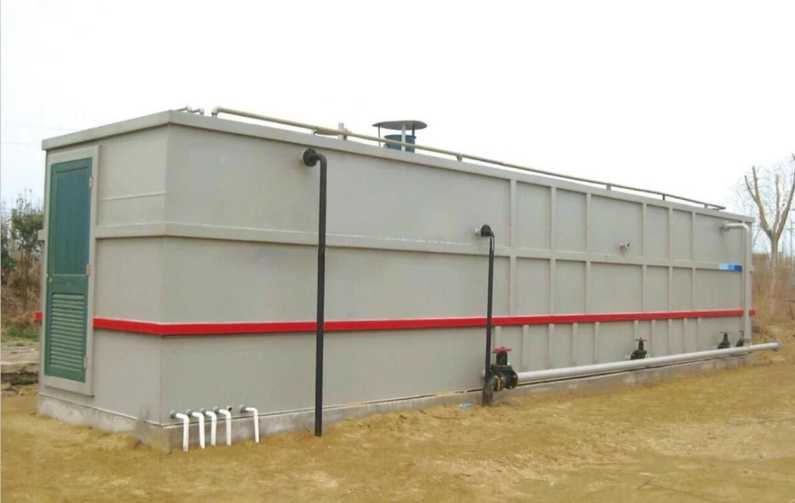
A decentralized domestic sewage treatment plant is an effective solution for residential communities, rural villages, and small municipalities without centralized sewer infrastructure.
Our modular sewage treatment plant combines sedimentation, biological treatment, clarification, and disinfection to achieve efficient removal of COD, BOD, and suspended solids. The system is scalable and energy-efficient, making it ideal for developing regions in Africa and expanding residential areas in the Middle East.
Across many African countries, wastewater treatment faces very specific challenges:
🔴 1. No Central Sewer Infrastructure
Many rural towns, worker camps, mining areas and eco-resorts are located far from municipal sewer networks. Wastewater must be treated onsite.
🔴 2. Unstable Electricity Supply
Frequent power interruptions can damage sensitive systems or stop biological treatment completely.
🔴 3. High Ambient Temperatures
In many regions, temperatures exceed 35–45°C, affecting biological stability and equipment lifespan.
🔴 4. Limited Skilled Operators
Most sites do not have professional wastewater engineers. Systems must be simple and easy to maintain.
🔴 5. Groundwater Contamination Risk
Improper septic tanks leak untreated sewage into soil, contaminating drinking water sources.
🔴 6. Budget Constraints
Projects often require cost-effective systems with low operational expenses.
2️⃣ Our Solution: Modular, Low-Maintenance Sewage Treatment Plant
We design robust, decentralized sewage treatment plants engineered specifically for African conditions:
✔ Simple operation
✔ Low energy consumption
✔ Resistant to high temperature
✔ Minimal operator intervention
✔ Modular expandable design
Capacity range: 5–1000 m³/day
Technology options: MBBR / SBR / MBR (based on discharge requirement)
Why This Process Works Well in Africa
| Challenge | Our Technical Solution |
|---|---|
| Power instability | Low energy blowers & optional solar support |
| High temperature | Heat-resistant biological design |
| Limited operators | Simple PLC control |
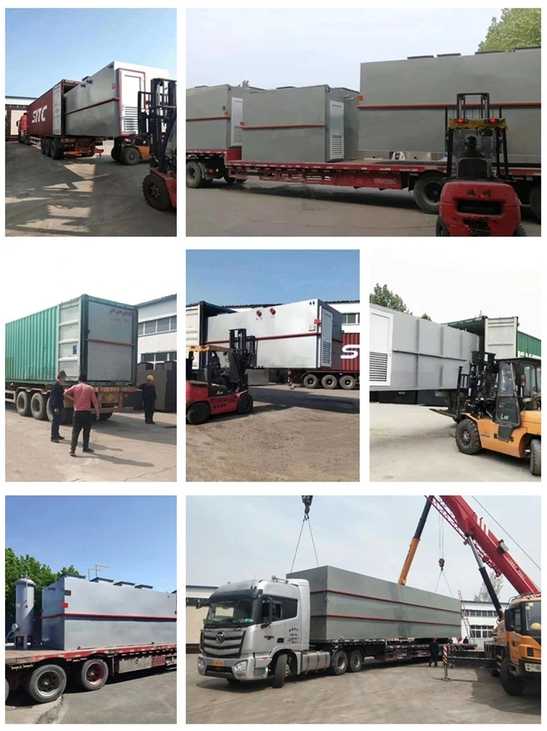
| Remote locations | Containerized transport |
| Budget limits | MBBR cost-effective configuration |
Product Benefit
-
Improves public sanitation
-
Protects groundwater resources
-
Low power consumption
-
Easy installation
-
Expandable modular design

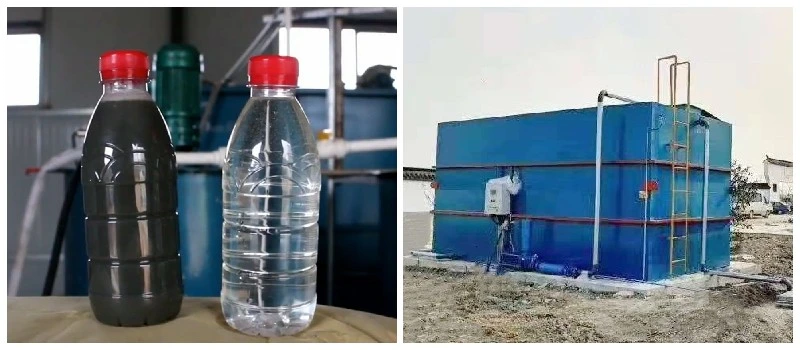
Product Feature
-
Plug-and-play modular structure
-
Optional solar-powered configuration
-
Durable anti-corrosion materials
-
Automatic control system
-
Long service life
-
Domestic Sewage Treatment Process
Screening
→ Septic Tank
→ SBR / MBBR Biological Reactor
→ Secondary Clarification
→ Disinfection
→ Safe Discharge or Irrigation Reuse - Below is a typical process configuration optimized for African domestic sewage:
- Step 1: Mechanical Screening
Function:Removes large solids such as plastic, cloth, food waste, and debris.Why It Is Important in Africa:Many decentralized areas lack proper solid waste separation. Sewage often contains high levels of debris.Key Features:
Stainless steel or anti-corrosion material
Manual or automatic cleaning
Prevents pump blockage
Protects downstream equipment
Step 2: Equalization Tank
Function:Balances flow and pollutant concentration fluctuations.
Why It Is Critical:
In worker camps or communities, wastewater flow varies greatly between day and night. Equalization stabilizes the system.
Key Features:
Air mixing to prevent sedimentation
Reduces shock load to biological system
Ensures stable COD/BOD input
Result: Improved biological efficiency and longer system lifespan.
Step 3: Biological Treatment (Core Treatment Stage)
This is the heart of the sewage treatment plant.
We typically use:
Option A: MBBR (Moving Bed Biofilm Reactor) – Recommended for Africa
How It Works:Plastic biofilm carriers float in the aeration tank. Microorganisms grow on the surface and degrade organic pollutants.
Key Advantages for Africa:
✔ Low sludge production
✔ Resistant to shock loads
✔ Simple operation
✔ No complex membrane cleaning
✔ Long service lifePollutants Removed:
BOD (Biochemical Oxygen Demand)
COD (Chemical Oxygen Demand)
Ammonia Nitrogen
Removal Efficiency:
BOD > 90%
COD > 85–90%
Option B: SBR (Sequencing Batch Reactor) – Budget-Friendly Option
How It Works:Biological treatment occurs in timed cycles: fill → aerate → settle → discharge.
Advantages:
✔ Lower initial investment
✔ Compact footprint
✔ Flexible operationSuitable for small communities or projects with limited budgets.
Option C: MBR (Membrane Bioreactor) – High Discharge Standard
How It Works:Combines biological treatment with membrane filtration.
Advantages:
✔ Produces high-quality effluent
✔ Suitable for water reuse
✔ TSS < 10 mg/LRecommended for projects requiring irrigation reuse.
Step 4: Secondary Sedimentation
Function:Separates biological sludge from treated water.
Why Important:
Ensures clear effluent before discharge.
Features:
Gravity settling
Sludge recirculation system
Stable and simple design
Step 5: Filtration (Optional Polishing)
Purpose:Removes remaining suspended solids and fine particles.
Options:
Sand filter
Multimedia filter
Cartridge filter
Used when higher discharge standards are required.
Step 6: Disinfection
Function:Kills pathogenic bacteria and viruses.
Options:
Chlorine dosing
UV disinfection
Critical for:
Protecting public health
Preventing disease transmission
Water reuse applications
Step 7: Sludge Handling
Why It Matters:Even efficient systems produce sludge.
Solution:
Sludge drying bed
Sludge thickener
Optional dewatering unit
Designed to minimize disposal cost.

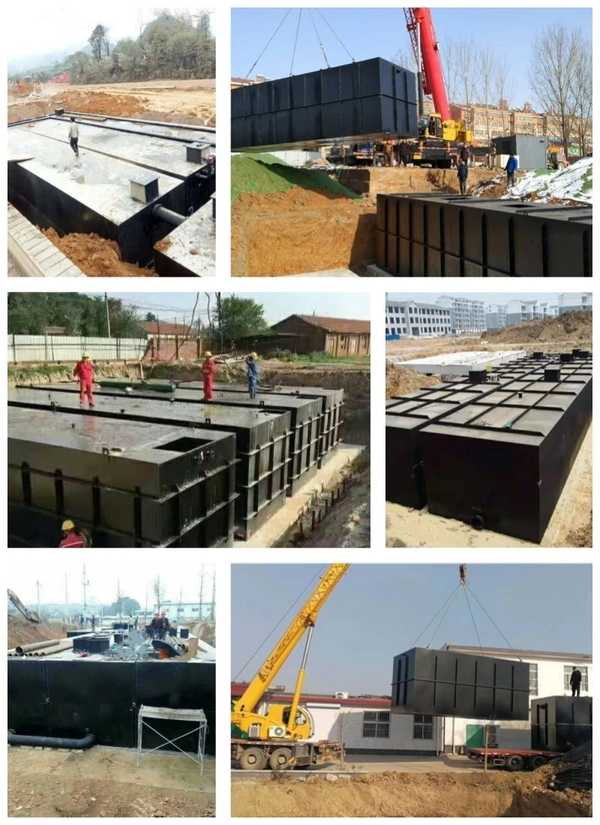
Product Application
-
Residential communities
-
Rural villages
-
Worker camps
-
Housing developments
-
Small municipal projects

-
Get a Customized Sewage Treatment Design for Your Project
To receive a detailed proposal, please provide:
-
Daily wastewater volume (m³/day)
-
Wastewater source (community, camp, etc.)
-
Discharge requirement
-
Project location
-
Electricity availability
Our engineering team will respond within 24 hours. Contact us with any questions at [email protected].
-