Hotel Sewage Treatment Plant | Compact Wastewater Treatment for Resorts


Product DESCRIPTION
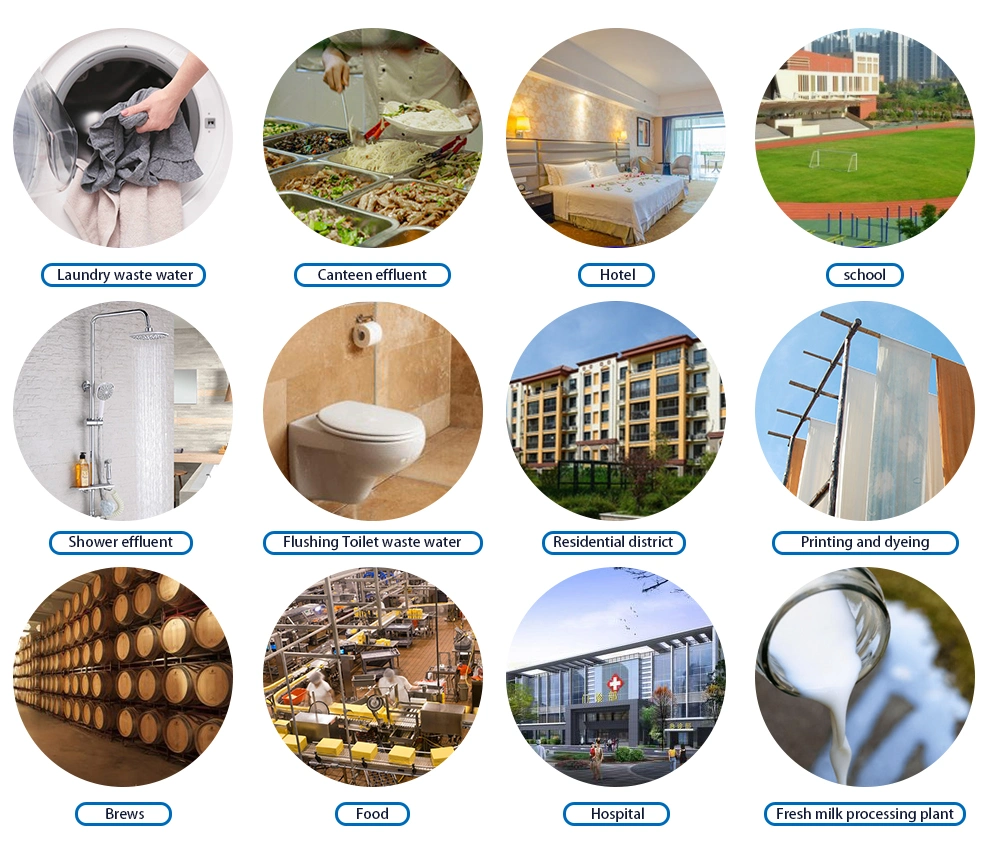
Hotels and resorts generate wastewater from guest rooms, kitchens, laundry, and recreational facilities. A reliable hotel sewage treatment plant is essential to maintain environmental compliance and ensure sustainable tourism development.
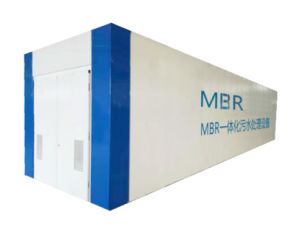
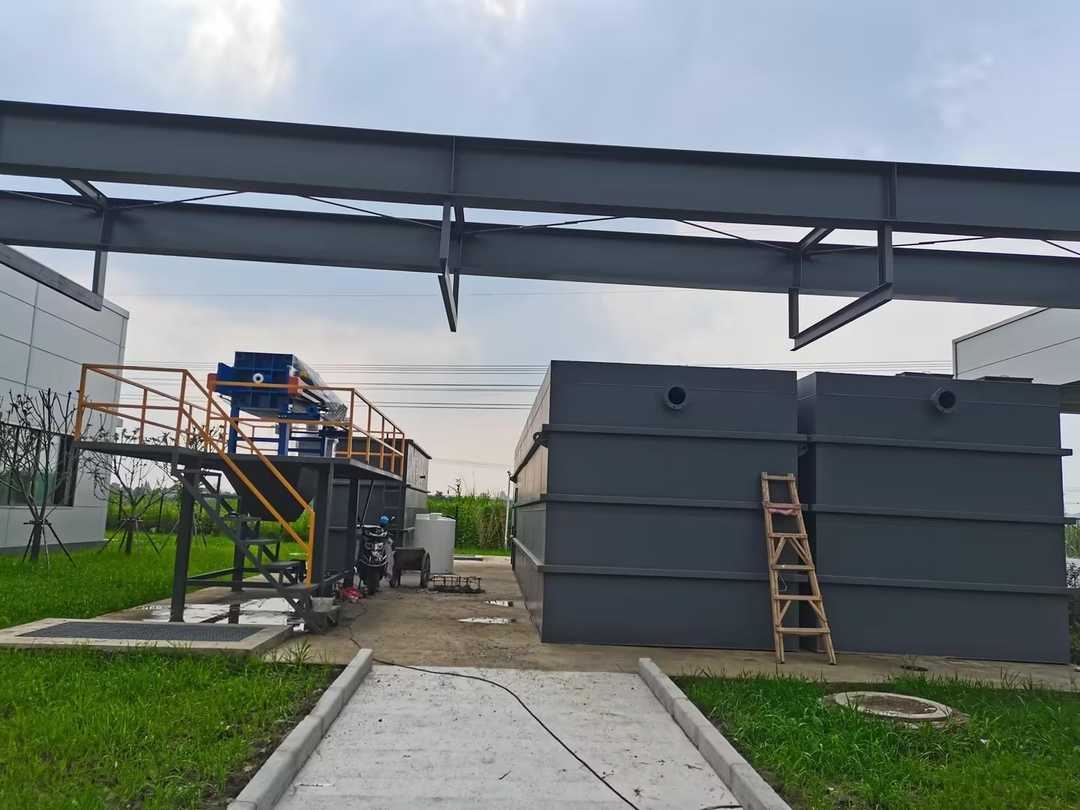
Our compact sewage treatment plant for hotels uses advanced biological treatment technologies such as MBBR or SBR to remove organic pollutants and suspended solids efficiently. The treated water can be reused for landscape irrigation, reducing freshwater consumption.
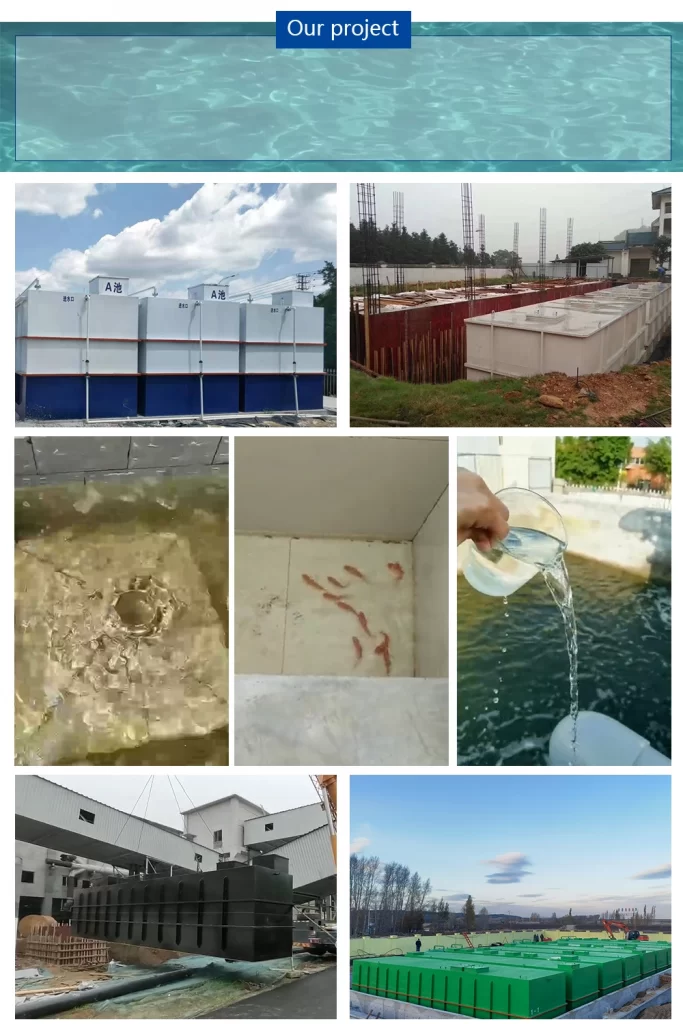
This hospitality wastewater treatment solution is widely applied in beach resorts, desert resorts, and commercial complexes in Africa and the Middle East.
Why Hotels Need a Professional Sewage Treatment System
Buyer Problems:
“How to treat hotel wastewater to meet discharge standards?”
“Can treated hotel water be reused?”
“Affordable sewage plant for resorts”
“Modular wastewater solutions for seasonal occupancy”
“Low odor wastewater system for tourism areas”
Traditional septic tanks are not designed for high organic loads and complex hotel wastewater. They often cause:
❌ Odor issues
❌ Groundwater pollution
❌ Inconsistent effluent
❌ Regulatory penalties
Our hotel sewage treatment plant solves these concerns with a clear process and dependable performance.
Product Benefit
-
Low operational cost
-
Quiet and odor-controlled operation
-
Compact installation footprint
-
Stable effluent quality
-
Supports water reuse
Product Feature
-
Modular design
-
Underground installation option
-
Energy-efficient aeration system
-
Automatic control system
-
Easy maintenance
-
Hotel Sewage Treatment Process:
Screening
→ Equalization Tank
→ MBBR / SBR Biological Treatment
→ Secondary Settling
→ Disinfection
→ Reuse or Discharge - Step-by-Step Treatment Process (With Purpose & Benefits)
Step 1 – Pre-Screening (Mechanical Bar Screen)Purpose: Remove large solids, plastics, cloth fibers, paper and debris.
Why It Matters:
Hotels produce diverse waste such as paper from restrooms, packaging, kitchen waste, and debris that can easily clog pumps.Benefit:
✔ Protects downstream equipment
✔ Reduces maintenance
✔ Lowers operational costStep 2 – Equalization Tank
Purpose:
Balances wastewater flow and concentration.Explanation:
Hotel water usage fluctuates — breakfast, lunch, dinner peaks — causing variable flow and pollutant load. Equalization stabilizes influent for the biological stage.Benefit:
✔ Reduces shock load impact on biological units
✔ Improves overall removal efficiency
✔ Extends system lifeStep 3 – Biological Reactor (Core Treatment)
We use advanced biological methods that rely on microbial digestion to break down organic pollutants.
MBBR – Best for Hotels (Recommended)
How MBBR Works:
Biofilm carriers float in the aeration tank, allowing microorganisms to attach and degrade organic matter.Advantages:
✔ High removal of BOD & COD
✔ Excellent performance with fluctuating flow
✔ Low sludge generation
✔ Simple operationTypical Efficiency:
BOD reduction > 90%
COD reduction > 85%SBR (Optional Economic Choice)
How SBR Works:
Operates in timed cycles: fill → aerate → settle → discharge.Advantages:
✔ Compact footprint
✔ Lower investment cost
✔ Flexible for small and medium hotelsStep 4 – Secondary Clarification
Purpose:
Separate biomass and suspended solids.Why Required:
To ensure clear effluent before reuse or discharge.Benefit:
✔ Reduces solids carry-over
✔ Improves final discharge qualityStep 5 – Polishing Filtration (Optional)
Purpose:
Further remove fine particles and turbidity.When Needed:
For discharge to surface water or reuse applications.Benefit:
✔ Higher clarity
✔ Better pathogen removal supportStep 6 – Disinfection
Function:
Eliminates pathogenic bacteria and viruses using:✔ UV disinfection (chemical-free)
✔ Chlorination (cost-effective)Benefit:
✔ Protects human health
✔ Meets public health standardsStep 7 – Sludge Management
Sludge Handling Includes:
✔ Sludge drying beds
✔ Dewatering optionsBenefit:
✔ Lowers disposal cost
✔ Simple operation 
Product Application
-
Luxury hotels
-
Beach resorts
-
Desert camps
-
Tourist villages
-
Commercial complexes