Advanced Filtration Stages: How Does It Ensure Water Safety for Industrial Use?
I often get asked if the water from a borehole is safe to use after just one filter. My answer is always a loud “No.” I believe in a multi-stage approach because groundwater at remote sites is full of surprises like sand, salt, and bacteria.
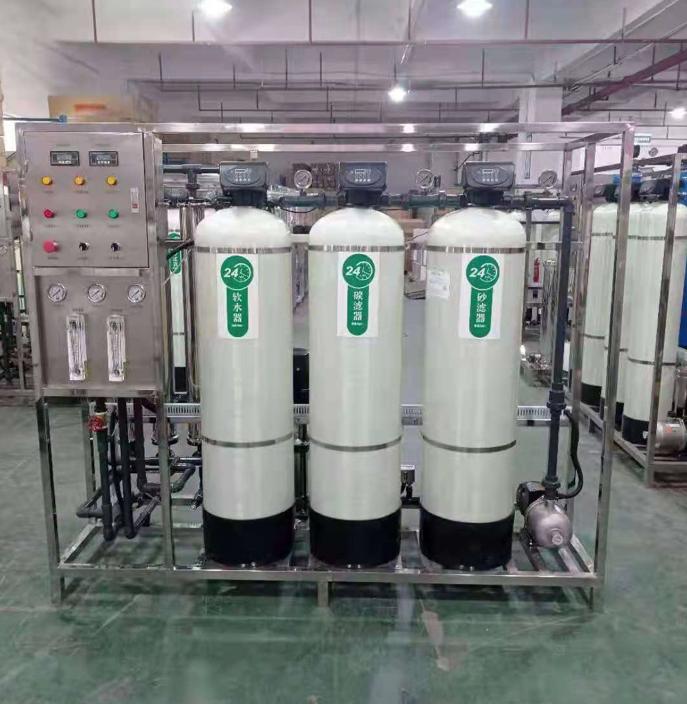
Advanced filtration in a 1000LPH RO plant involves a multi-step process including sand filters, carbon filters, and Thin Film Composite (TFC) membranes. This system effectively removes suspended solids, chlorine, and up to 99.5% of dissolved salts, ensuring the water is safe for both human consumption and industrial machinery.
I treat every drop of water like it is going to be used by my own family. For a drilling site, the water needs to be clean for two reasons. First, your crew needs to stay healthy. Second, your expensive drilling tools need to stay free from scale and rust. I use a specific sequence of filters to achieve this.
The Power of Pre-Filtration
I start with a quartz sand filter. This is the first line of defense. It catches the big stuff like dirt and silt. If I didn’t use this, the main RO membranes would clog up in one day. After the sand, I use an activated carbon filter. I love this part because it takes out bad smells and chemicals like chlorine.
Then comes the real magic: the RO membrane. I use high-rejection TFC membranes. These are very thin, but they are very strong. They act like a tiny screen that only lets water molecules through. Everything else, like salt and heavy metals, is washed away.
Protecting Your Equipment and Your People
I have seen drilling mud recipes fail because the water was too salty. When I provide you with clean water, your chemical mixes work better. This means your drill bits stay cool and your boreholes stay stable. It’s not just about drinking; it’s about the science of drilling.
| Filter Stage |
What it Removes |
Importance Level |
| Sand Filter |
Silt, mud, and sand particles. |
High (Protects membranes) |
| Carbon Filter |
Chlorine, odors, and organic colors. |
Medium (Improves taste) |
| RO Membrane |
99% of TDS (Total Dissolved Solids). |
Critical (Makes water pure) |
| UV Sterilizer |
99.9% of bacteria and viruses. |
Essential (For drinking safety) |
I also include something called a Chemical-In-Place (CIP) system. I think this is vital for remote sites. Over time, the membranes get a bit of “gunk” on them. Instead of taking the whole machine apart, you just run a cleaning solution through it. I designed it this way so your local workers can maintain it without needing a PhD in engineering.
I also want to mention brine management. The “waste” water from the RO process is actually very salty. I recommend my clients use this brine for dust control on the access roads around the rig. This is a smart way to use every part of what the machine produces. I like to help you find ways to be more efficient.