What common challenges might I face when implementing a water reuse system in my factory?
In our experience exporting to Africa and Southeast Asia, we see clients struggle with maintenance. Complex systems can fail without proper support, leading to costly downtime if your team isn’t prepared to manage the technology.
Common challenges include membrane fouling due to variable wastewater quality, high initial capital investment, and the need for skilled operators. Furthermore, navigating complex regulatory permitting processes and managing internal staff perceptions regarding the safety of recycled water can pose significant hurdles during implementation.
The Challenge of Membrane Fouling
The number one technical headache in food and beverage water reuse is fouling. Food wastewater is “rich”—it is full of proteins, fats, sugars, and biological matter. These substances love to stick to filtration membranes.
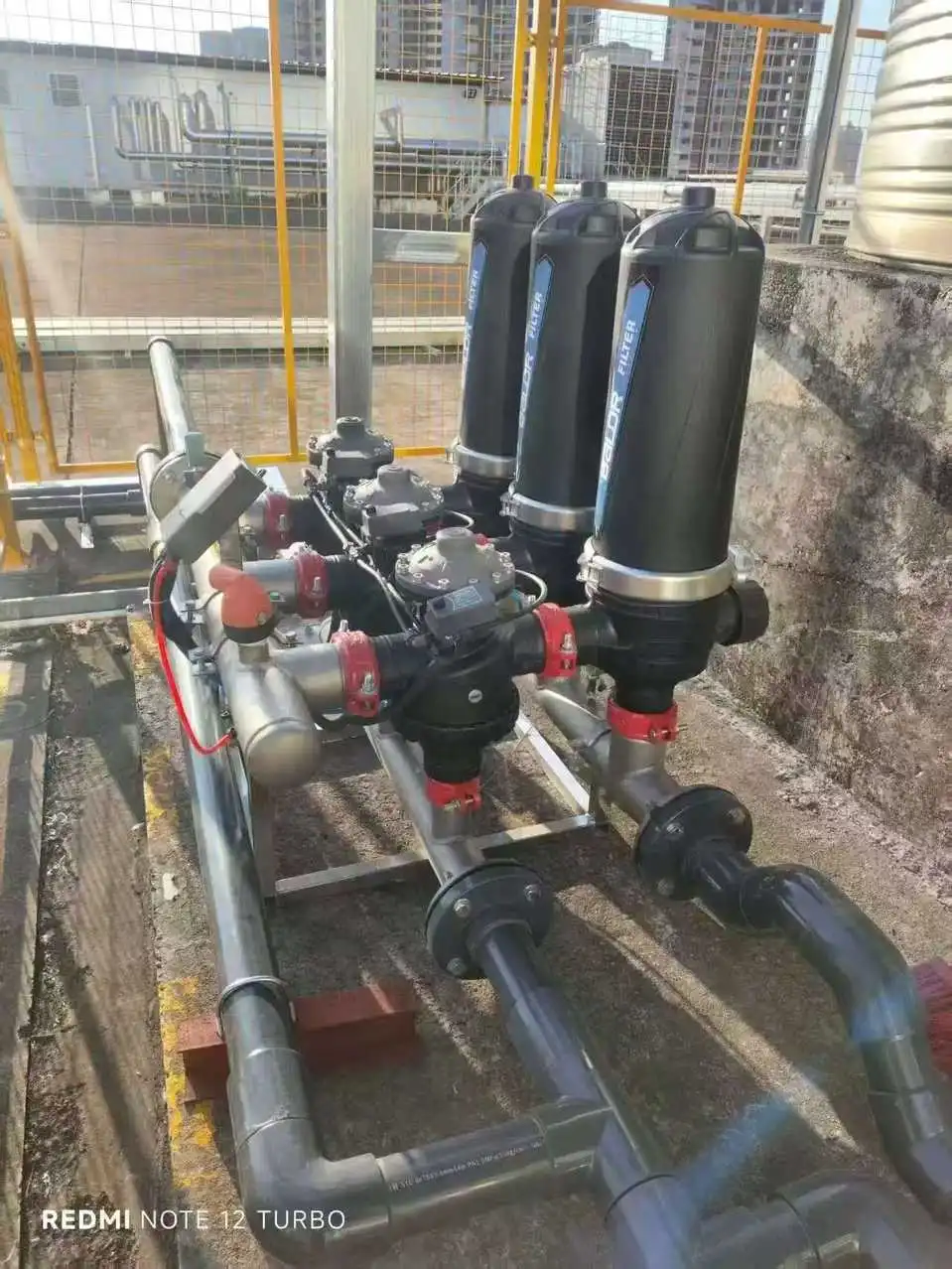
If you pump oily water directly into a Reverse Osmosis system, you will destroy the membranes in days. This is why Pre-treatment is the most expensive and important part of the system.
Fat/Oil Removal: We often have to install Dissolved Air Flotation (DAF) units to skim off grease before it hits the filters.
Biological Fouling: Bacteria grow fast in nutrient-rich water. We use biocides and regular CIP (Clean-In-Place) cycles to keep membranes clean.
We advise our clients: do not skimp on the pre-treatment. Saving money there will cost you double in membrane replacements later.
Operational Skill Gaps
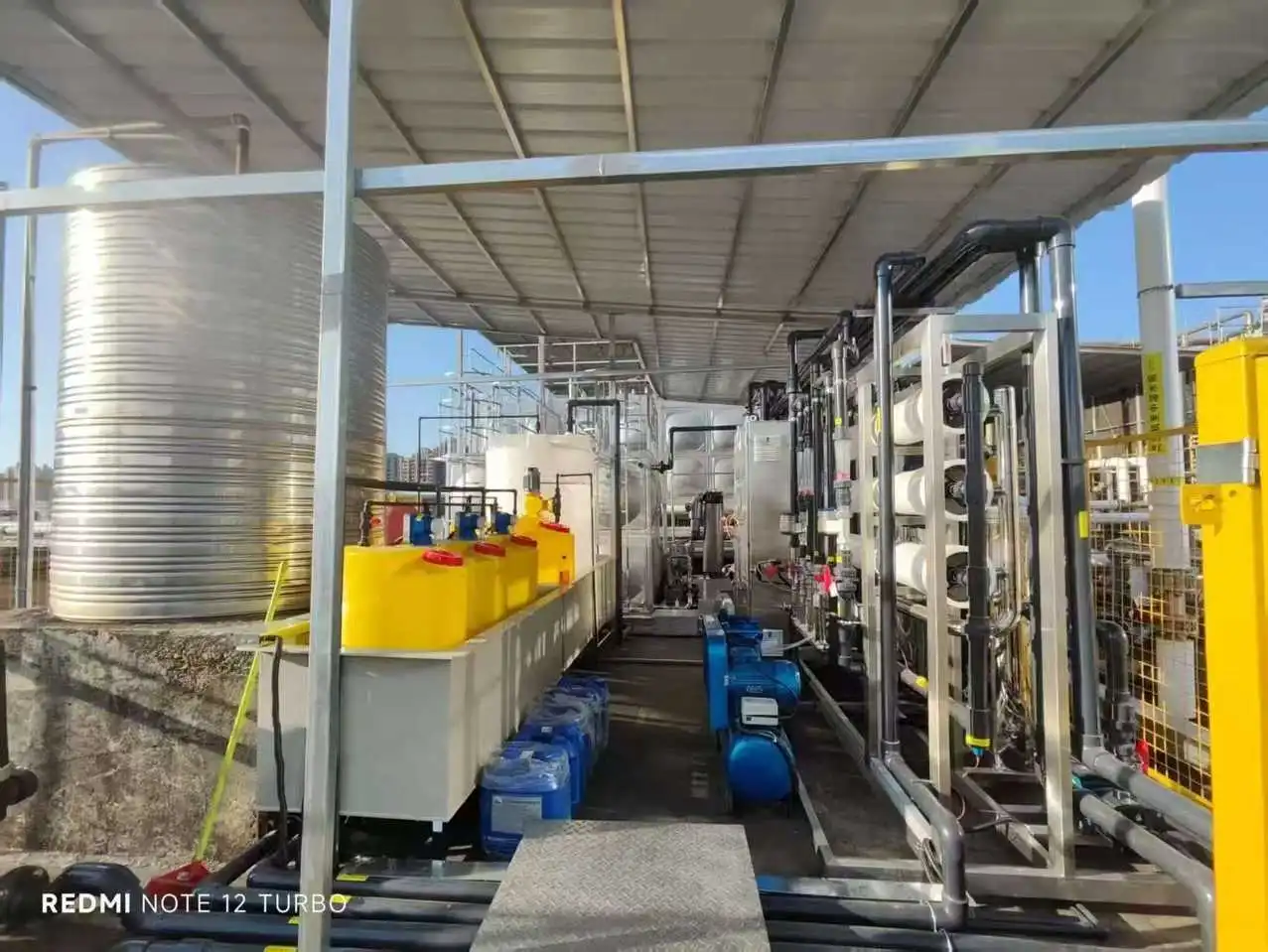
A water reuse system is a mini chemical plant. It is not a “set and forget” appliance like a refrigerator. We often find that factory owners in regions like Kenya or Vietnam buy the equipment but lack the skilled engineers to run it.
If the pH balance is off, or the dosing pump runs dry, the system fails.
Our Solution:We focus heavily on training. When we commission a system, we train your local operators on daily maintenance, reading the gauges, and basic troubleshooting. We also provide remote support via WhatsApp or video call—something our clients like John find invaluable when a red light starts flashing on the panel.
Economic and ROI Hurdles
While the long-term savings are clear, the upfront cost is high. For a small to medium-sized enterprise (SME), finding the cash flow for a $50,000 or $100,000 system is difficult.
Hidden Costs: It’s not just the machine. You need piping, civil works (concrete tanks), and electrical upgrades.
ROI Timeline: Depending on local water prices, the payback period can range from 18 months to 5 years.
We help clients overcome this by calculating a detailed ROI analysis they can present to their banks or investors. We show exactly how the reduction in discharge fees and freshwater purchases pays for the lease or loan of the equipment.
Managing Perception and “The Yuck Factor”
Even if the water is technically cleaner than tap water, people can be squeamish about “recycled sewage.” This is often called the “yuck factor.”
Internal Staff: Your workers might be afraid to use the water for washing down equipment.
Consumers: If word gets out you are using recycled water, consumers might misunderstand and think it is going into the food.
Transparency is key. We recommend labeling the water clearly (e.g., “Industrial Process Water”) and educating your staff that this water is treated to a standard higher than river water. Never use recycled water for direct product contact (like an ingredient) unless you have a highly advanced, certified potable reuse system—which is rare and expensive. Stick to non-contact uses to minimize risk and perception issues.
Water reuse systems save money and secure your future. Contact us today to analyze your water quality and design a custom solution for your factory.