Как правильная предварительная обработка удваивает срок службы ваших мембран обратного осмоса?
Вы тратите свою с трудом заработанную прибыль, заменяя мембраны обратного осмоса каждые несколько месяцев? Высокая минеральная твердость и отсутствие химического баланса вызывают быстрое образование накипи, снижая эффективность вашей системы и резко увеличивая эксплуатационные расходы.
Правильная предварительная обработка удваивает срок службы мембраны обратного осмоса за счет удаления твердых накипи и остановки биологического роста до того, как они коснутся поверхности мембраны. Использование умягчителей воды или дозирование антинакипинов предотвращает образование минеральных отложений, обеспечивая бесперебойную работу вашей системы в течение многих лет.
Химия минеральных отложений
Когда вода проходит через мембрану обратного осмоса, чистая вода просачивается через поры, оставляя минералы в виде концентрированного потока. Если в вашей колодезной воде много кальция и магния, эти минералы становятся перенасыщенными. Они связываются вместе и образуют твердые кристаллы чешуи, такие как карбонат и сульфат кальция.
Этот слой накипи действует как цементная стена на поверхности мембраны. Это заставляет ваш насос высокого давления работать в два раза интенсивнее, чтобы прокачивать воду, что приводит к потере огромного количества электроэнергии и сжиганию вашего двигателя.
Предотвращение образования накипи с помощью дозирования смягчающего средства или антискаланта.
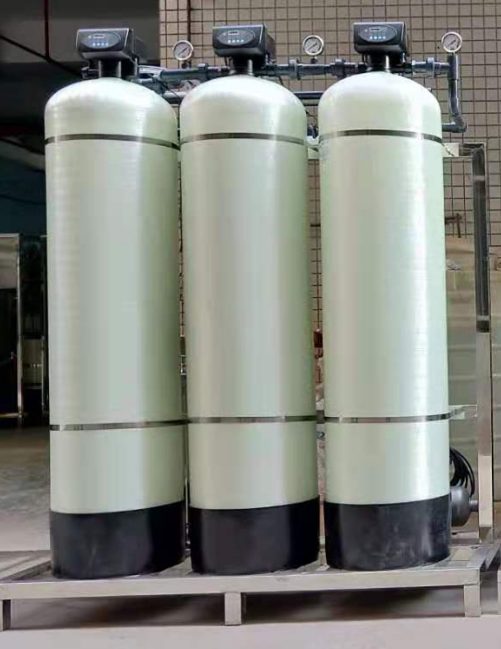
У вас есть два основных варианта борьбы с масштабом. Для небольших систем лучше всего подойдет традиционный смягчитель воды. В нем используется ионообменная смола натрия для замены твердых ионов кальция и магния на мягкие ионы натрия.
Для более крупных коммерческих и промышленных систем установка дозирующего насоса антинакипина более экономична. Эта система впрыскивает специализированный жидкий химикат в линию подачи с точными дозами в частях на миллион. Антинакипин препятствует росту кристаллов, удерживая минералы в растворенном состоянии, поэтому они безопасно вымываются со сточными водами.
Сравнение стратегий управления масштабом
| Диапазон мощности системы |
Предпочтительный метод |
Основное преимущество |
Основные эксплуатационные расходы |
| Менее 2000 литров в час |
Средство для смягчения воды |
Полное удаление ионов жесткости |
Соляные гранулы для рассола |
| Более 2000 литров в час |
Дозирование антискаланта |
Небольшая занимаемая площадь, непрерывная работа |
Жидкий химикат против накипи |
Остановка биообрастания и микробов
Глубокие колодцы могут содержать бактерии, восстанавливающие железо, колиформы и органическую слизь. Если эти живые организмы оседают на мембране обратного осмоса, они быстро размножаются, образуя толстую биопленку. Это биообрастание невероятно сложно очистить.
Чтобы предотвратить это, вы можете интегрировать надежную петлю ультрафильтрации (УФ) в качестве барьера предварительной обработки. Мембрана УФ действует как физический блок против микробных патогенов и коллоидных мутей. Вы также можете установить систему ультрафиолетовой (УФ) дезинфекции, но обязательно размещайте ее после угольных фильтров, чтобы вода была совершенно прозрачной, когда через нее проходит свет.
Лучшие практики обслуживания системы
- Регулярно проверяйте качество сырой колодезной воды, поскольку состав подземных вод меняется в зависимости от проливных дождей и сезонных изменений.
- Заменяйте предварительные фильтры с осадочным картриджем каждые 6–12 месяцев без исключения.
- Контролируйте давление подачи насоса высокого давления, чтобы предотвратить засорение до того, как произойдет необратимое повреждение мембраны.
- Поддерживайте строгий гидравлический порядок, чтобы удаление крупных частиц всегда происходило перед тонкой полировкой.