4 de noviembre de 2026     Publicado por :

I see hospital engineers struggle every day with dangerous water bugs like Legionella that put fragile patients at serious risk. Traditional chlorine often fails to protect long distribution pipes and leaves behind harsh chemical byproducts.


UV and ozone improve hospital water quality by destroying microbial genetic material and oxidizing organic contaminants without toxic chemical residues. Working as complementary barriers within an engineered water treatment system, they target chlorine-resistant pathogens, reduce biofilms in storage loops, and protect critical clinical water supplies.


I want to share my personal engineering experience with you so you can choose the right disinfection system for your facility. Let us look closely at how these two technologies work inside medical buildings.

Why Choose UV & Ozone Disinfection for Hospital and Healthcare Water Systems?

I know the heavy pressure you carry when hospital leaders expect zero waterborne infections in their clinical wards. Standard chemical dosing often falls short, and you face severe audit penalties if water tests fail.


UV and ozone disinfection systems improve healthcare water safety by providing non-chemical microbial barriers that destroy bacteria, viruses, and cysts. UV light neutralizes active pathogens at specific flow points, while dissolved ozone sanitizes storage tanks and oxidizes chemical pollutants without creating toxic chlorinated byproducts.


I often speak with facility engineers like Michael in Kenya who run critical hospital utilities. When we talk on WhatsApp about his hospital water, his main worry is always patient safety. He sees opportunistic water bacteria like Legionella pneumophila y Pseudomonas aeruginosa show up in hospital plumbing tests. These bacteria pose a deadly threat to patients with weak immune systems. When I design water systems at ROAGUA, I tell my clients that traditional chlorine dosing brings big headaches. Chlorine creates harmful disinfection byproducts like trihalomethanes. These chemicals can harm vulnerable patients and damage sensitive medical tools.


Core Differences Between UV Light and Ozone Gas

I always explain to my engineering friends that UV light and ozone gas attack microbes through completely different physical paths. Ultraviolet disinfection works as a physical process. We use low-pressure or medium-pressure mercury lamps that emit germicidal light at 254 nanometers. This specific light wavelength passes through the water and penetrates the cell walls of microorganisms. The light breaks the bonds in their DNA and RNA chains. Once their genetic code breaks, the bacteria cannot reproduce or cause infections.


Ozone works in a different way. Ozone is an unstable gas made of three oxygen atoms. When we inject dissolved ozone gas into water, it acts as a very strong chemical oxidizer. Ozone attacks the outer cell walls and lipid membranes of bacteria and viruses directly. It rips the cell open and kills the microbe within seconds. Ozone acts much faster than chlorine, and it breaks down into pure oxygen without leaving chemical smells or bad tastes in the water stream.


Disinfection Parameter Ultraviolet (UV) Irradiation Dissolved Ozone (O3​) Oxidation
Primary Mechanism Germicidal light at 254 nm breaks DNA/RNA structures Strong molecular oxidation destroys outer cell membranes
Chemical Footprint Zero chemicals added; no taste or odor changes Decomposes back to oxygen; leaves no persistent chemicals
Protección residual No downstream residual; treats water only inside chamber Rapid decay; no long-term pipe network residual
Reaction Speed Instantaneous exposure during hydraulic retention time Extremely fast biocidal contact time (CT value)
Target Pathogens Bacteria, viruses, Cryptosporidium, and Giardia cysts Bacteria, viruses, mold spores, and organic compounds
Equipment Needs Quartz sleeves, germicidal lamps, and electronic ballasts Oxygen feed unit, corona discharge cell, and venturi injector

Managing Pipe Biofilm and Distribution Limits

I must point out an honest limitation that many equipment salesmen hide from hospital managers. Neither UV nor ozone provides a persistent, lasting chemical residual that stays in the hospital water pipes for days. Once the water leaves a UV disinfection chamber, new bacteria can enter the pipe downstream and grow again. CDC guidelines state clearly that UV provides no downstream residual protection.


Dissolved ozone does something that UV cannot do: it washes through storage tanks and recirculating distribution loops to strip away sticky biofilms. In older hospital pipe systems, bacteria form thick layers called biofilms on the inner pipe walls. UV light cannot reach inside those remote pipes. Dissolved ozone attacks the extracellular matrix of the biofilm and removes the hiding spots for Legionella.


However, you cannot send ozone directly to patient beds or hand-washing sinks because breathing ozone gas causes serious lung irritation. We always place a 254 nm UV lamp right after the ozone contact tank. The UV light destroys any leftover dissolved ozone gas instantly before the water moves into clinical areas. This engineered combination gives you clean storage tanks without sending dangerous ozone gas into patient rooms.

¿Cómo funcionan los rayos UV? & Ozone Applications Support Pharmaceutical Water Treatment?

I know how stressful it is when your pharmaceutical purified water loop fails strict microbial testing during a production run. A single batch rejection costs thousands of dollars and damages your company reputation.


UV and ozone systems support pharmaceutical water treatment by maintaining strict microbial control and degrading Total Organic Carbon in pure water systems. Ozone sanitizes storage tanks and distribution loops on a scheduled cycle, while 185 nm and 254 nm UV units destroy residual ozone and break down trace organics.


When I work with pharmaceutical project managers, their single biggest goal is meeting strict pharmacopeia rules for Purified Water and Water for Injection. Bacteria can grow even in pure water if a system sits idle over a weekend. At ROAGUA, we build dedicated sanitary water systems that rely on UV radiation and ozone oxidation to stop microbial growth completely.


Dialysis Feed Water and Endotoxin Control

I want to clear up a common mistake that I see many factory engineers make regarding dialysis water systems. Many people believe that running water through a powerful UV sterilizer makes it totally safe for kidney dialysis patients. That belief is dangerous. UV light kills live bacteria by breaking their DNA, but the dead bacterial fragments remain floating in the water. These dead cell walls contain lipopolysaccharides, which we call bacterial endotoxins.


If endotoxins pass into a dialysis patient’s blood, the patient can suffer severe fever, septic shock, or death. UV light does not remove endotoxins, and ozone does not eliminate them reliably in fast-moving streams. I always design hemodialysis central water units with a strict layout. We place the UV sterilizer upstream to kill live bacteria. Then, we place reverse osmosis membranes and sanitary ultrafiltration filters downstream from the UV lamp. The ultrafiltration membrane physically catches and removes the dead cell fragments and endotoxins.


Advanced Oxidation for Total Organic Carbon Reduction

In modern drug manufacturing, water systems must maintain extremely low levels of Total Organic Carbon, often below 500 parts per billion. Plain water filtration cannot remove microscopic chemical traces, dissolved solvents, or plasticizer leaches. To solve this problem, I install specialized dual-wavelength UV lamps that emit ultraviolet rays at both 185 nanometers and 254 nanometers.


185 nm UV Light + Ozone (O3) + Water (H2O) —> Hydroxyl Radicals (•OH)

Hydroxyl Radicals (•OH) + Trace Organics (TOC) —> Carbon Dioxide (CO2) + Water (H2O)

The 185 nm light splits water molecules to make hydroxyl free radicals. These radicals are powerful, short-lived cleaning agents. When we combine 185 nm UV light with a small dose of dissolved ozone, we create an Advanced Oxidation Process. The hydroxyl radicals attack organic carbon chains and turn them into simple carbon dioxide and clean water.


System Location Primary Technology Engineering Objective Mechanical Requirement
RO Pretreatment Stage 254 nm UV Disinfection Protects membranes from microbial biofouling 316L stainless steel chamber with >30 mJ/cm² dose
DI / EDI Polishing Loop 185 nm TOC Reduction UV Breaks down trace organic carbon molecules High-output synthetic quartz lamps emitting 185 nm
Pure Water Storage Tank Dissolved Ozone Dosing Sanitizes tank surfaces and prevents biofilm Corona discharge generator with oxygen concentrator
Storage Tank Recirculation 254 nm Ozone Destruction Destroys dissolved ozone before plant distribution UV dose >90 mJ/cm² sized for peak circulation flow
Point-of-Use Delivery 0.05 Micron Ultrafiltration Removes dead cell debris, pyrogens, and endotoxins Sanitary housing with automated hot water sanitization

Protecting Reverse Osmosis Membranes from Biofouling

I spent weeks helping a pharmaceutical plant manager fix a system where his reverse osmosis membranes clogged every two months. The factory was spending excessive money replacing expensive membrane elements. The incoming raw water contained high levels of harmless environmental bacteria that formed a thick slime over the polyamide membrane surfaces. This slime blocked water flow and increased the pump energy bill.


I solved his problem by installing an industrial UV sterilizer directly in front of the reverse osmosis unit. The UV light inactivated the incoming bacteria before they could land on the membrane sheets. The upstream UV system stopped the biological slime from growing, which extended the life of his reverse osmosis membranes by over two years.

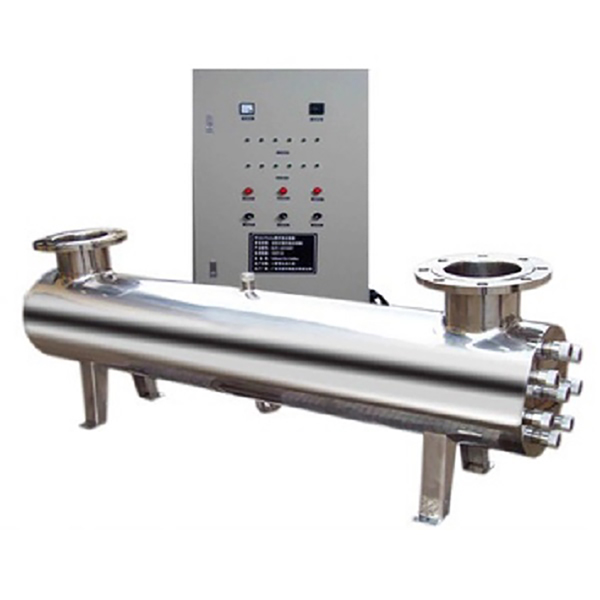
10W 16W 25W 55W Sistema UV/Sistemas de desinfección de agua potable ultravioleta

How to Build Customized UV & Ozone Solutions for Healthcare & Pharmaceutical Facilities?

I know you worry about getting stuck with a generic water machine that does not fit your local water source or room layout. Ordering the wrong equipment from overseas can lead to expensive site modifications and long delays.


Customized healthcare UV and ozone systems require matched sizing based on incoming water quality, ultraviolet transmittance, peak flow rates, and sanitary piping standards. A reliable setup uses 316L stainless steel contact parts, automated ozone off-gas destructors, and real-time monitoring sensors to guarantee safe clinical water production.


When I customize water treatment equipment at ROAGUA for overseas clients, I never rely on generic catalog models. A hospital in Nairobi might draw water from a municipal pipe with high chlorine, while a facility outside town pumps hard water from a deep borehole. If you feed cloudy water into a UV unit, the dirt particles shield bacteria from the light rays, and the disinfection process fails.


Why Physical Pre-Filtration Dictates Disinfection Success

I tell all my engineering clients that UV and ozone equipment can only work well if your pre-treatment filters do their job first. You cannot shine light through murky water, and you cannot waste expensive ozone gas on heavy dirt. Ultraviolet Transmittance measures how much light passes through a water sample over a set distance. If your water contains high iron, manganese, or suspended dirt, the UV transmittance drops below 85 percent. When this happens, pathogens hide behind physical particles and pass through the disinfection chamber alive.


We always build our custom skids with multi-media sand filters, activated carbon beds, and 5-micron sediment cartridge filters upstream. Removing physical dirt raises the UV transmittance above 95 percent. This clean water allows the germicidal light to hit every single pathogen. Clean water also reduces ozone demand, meaning your ozone generator uses far less electric power to achieve the required disinfection target.


Material Compatibility and Sanitary Construction Standards

I pay close attention to the metal and rubber parts inside our machines because ozone is a very harsh chemical oxidizer. If an unverified factory uses cheap 304 stainless steel or standard black rubber gaskets, dissolved ozone will eat through those parts within a few months. The leaking joints cause water damage, and leaking ozone gas creates a respiratory hazard for hospital staff.


In our ROAGUA production lines, we use 316L stainless steel for all piping, reactor chambers, and storage tanks that touch dissolved ozone or pure water. We polish the internal pipe walls to an ultra-smooth sanitary finish to stop bacteria from grabbing onto microscopic metal scratches. We build all our seals using pure PTFE or genuine Viton rubber, which resist ozone corrosion for years.


Water Quality Parameter Minimum Required Target Impact on UV Performance Impact on Ozone Performance
Turbiedad < 1.0 NTU (Ideal < 0.2 NTU) High turbidity shields bacteria from light rays Consumes ozone dose; slows down microbial kill rate
UV Transmittance (UVT) > 90% at 254 nm wavelength Low UVT prevents light from crossing water chamber No direct impact on ozone gas dissolution
Total Iron & Manganese Fe < 0.1 mg/L, Mn < 0.02 mg/L Coats quartz sleeves with brown mineral scale Precipitates into dark mineral dust inside tanks
Total Hardness ($CaCO_3$) < 100 mg/L (Softened water) Forms white heat scale on hot quartz lamp surfaces Harmless to ozone, but scales venturi injectors
Dissolved Bromide ($Br^-$) < 0.02 mg/L No chemical interference with UV light rays Reacts with ozone to form toxic bromate byproducts

Source Water Chemistry and Toxic Bromate Risks

I always test source water for dissolved bromide ions before recommending an ozone generator to a hospital client. When ozone mixes with water that contains natural bromide salts, a chemical reaction occurs that creates bromate ($BrO_3^-$). Bromate is a recognized human carcinogen. The United States EPA and the World Health Organization set a strict limit for bromate in drinking water at 0.010 milligrams per liter, which equals 10 micrograms per liter.


If our laboratory water test shows natural bromide in your raw water supply, I do not install high-dose ozone systems for direct drinking or patient care streams. Instead, I rely more heavily on multi-barrier UV disinfection skids paired with advanced membrane filtration. If ozone must be used for tank washing, I add specialized chemical dosing or catalytic carbon filters to prevent bromate formation.


Managing Safety Hazards and Off-Gas Venting

I take personal responsibility for factory safety, and I remind my clients that ozone gas presents real health risks if not handled with care. If ozone leaks into an enclosed equipment room, workers will experience chest tightness, coughing, and eye burning. A safe, custom-engineered ozone skid must never vent raw ozone gas into the surrounding room.


Every ozone system we manufacture includes an automated thermal-catalytic off-gas destructor mounted on top of the contact tank. As ozone gas rises out of the water surface, the vent pipe pulls it through a metal chamber filled with manganese dioxide catalyst. The catalyst splits the ozone molecule apart instantly and converts it back into harmless oxygen gas before it vents outside. We also wire ambient ozone leak detectors near the machine skid. If the sensor detects even 0.1 parts per million of ozone in the room air, the central PLC controller shuts down the ozone power supply and turns on emergency exhaust fans. This strict safety system keeps hospital technicians safe during routine maintenance.
Combining UV disinfection and ozone oxidation creates a powerful, chemical-free defense that protects healthcare and pharmaceutical water systems from dangerous pathogens and stubborn biofilms when properly engineered and maintained.