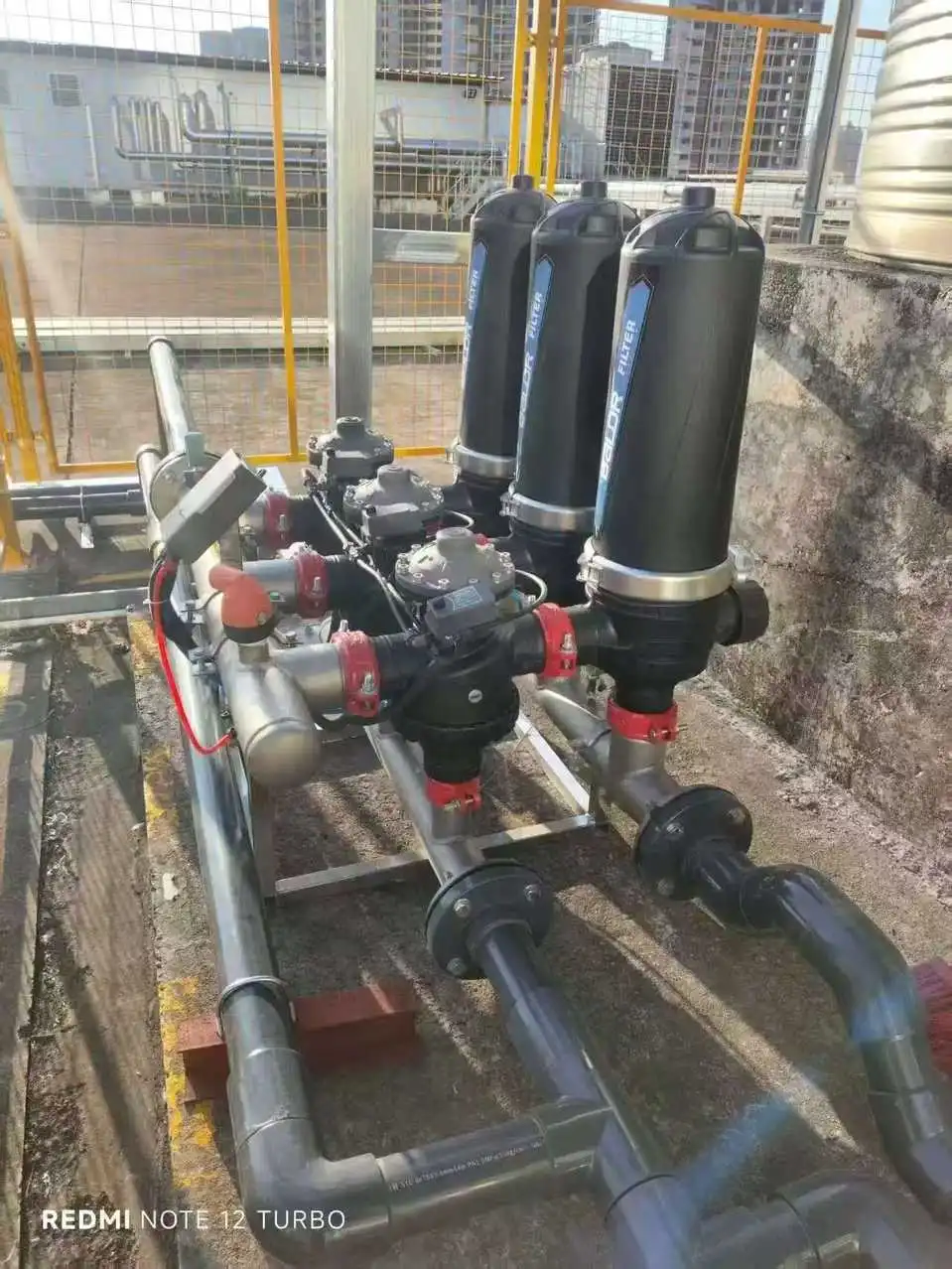
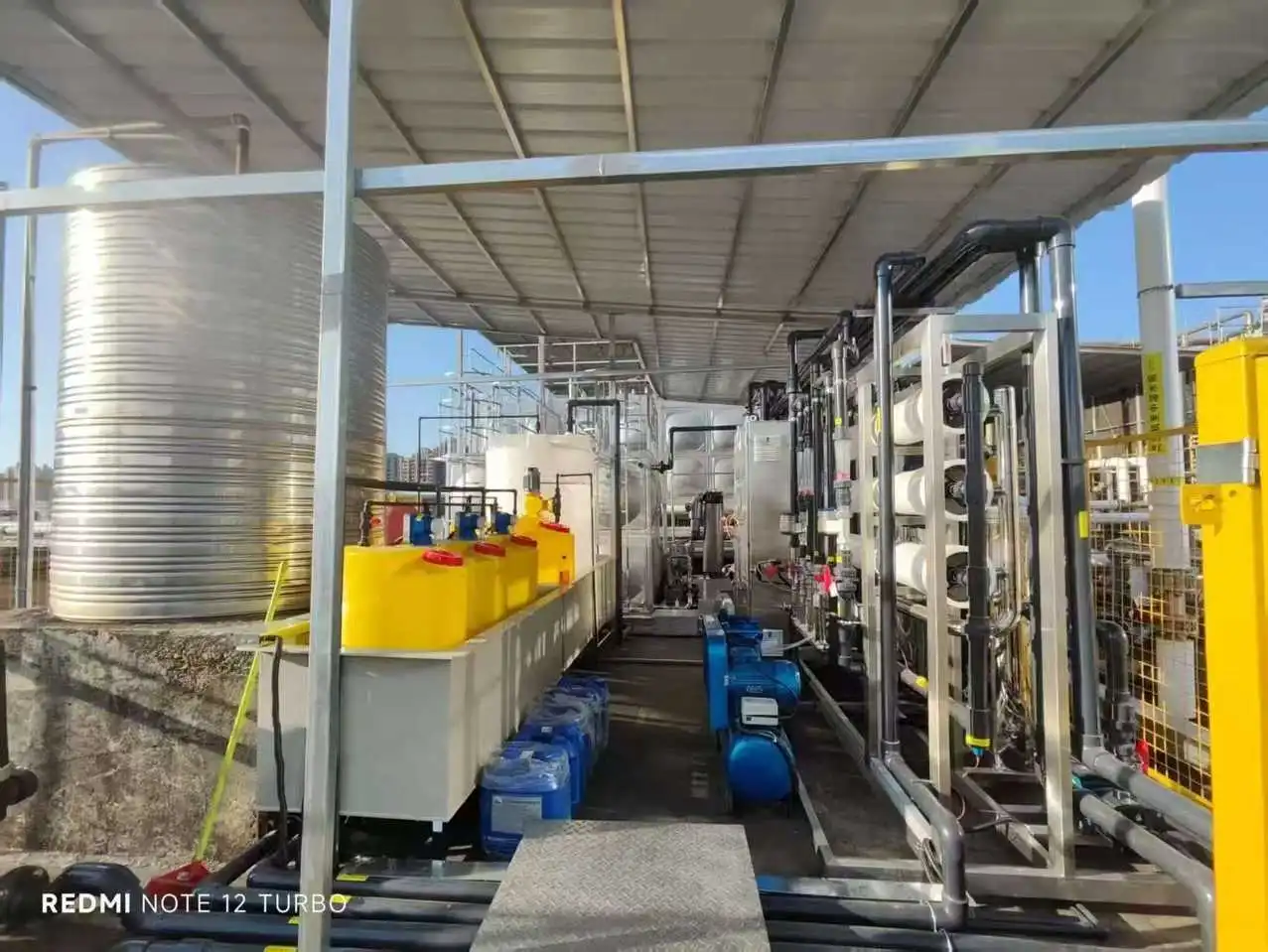
Многие владельцы заводов сталкиваются с растущими счетами за воду и ужесточением правил сброса воды. Возможно, у вас уже есть система повторного использования технологической воды существует, или вы рассматриваете возможность его создания, но остается важный вопрос: Действительно ли мне нужен обратный осмос (RO) или достаточно стандартной фильтрации?
Вы должны использовать RO в системы повторного использования технологической воды когда ваше приложение требует удаления растворенных солей, минералов и микроскопических загрязнений, с которыми не могут справиться традиционные технологии фильтрации. RO необходим для применений высокой чистоты, таких как питательная вода для котлов, промышленная промывка, а также в ситуациях, когда повторно используемая вода должна соответствовать стандартам, близким к питьевым или контактирующим с продуктом.
Давайте разберемся, как решить, является ли RO правильным вложением средств для вашего завода, чтобы избежать перерасхода на ненужное оборудование или, что еще хуже, установки системы, которая не соответствует вашим требованиям к качеству воды.
Какие условия указывают на необходимость обратного осмоса в системах повторного использования технологической воды?
Если вы когда-нибудь смотрели на очищенную техническую воду и думали: «Он выглядит чистым — разве его нельзя использовать повторно?» вы не одиноки. Это одно из самых распространенных и дорогостоящих недоразумений при повторном использовании воды в промышленности.
РО становится необходимым в системы повторного использования технологической воды когда:
- Общее количество растворенных твердых веществ (TDS) превышает 500–1000 мг/л
- Проводимость остается высокой после традиционного лечения.
- Присутствуют тяжелые металлы, такие как хром, мышьяк или никель.
- Соленость или жесткость угрожают оборудованию, расположенному ниже по потоку.
- Применяются нулевой сброс жидкости (ZLD) или строгие правила повторного использования.
- В ROAGUA мы обычно проектируем RO как заключительный этап полировки в линии повторного использования технологической воды. Понимание последовательности имеет решающее значение.
Где RO вписывается в типичную линию очистки повторного использования технологической воды
Правильно спроектированный система повторного использования технологической воды следует четкому порядку:
- Начальный & биологическая очистка
Удаляет объемную органическую нагрузку и расщепляет технологические отходы.
- Предварительная фильтрация
Песочные фильтры удаляют взвешенные вещества; Угольные фильтры удаляют запах, цвет и остатки органики.
- Ультрафильтрация (УФ)
Удаляет бактерии, коллоиды и мелкие взвешенные вещества.
На этом этапе вода часто выглядит кристально чистой. Однако, прозрачный не значит чистый.
Растворенные соли, минералы жесткости и тяжелые металлы остаются полностью растворенными — точно так же, как сахар в чае. Никакой песочный фильтр или УФ-мембрана не смогут их удалить. Именно здесь RO становится необходимым в системах повторного использования технологической воды.
Почему стандартной фильтрации недостаточно для повторного использования технологической воды
Многие заводы пытаются повторно использовать техническую воду, используя только UF. Хотя УФ отлично защищает оборудование от загрязнения, он не может удалить растворенные загрязнения.
Мембраны RO действуют на молекулярном уровне. Их эффективный размер пор (~0,0001 микрон) позволяет молекулам воды проходить, отталкивая до 99% растворенных солей и загрязнений.
Если анализ воды показывает:
- Повышенный уровень хлоридов или сульфатов
- тогда RO не является обязательным — это единственный надежный барьер, защищающий ваше производственное оборудование.
Без обратного осмоса невидимые соли накапливаются внутри котлов, теплообменников и технологических линий, что приводит к образованию накипи, коррозии и неожиданным простоям.
Как требования к конечному использованию определяют проектирование системы повторного использования технологической воды
Настоящий фактор, влияющий на принятие решения, не в том, насколько чистая ваша вода. выглядит, но как вы собираетесь использовать его повторно.
Низкосортное повторное использование (RO обычно не требуется)
- Использование RO здесь зачастую ненужно и неэкономично.
Полноценное повторное использование (RO имеет важное значение)
- Обработка продуктов питания и напитков
- Фармацевтическое или электронное производство
- Промышленная промывка без пятен
В качестве примера возьмем питательную воду котла. Даже умеренная жесткость приводит к образованию накипи при нагревании воды. Накипь действует как изоляция, увеличивает расход топлива и в конечном итоге повреждает трубы котла. В этих приложениях Системы повторного использования технологической воды на основе RO это не роскошь, это гарантия.
Ключевые показатели качества воды, которые необходимо проверить перед выбором RO
Прежде чем завершить проектирование системы повторного использования технологической воды, тест на:
- Проводимость – Указывает общее содержание ионов
- ТДС – Прямое измерение растворенных твердых веществ
- Твердость – Риск образования накипи кальция и магния
- Следы органики – Критично для предприятий по производству продуктов питания, напитков и фармацевтических препаратов.
Если какой-либо из этих параметров превышает ваши пределы конечного использования, RO становится необходимым последним барьером.
RO против UF в системах повторного использования технологической воды
| Особенность |
УФ |
РО |
| Взвешенные вещества |
Отличный |
Отлично (требует предварительной обработки) |
| Удаление бактерий |
Очень хороший |
Отличный |
| Растворенные соли (TDS) |
❌ Нет |
✅ Да (95–99%) |
| Удаление жесткости |
❌ Нет |
✅ Да |
| Рабочее давление |
Низкий |
Высокий |
| Типичные применения |
Охлаждение, промывка |
Котлы, техническая вода |
Если ваша цель — стабильная, высококачественная повторно используемая вода, RO выполняет то, что не может UF.
Плюсы и минусы систем повторного использования технологической воды на основе RO
Преимущества
- Производит стабильную, высокочистую техническую воду
- Защищает котлы и производственное оборудование
- Снижает плату за покупку и сброс пресной воды.
- Поддерживает соответствие ZLD
- Повышает долгосрочную эксплуатационную надежность
Проблемы
- Повышенное энергопотребление
- Требуется химическая очистка и контроль.
- Вырабатывает концентрат обратного осмоса, которым необходимо управлять.
Несмотря на эти компромиссы, большинство заводов считают, что RO окупается за счет сокращения времени простоя, снижения затрат на воду и улучшения соблюдения требований.
Оптимизация систем повторного использования технологической воды для пищевой промышленности
На предприятиях по производству продуктов питания и напитков надежность и гигиена систем не подлежат обсуждению. Простои означают потерю производства, а плохое качество воды ставит под угрозу безопасность продукции.
Чтобы оптимизировать производительность RO:
- Сильная предварительная обработка
УФ имеет решающее значение для предотвращения биологического обрастания мембран обратного осмоса.
- Непрерывный мониторинг
Отслеживайте перепады давления для раннего обнаружения загрязнения.
- Конструкция с возможностью мойки на месте (CIP)
Позволяет проводить дезинфекцию без демонтажа оборудования.
- Выбор пищевой химии
Антискаланты и чистящие средства должны соответствовать стандартам пищевой промышленности.
При правильной защите мембраны обратного осмоса в системы повторного использования технологической воды может прослужить 3–5 лет со стабильной производительностью.
RO не требуется в каждом приложении, но он незаменим, когда системы повторного использования технологической воды Должен поставлять стабильную и безопасную для оборудования воду с низким содержанием TDS. Если ваше предприятие использует котлы, чувствительные производственные процессы или сталкивается с нехваткой воды и ограничениями на сбросы, RO — это технология, которая делает повторное использование жизнеспособным и устойчивым.
Если вы планируете или модернизируете проект повторного использования технологической воды, ROAGUA может помочь вам спроектировать систему, которая будет соответствовать вашим целевым показателям качества без ненужных затрат.