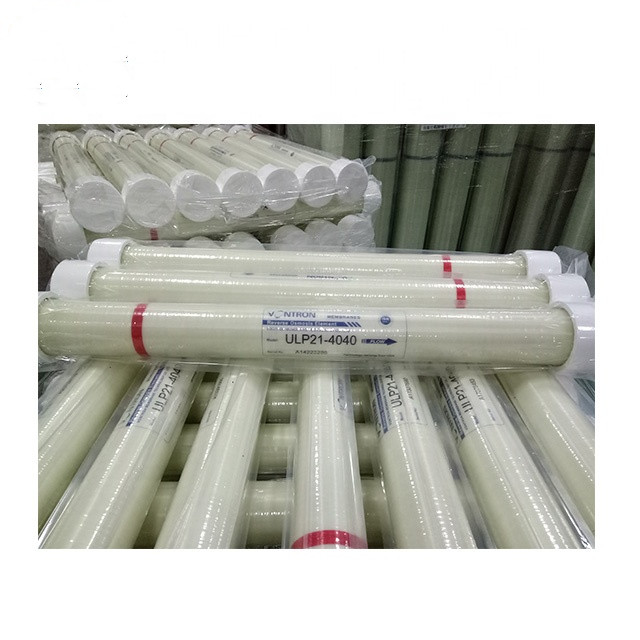
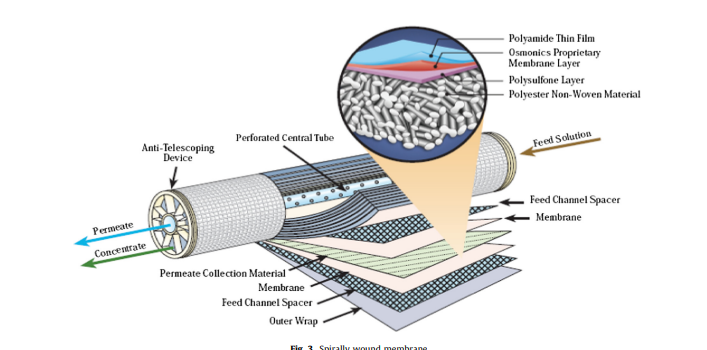
Reverse osmosis (RO) systems are widely used in industrial water treatment, wastewater reuse, and desalination projects. However, one of the biggest challenges operators face is membrane fouling, which directly impacts system efficiency, operating cost, and membrane lifespan.
A critical question many users ask is:
👉 Should RO membranes be cleaned with acid first or alkaline first?
This guide explains when to use each method, the correct cleaning sequence, and best practices to maximize your system performance.
Why RO Membrane Cleaning Is Essential
Over time, RO membranes accumulate different types of contaminants:
- Inorganic scaling(calcium, magnesium, silica) → reduces permeate flow
- Organic fouling(oil, COD, biofilm) → blocks membrane surface
- Colloidal particles→ clog membrane pores
If not cleaned regularly, these lead to:
- Decreased water production
- Increased operating pressure
- Повышенное энергопотребление
- Shortened membrane life
👉 Regular chemical cleaning (CIP) is essential for stable operation.
Types of RO Membrane Fouling
Understanding fouling type is the key to selecting the right cleaning method.
1. Inorganic Fouling (Scaling)
- Calcium carbonate (CaCO₃)
- Calcium sulfate (CaSO₄)
- Iron deposits
🔧 Best solution: Acid cleaning
2. Organic & Biological Fouling
- Oils and grease
- Microorganisms and biofilm
- Proteins and organics
🔧 Best solution: Alkaline cleaning
Acid vs. Alkaline Cleaning: What’s the Difference?
Acid Cleaning
Цель: Remove inorganic scale
Common chemicals: Citric acid, HCl, nitric acid
How it works:
Acid dissolves mineral deposits and converts them into soluble compounds.
Alkaline Cleaning
Цель: Remove organic and biological fouling
Common chemicals: NaOH, sodium hypochlorite
How it works:
- Breaks down organic matter
- Saponifies oils
- Destroys biofilm structure
Which Comes First: Acid or Alkaline Cleaning?
The answer depends on your fouling type, but here are the industry best practices:
✅ Option 1: Acid First, Then Alkaline (Recommended in Most Cases)
Best for:
Systems with heavy scaling + mixed fouling
Why it works:
- Acid removes hard inorganic scale first
- Opens up membrane surface
- Allows alkaline cleaning to work more effectively
👉 Most commonly recommended sequence in industrial RO systems
✅ Option 2: Alkaline First, Then Acid
Best for:
Systems dominated by organic fouling or biofilm
Why it works:
- Alkaline removes organic layer
- Improves acid access to scale underneath
🔍 Quick Decision Rule
| Fouling Type |
Cleaning Sequence |
| Heavy scaling |
Acid → Alkaline |
| Organic/Bio fouling |
Alkaline → Acid |
| Mixed fouling |
Acid → Alkaline (default) |
Standard RO Membrane Cleaning Procedure (CIP Process)
Step 1: System Shutdown & Pre-Rinse
- Stop RO system
- Drain system completely
- Flush with clean water to remove loose particles
Step 2: Alkaline Cleaning
- Concentration: 5–1% NaOH
- Temperature: 30–40°C
- Time: 30–60 minutes circulation
✔ Removes organic fouling and biofilm
👉 Rinse until pH ≈ 7
Step 3: Acid Cleaning
- Concentration: 1–2% citric acid
- Temperature: 25–35°C
- Time: 30–60 minutes
✔ Removes scaling and inorganic deposits
👉 Rinse until neutral pH
Step 4: Final Check
- Verify permeate flow recovery
- Check pressure normalization
- Confirm water quality meets standards
Key Operating Parameters for Effective Cleaning
- Pressure:1–0.3 MPa (low pressure)
- Temperature:30–35°C (max 45°C)
- Flow rate:
- 8” membrane: 6–9 m³/h
- 4” membrane: 1.8–2.3 m³/h
- Cleaning mode:Circulation + soaking
- Soaking time:2–24 hours (depending on fouling level)
Common RO Cleaning Chemicals
| Приложение |
Химическая |
| Organic fouling |
NaOH + NaClO |
| Железо & масштабирование |
Citric acid / HCl |
| Oil fouling |
Surfactant + alkaline |
| Silica scaling |
Strong acid (H₂SO₄) |
| Protein fouling |
Phosphoric acid + EDTA |
Important Precautions
⚠️ Use RO permeate or softened water for chemical preparation
⚠️ Avoid chlorine exposure on sensitive membranes
⚠️ Do not exceed 45°C temperature limit
⚠️ Control pH carefully (especially for high-pH cleaning)
Expert Tip from ROAGUA
In real industrial applications, most systems suffer from mixed fouling.
👉 That’s why we usually recommend:
Acid Cleaning → Alkaline Cleaning → Final Rinse
This sequence ensures:
- Maximum cleaning efficiency
- Lower chemical consumption
- Extended membrane lifespan
Need Help with Your RO System?
В РОАГУА, we provide:
- Customized RO membrane cleaning solutions
- Complete CIP system design
- промышленный water & wastewater treatment systems
👉 If you’re facing membrane fouling, high pressure, or low output, contact us for a free technical consultation.