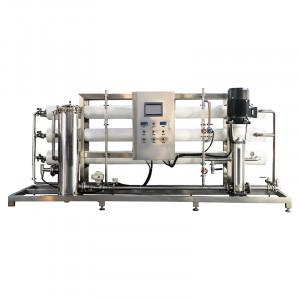
Planta de Tratamiento de Aguas Residuales Hospitalarias | Sistema de tratamiento de aguas residuales médicas
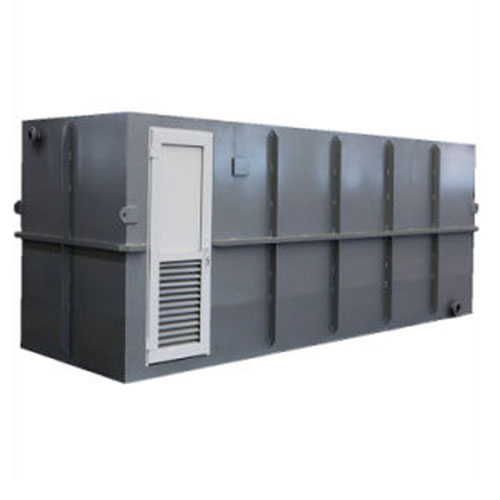
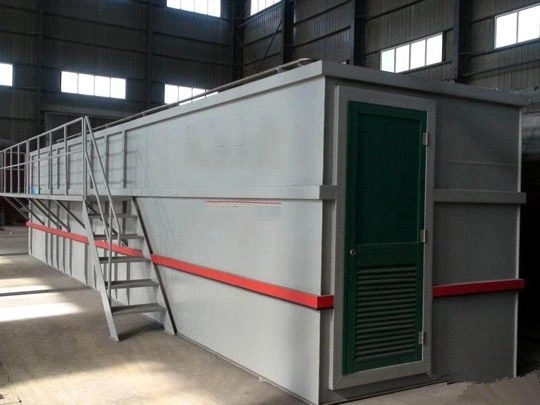


Descripción del Producto
Healthcare facilities generate wastewater containing pathogens, pharmaceuticals, disinfectants, and organic pollutants. A properly designed sewage treatment plant for hospitals must ensure reliable pathogen removal, stable effluent quality, and full compliance with environmental discharge regulations.
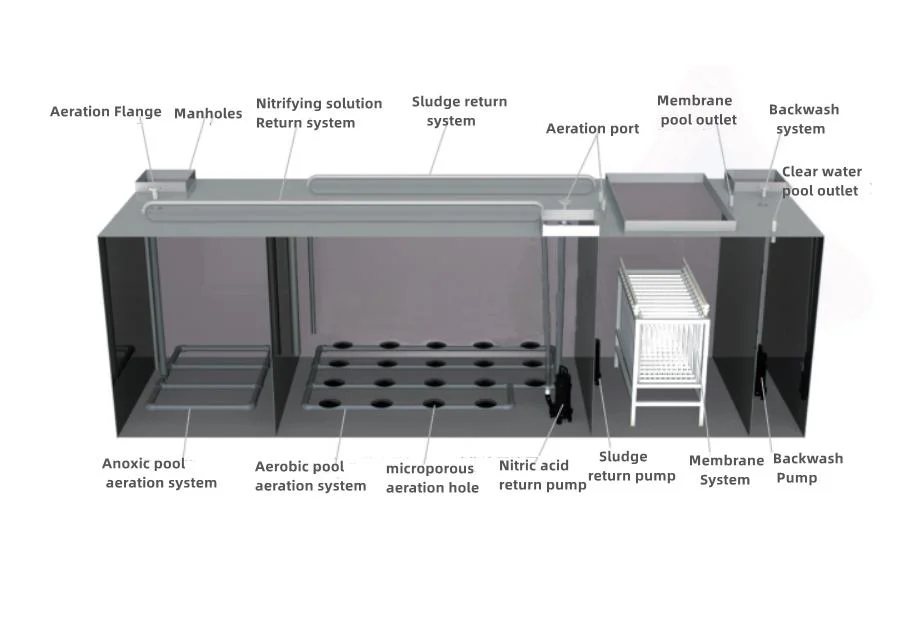
Unlike ordinary domestic sewage, hospital wastewater may contain bacteria, viruses, chemical residues, and laboratory contaminants that require advanced biological treatment combined with effective disinfection. Our hospital sewage treatment plant integrates screening, equalization, MBR biological treatment, and final disinfection to guarantee safe discharge or reuse.
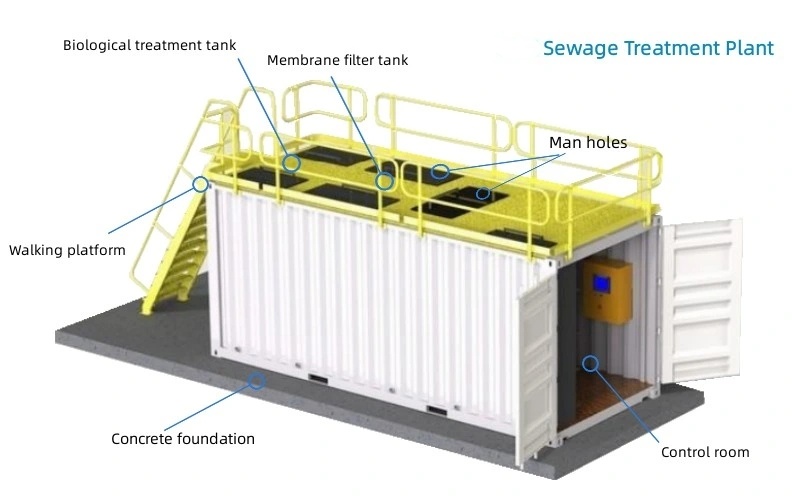
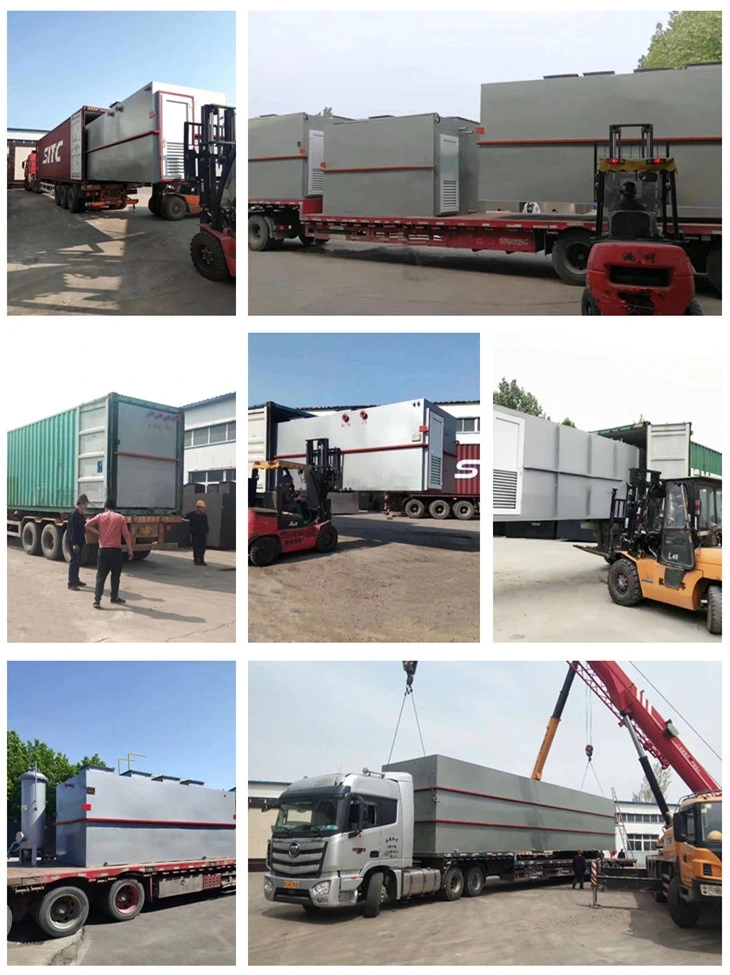
The system is compact, automated, and suitable for space-limited medical facilities. With containerized options available, it is ideal for projects in Africa and the Middle East where fast installation and operational reliability are critical.
By using a specialized sewage treatment plant for healthcare applications, hospitals can protect public health, avoid regulatory penalties, and ensure long-term environmental sustainability.
Beneficio del producto
-
High pathogen removal efficiency
-
Reliable compliance with discharge regulations
-
Compact footprint for limited hospital space
-
Low sludge production
-
Reduced operational risk
-
Long-term operational stability
Característica de producto
-
Membrane bioreactor (MBR) technology
-
Automatic PLC control system
-
Diseño modular o en contenedores
-
Corrosion-resistant materials
-
Remote technical support
-
Proceso de tratamiento de la planta de tratamiento de aguas residuales hospitalarias
Cribado
→ Tanque de ecualización
→ MBR Biological Reactor
→ Aclaración secundaria
→ UV / Chlorination Disinfection
→ Safe Discharge or Water Reuse - How Our Hospital Wastewater Treatment Plant Works (Step-by-Step)
Step 1 – Mechanical Screening
Objetivo:
Filter out large debris such as tissues, plastics, paper and solids.Por qué es importante:
Medical sewage often contains non-biodegradable waste which can clog pumps and damage equipment.Key Benefits:
✔ Protects downstream equipment
✔ Reduce el mantenimiento
✔ Improves overall system stabilityStep 2 – Equalization Tank
Objetivo:
Balances wastewater flow and pollutant concentration before biological treatment.Por qué es importante:
Hospitals produce fluctuating wastewater volumes — heavy use at peak hours, low at night.Key Benefits:
✔ Prevents shock load
✔ Stabilizes influent quality
✔ Improves biological treatment efficiencyStep 3 – Biological Treatment (Primary Organic Removal)
Biological treatment is the heart of the system — microorganisms digest and remove organic contaminants.
We offer two main technologies:
MBBR (Moving Bed Biofilm Reactor) — Recommended
Cómo funciona:
Biofilm carriers support microbial growth that consumes organic matter (BOD/COD).Ventajas:
✔ Handles variable flows
✔ Robust performance
✔ Low sludge yield
✔ Simple managementTypical Efficiency:
✔ BOD removal > 90%
✔ COD removal > 85%MBR (Membrane Bioreactor) — High Standard
Cómo funciona:
Combines biological degradation with membrane filtration for ultra-clean discharge.Ventajas:
✔ SST < 10 mg/L
✔ Excellent effluent clarity
✔ Supports water reuseThis option is ideal for hospitals requiring highest discharge standards.
Step 4 – Secondary Clarification
Objetivo:
Settles biological solids and separates sludge from treated water.Beneficios:
✔ Reduces suspended solids
✔ Ensures effluent stabilityStep 5 – Disinfection
Objetivo:
Eliminate bacteria, viruses and pathogens before discharge.Methods:
✔ UV Sterilization (chemical-free)
✔ Chlorine DosingKey Benefits:
✔ Strong pathogen removal
✔ Protects public health
✔ Meets WHO/ local discharge requirementsStep 6 – Odor Control & Exhaust Treatment
Hospital wastewater systems must manage odor and harmful gases.
Our design includes:
✔ Odor stripping chamber
✔ Activated carbon filter
✔ Bio-filter deodorizationEnsures a comfortable, odor-free environment around the treatment plant.
Step 7 – Sludge Handling & Dewatering
Objetivo:
Reduce volume of biological waste for safe disposal.Methods:
✔ Sludge drying beds
✔ Filter press systemsBeneficios:
✔ Menor costo de eliminación
✔ Reducción del impacto ambiental 
Aplicación del producto
-
Public hospitals
-
Private medical centers
-
Laboratories
-
Pharmaceutical facilities
-
Field hospitals
Request Your Custom Hospital Wastewater Solution
To receive a free technical proposal & quotation, please provide:
✔ Daily wastewater volume (m³/day)
✔ Water quality or lab analysis report
✔ Discharge standard requirement
✔ Hospital bed count or patient load
✔ Project country / location
📩 Our engineering team will reply within 24 hours.
Productos relacionados