March 13, 2026     Postado por :

I know how stressful it is to face local health department audits. You worry about fines or even a hospital shutdown. I am here to help you pick the right system.

You should choose a hospital wastewater plant by first checking local discharge laws and your daily water flow. Then, pick a technology like MBR or MBBR based on your space. Finally, select a reliable supplier that offers easy-to-run, automated equipment.

Picking a water system is a big step for your facility. It is not just about buying a machine. It is about keeping your patients safe and your hospital legal. Let’s look at the details.

What wastewater quality information do I need before making my decision?

I see many hospital directors buy equipment that does not fit their actual water. This leads to bad smells and failed tests. I want to help you avoid this costly error.

You must provide a detailed water quality report to your supplier. Include the daily water volume, local voltage, and the clean water standards you must meet. This helps us design a custom system.

Understanding Your Influent Data

To get the right machine, we need to know what is in yourrawwater. Hospital water is not like home sewage. It contains blood, disinfectants, lab chemicals, and many germs. If you do not know these levels, the biological part of the system might die. This means the water stays dirty even after treatment. I always tell my clients to test for BOD (Biological Oxygen Demand) and COD (Chemical Oxygen Demand). These tell us howstrongthe waste is.

We also need to know where the water comes from. Does it include the laundry or just the wards? Laundry water has lots of soap. Lab water has chemicals. Mixing these without a plan can break a cheap system. I suggest looking at the table below to see what data you should collect.

Table 1: Essential Data for Hospital Wastewater Design

Data Category Specific Details Needed Why it matters
Quociente de vazão Average m³/day and Peak flow Sizes the tanks and pumps correctly.
Qualidade da água BOD, COD, TSS, Ammonia, pH Determines which chemicals and filters to use.
Special Loads Lab chemicals, Antibiotics, Isotopes Helps decide if you need extra pre-treatment.
Local Power Voltage (e.g., 380V/50Hz/3P) Ensures the motors and control panels work.
Site Space Available area and height Decides if you need a compactboxsystem.

The Importance of Flow and Standards

Knowing how much water you make every day is vital. If the system is too small, dirty water will overflow. If it is too big, you waste money on power. You also need to know your local laws. Some countries are very strict about bacteria. Others care more about chemicals. My team at ROAGUA always asks for your localDischarge Standarddocument. This is yourgoal.Once we know the goal, we can build the path to get there.

Lastly, check your local voltage. In Africa or the Middle East, power can be different from China. We need to match the motors to your local grid. If we don’t, the machine will burn out on day one. I want your equipment to run for years, not days.

Which treatment technology should I consider for my hospital wastewater?

I understand that technical terms like MBR or ASP sound confusing. You are a doctor or a manager, not an engineer. I will explain these choices in very simple ways for you.

The best choices for hospitals are Membrane Bioreactor (MBR) and Moving Bed Biofilm Reactor (MBBR). MBR gives the cleanest water for reuse. MBBR is easier to maintain and handles changes in water flow very well.

Comparing MBR and MBBR Systems

Hospitals usually have limited space. You cannot build a massive sewage pond next to the surgery room. This is why compact systems are great. The MBR (Membrane Bioreactor) is like a super-filter. It uses tiny membranes to catch almost all bacteria and solids. I recommend this if you want to reuse water for gardening or flushing toilets. It is very efficient but needs a bit more care to keep the filters clean.

On the other hand, MBBR uses small plasticcarriersthat float in the water. Bacteria grow on these plastic pieces and eat the waste. It is verytough.If your hospital has more patients one week and fewer the next, MBBR adjusts easily. It does not break down as easily as older systems. Below is a comparison to help you decide which one fits your staff’s skill level.

Table 2: MBR vs. MBBR for Hospital Facilities

Recurso MBR (Membrane Bioreactor) MBBR (Moving Bed Biofilm)
Qualidade da água Crystal clear, very high quality Good, meets most standards
Footprint Very small and compact Small to Medium
Manutenção Requires membrane cleaning Very low maintenance
Custo Higher initial price Moderate price
Melhor para Reusing water or tight spaces Simple operation and reliability

Why Modern Technology Matters

Old systems likeActivated Sludgeare too big and often smell. In a hospital, smell is a huge problem. Patients need clean air. Modern MBR and MBBR systems are usually enclosed in steel or plastic tanks. This keeps the smell inside. Also, these systems are much better at removingmicropollutantslike antibiotics.

Regular sewage plants often fail to kill thesuperbugsfound in hospitals. These germs can get into the local groundwater and make people sick. As a hospital leader, you have a duty to stop this. Using a system with built-in UV disinfection or Ozone treatment is a must. These extra steps act like a final shield. They kill the germs that biological treatment might miss. This is the level of safety I always push for in my projects.

How can I ensure the system will meet my local environmental regulations?

I have seen many owners feel embarrassed when inspectors find bad water. It hurts your hospital’s reputation and your wallet. I focus on making sure your water is always 100% legal.

To stay legal, choose a system with a multi-stage disinfection process. Use UV, Chlorine, or Ozone to kill all pathogens. Also, ensure your supplier provides a written guarantee that the water meets your specific local limits.

Navigating Local Laws and WHO Guidelines

Every country has its own rules. In places like Kenya or Nigeria, the government is getting much stricter about medical waste. They follow many of the WHO (World Health Organization) rules. These rules say you must removeinfectious agentsbefore the water leaves your site. This means simple filtering is not enough. You need adisinfectionstep at the very end.

I suggest you ask your supplier for aProcess Flow Diagram.This shows every step the water takes. You can show this to your local environmental officer. If the officer sees a professional plan with UV sterilization and chemical dosing, they will trust your hospital more. It shows you are serious about safety. I always provide these documents in English so your team can use them for permits.

The Role of Advanced Oxidation

Sometimes, basic disinfection is not enough. Hospital water can have tough chemicals from X-ray labs or cancer wards. These chemicals do not break down easily. This is whereAdvanced Oxidationcomes in. It uses things like Ozone or special UV lights toshredthese hard chemicals.

Think of it like a security guard for your water. Even if a strange chemical gets through the first filters, the oxidation step catches it. This is how you pass the most difficult lab tests. I recommend this for larger hospitals or those near rivers and residential areas. It gives you peace of mind. You won’t have to worry about a surprise inspection failing.

Documentation and Certifications

A machine is only as good as the paper that comes with it. You need certificates that prove the materials are high quality. At ROAGUA, we provide ISO certificates and testing reports. These papers are vital for your hospital’s accreditation. If you want to be a top-tier private hospital, you need top-tier documentation.

I also advise my clients to keep alogbook.Modern systems can record data automatically. This proves to the government that you have been treating water correctly every single day. If there is ever a dispute, your data will protect you. It is the best way to prove you are a responsible facility manager.

What mistakes should I avoid when selecting a wastewater treatment solution for my facility?

I hate seeing good money wasted on bad equipment. I have seen “aço inoxidável” tanks rust in six months because the quality was low. I want to tell you how to spot these traps.

Avoid buying the cheapest system. Low-cost machines often use thin metal that rusts quickly. Also, do not buy a system that is too complex for your staff. Look forone-clickautomation so you don’t need an engineer on-site.

The Trap of the Lowest Price

It is tempting to pick the lowest quote. But in water treatment, you get what you pay for. Cheap systems often use low-grade pumps or thin plastic. In a hospital, you cannot afford for the machine to break. If it stops, the toilets might back up or dirty water might flood the yard. This is a medical emergency.

I always use high-grade SUS304 stainless steel or thick carbon steel with special coatings. This resists the harsh chemicals in hospital waste. It might cost a bit more today, but it saves you from buying a new machine in two years. I call thisbuying it right the first time.

Table 3: Common Pitfalls vs. Best Practices

Common Pitfall O resultado The Best Practice
Buying on price alone Rusted tanks and broken pumps Focus on “Custo total de propriedade” over 10 years.
Ignoring operator skill Machine breaks due to wrong use Choose a system with a simple PLCAutomode.
No local support System stays broken for weeks Choose a supplier with a clear remote support plan.
Cheap materials Chemical leaks and bad smells Demand SUS304 stainless steel or heavy-duty coatings.
Forgetting sludge The system gets clogged up Plan for a sludge drying bed or professional removal.

Complexity is Your Enemy

Many engineers love complex machines with a thousand buttons. But Dr. Samuel, I know your hospital staff are busy with patients. They are not water experts. If a machine is too hard to use, the staff will stop using it. Or they will push the wrong button and break it.

I always design my systems withPlug and Playlogic. We build the system inside a container or on a steel skid in China. We test everything. Then we ship it to you. When it arrives, your plumber just connects the “Em” pipe and theOutpipe. We use a simple touch-screen. If something goes wrong, an alarm sounds and tells you exactly what to do. This simplicity is the key to a successful hospital project.

Why the Supplier Matters

Lastly, think about where the machine comes from. Many companiessaythey know medical waste, but they only know simple sewage. Medical waste has antibiotics that kill normal bacteria. If the supplier doesn’t know how to handle this, the system will fail.

Check their history. Have they exported to Africa or the Middle East before? Do they understand your climate? At ROAGUA, we focus on international exports. We know how to pack a container so nothing breaks during the long sea voyage. We also offer WhatsApp support so you can talk to us anytime. This relationship is more important than the price tag.
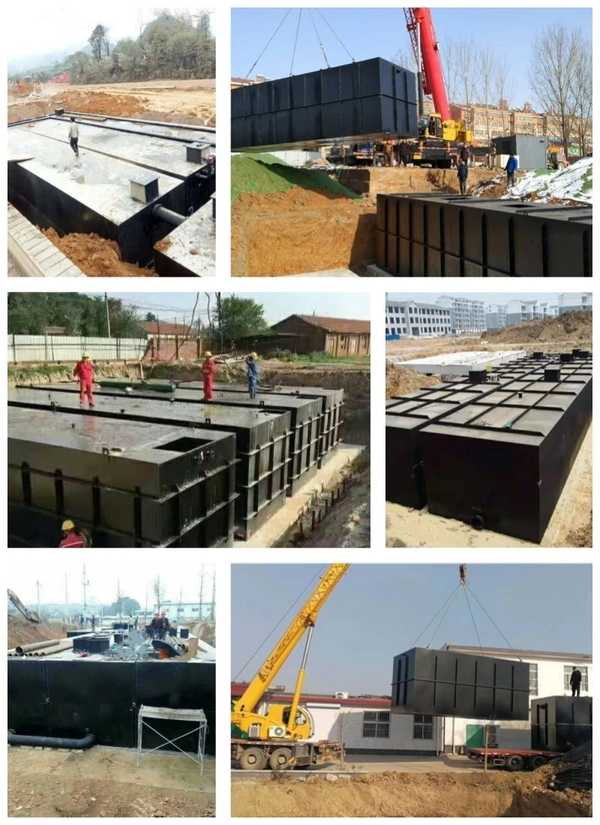
Choosing a hospital wastewater plant is about safety, law, and long-term value. Start with clear water data and pick a simple, high-quality system. I can help you design a custom solution today.


How can I choose the right hospital wastewater treatment plant for my hospital?

March 13, 2026     Postado por :

Struggling to choose the right hospital wastewater treatment plant? This expert guide covers essential water quality data, MBR vs MBBR technology, and how to ensure local environmental compliance. Avoid costly mistakes and find high-quality, automated medical wastewater solutions from China to keep your facility running safely.