Are you tired of construction delays and rising costs for your hospital’s waste system? I know how stressful it is when concrete projects stall while patients wait for a safe environment.
An integrated système conteneurisé is better for African hospitals because it is faster to deploy, easier to operate, and costs less than traditional civil works. These pre-built units arrive ready to use, ensuring you pass inspections quickly without the headaches of long-term on-site construction.
Let me explain why this modern approach is a game-changer for your facility’s operations and budget. I want to show you how to avoid common pitfalls I have seen in many healthcare projects.
How much can I save on construction costs by using a containerized system?
Hidden costs in civil works often blow your budget. I see many hospital directors struggle with fluctuating material prices and labor overruns that never seem to end when building with concrete.
You can save 20% to 40% on construction costs by choosing a containerized system. These units avoid expensive excavation and large-scale concrete work. Since they are factory-built, you get a fixed price, preventing the common budget leaks found in local African building projects.
The Reality of Hidden Building Costs
When you start a “civil works” project, you are at the mercy of the local market. I have seen projects in countries like Nigeria or Kenya stop for months because the price of cement or steel suddenly doubled. With a containerized system from ROAGUA, the price we agree on is the price you pay. All the complex parts are already inside the box. You do not need to hire expensive engineers to stay on-site for a year. You only need a simple concrete slab.
Why Factory-Built Means Better Quality
In a factory, I can control everything. I make sure every weld is perfect and every pipe is sealed. On a construction site, rain, dust, and tired workers can lead to mistakes in the concrete tanks. If a concrete tank leaks, it is a nightmare to fix. It can pollute the ground under your hospital. Our integrated systems use high-quality materials that are tested before they even leave China. This saves you from “re-work” costs that happen when local builds fail.
Lower Labor and Management Expenses
Managing a big construction crew is a full-time job. You have to worry about theft of materials and local labor disputes. When you choose our system, the “labor” is mostly done in our factory. You save money because you do not need a huge team of builders on your hospital grounds for months. This keeps your hospital quiet and clean for your patients.
| Élément de coût |
Containerized System |
Civil Works (Concrete) |
| Design & Ingénierie |
Included in package |
High hourly fees |
| Site Preparation |
Basic concrete pad |
Deep excavation & footings |
| Material Risk |
Fixed price |
High (fluctuating prices) |
| Labor Duration |
1-2 weeks |
6-12 months |
| Total Predictability |
Haut |
Faible |
Will a pre-assembled system help me pass my local environmental inspection faster?
Is the fear of heavy fines or closure keeping you awake? I have helped many hospitals face strict environmental officers who demand perfect water quality reports immediately to stay in business.
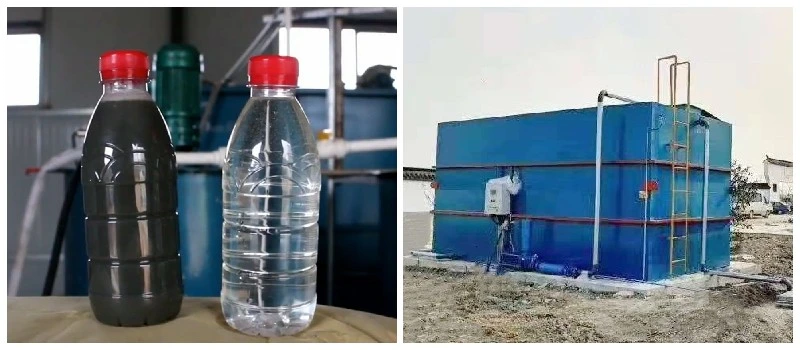
Yes, a pre-assembled system helps you pass inspections faster because it is pre-tested to meet international standards. These systems include advanced disinfection and filtration, providing consistent, clean water that satisfies local health and environmental authorities right from the very first day of operation.
Meeting Strict Standards with Confidence
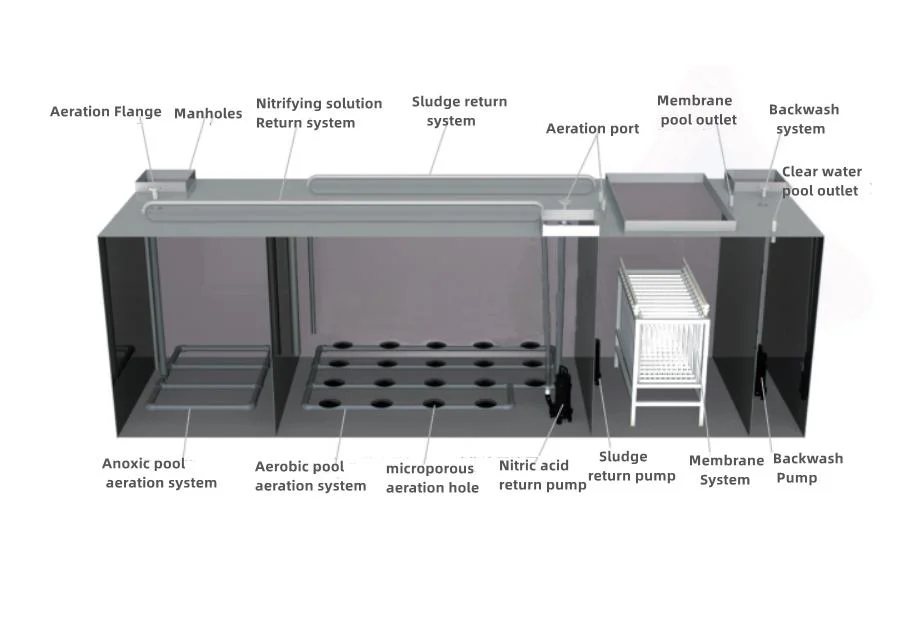
Health inspectors in the Middle East and Africa are getting much stricter. They want to see that you can kill bacteria and remove chemicals. A simple septic tank is no longer enough. Our systems use MBR (Membrane Bioreactor) technology. This is like a high-tech filter that catches everything. When the inspector takes a water sample, the results will be clear. This means you get your permit faster and can focus on your patients.
Reliable Disinfection for Hospital Safety
Hospital waste is dangerous. It contains pathogens and viruses. I make sure our containerized systems have a multi-stage disinfection process. We use UV light or chlorine dosing that is easy to monitor. In a traditional concrete plant, the disinfection stage is often the first part to break because it was not designed correctly. Our systems are built based on WHO guidelines, which makes every inspector happy.
Documentation and Certifications
When you buy from ROAGUA, I provide you with all the technical drawings and test reports. You can hand these documents to your local government. It proves that your equipment is professional and built for medical use. Most local builders cannot provide these types of certifications. Having the right paperwork is 50% of the battle when passing an environmental audit.
Automation Reduces Human Error
The biggest reason hospitals fail inspections is “human error.” If a worker forgets to turn a valve in a manual concrete plant, the waste goes out untreated. Our integrated systems are automated. They have sensors that watch the water quality for you. If something is wrong, the system tells you. This constant monitoring ensures you are always in compliance, even when you are busy with medical emergencies.
How quickly can my hospital start treating water after the equipment arrives?
Does waiting months for a waste plant sound like a nightmare? I believe your hospital should focus on saving lives, not managing a messy, year-long construction site that disrupts your clinic.
Your hospital can start treating water within days of the equipment’s arrival. Unlike civil works that take months, containerized systems are “plug-and-play.” You only need a flat concrete pad and basic pipe connections to begin full operation immediately after delivery.
From Shipping Container to Working Plant
The beauty of an integrated system is that the container is the building. When it arrives on a truck, it already has the pumps, filters, and control panels installed. I tell my clients that it is like buying a washing machine instead of building a laundry room from scratch. Once we crane it onto your site, my team or your local plumber just connects the “in” pipe and the “out” pipe.
Avoiding the “Construction Zone” Mess
Traditional building creates a lot of dust and noise. This is bad for a hospital environment where patients need rest and sterile conditions. A containerized system arrives finished. There is no mixing of concrete, no loud hammering for months, and no piles of sand everywhere. You can keep your hospital running smoothly while we set up the system in a corner of your property.
Fast Commissioning and Training
Since I test the system in China before shipping, I know it works. When it reaches your hospital in Africa, the “startup” phase is very short. I provide simple manuals and video guides. Your maintenance staff can learn how to use it in just one afternoon. We use simple English and clear labels so that anyone can operate it without being a water expert.
Speed Comparison Table
| Phase |
Containerized System |
Civil Works |
| Site Prep |
3 – 5 Days |
4 – 8 Weeks |
| Building/Assembly |
0 Days (Done in factory) |
12 – 24 Weeks |
| Installation |
2 – 4 Days |
4 – 6 Weeks |
| Startup/Testing |
1 – 2 Days |
2 Weeks |
| Total Time |
Approx. 1 Week |
6 – 9 Months |
Can I move my integrated treatment system if my hospital relocates in the future?
What happens if you need to expand or move to a new site? I hate seeing hospitals waste money on permanent concrete structures they eventually have to abandon when they grow.
Yes, integrated containerized systems are fully portable. Since the equipment is housed in standard ISO containers, you can easily load it onto a truck and move it to a new location. This protects your investment and offers flexibility that permanent civil works cannot match.
Protecting Your Financial Investment
Think of your wastewater system as a piece of medical equipment, like an MRI machine. You wouldn’t leave an MRI machine behind if you moved clinics, right? A concrete plant is “sunk cost.” Once you build it, you can never get that money back if you leave. A ROAGUA containerized system stays on your balance sheet as a mobile asset. If you ever sell the hospital or move to a bigger building, the system goes with you.
Scalability for Growing Hospitals
Many African hospitals start small and grow fast. I see owners buy a system for 50 beds, but three years later, they have 150 beds. With civil works, you have to break the old concrete and build new tanks. With our modular systems, you just “plug in” another container. It is like adding Lego blocks. This allows you to grow without stopping your current treatment process.
Resale Value in the Medical Market
Because these units are self-contained and standard sizes, they have a high resale value. If your city eventually builds a municipal sewer line and you no longer need your own plant, you can sell the containerized unit to another hospital. You can’t sell a hole in the ground made of concrete. This flexibility is vital for smart business management in developing regions.
Easy Relocation Logistics
Since we use standard ISO shipping container sizes (20ft or 40ft), moving them is easy. Every logistics company in Africa knows how to move a shipping container. You don’t need special permits for “oversized” loads in most cases. You just disconnect the pipes, lock the doors, and lift it onto a flatbed truck. This simplicity is why many of my clients in the mining and medical sectors prefer this setup.
Choosing a containerized system ensures your hospital stays compliant, saves money, and remains flexible for future growth. I am here to help you find the perfect water solution for your facility.
Would you like me to create a customized technical proposal for your hospital’s specific bed count and water conditions?