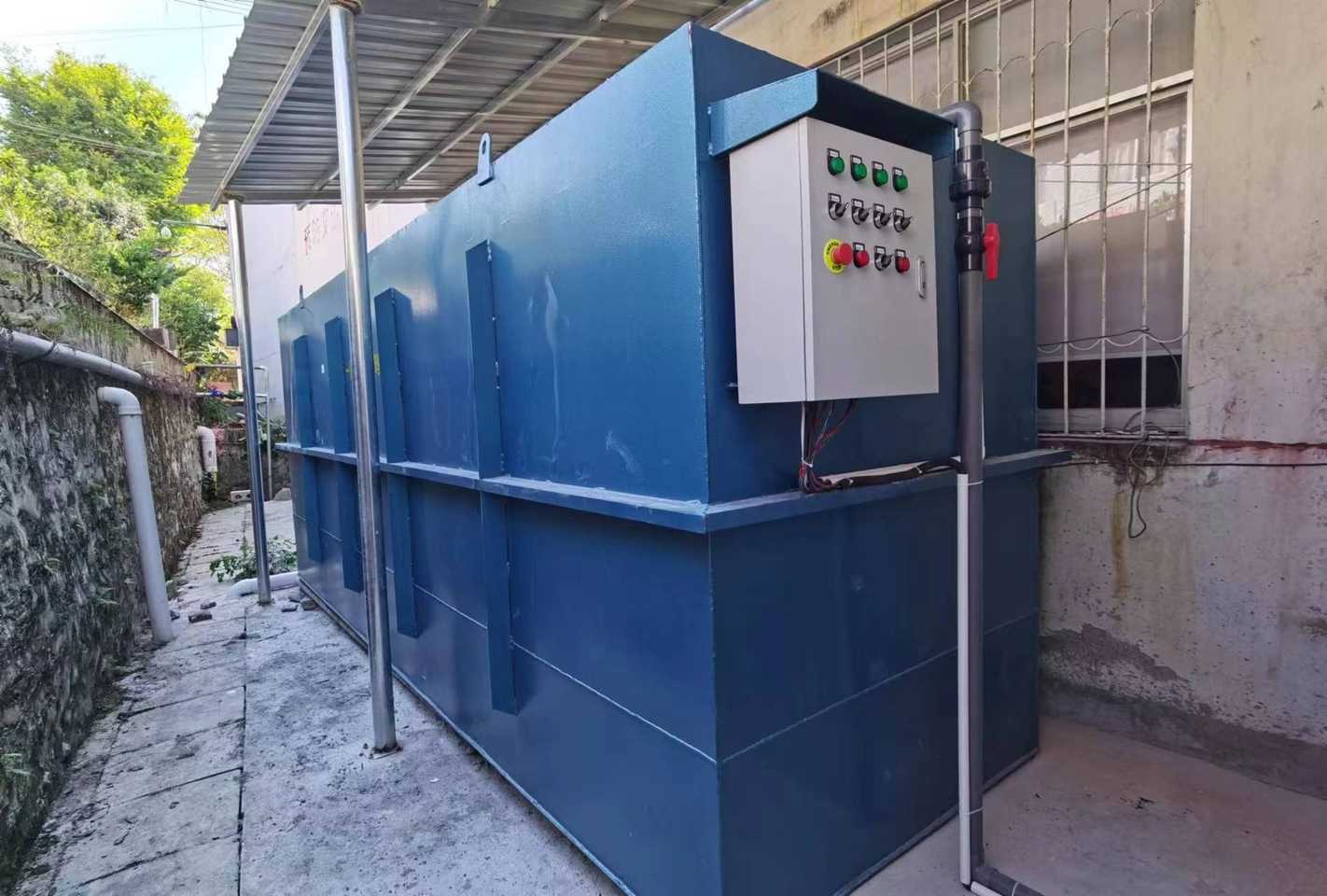
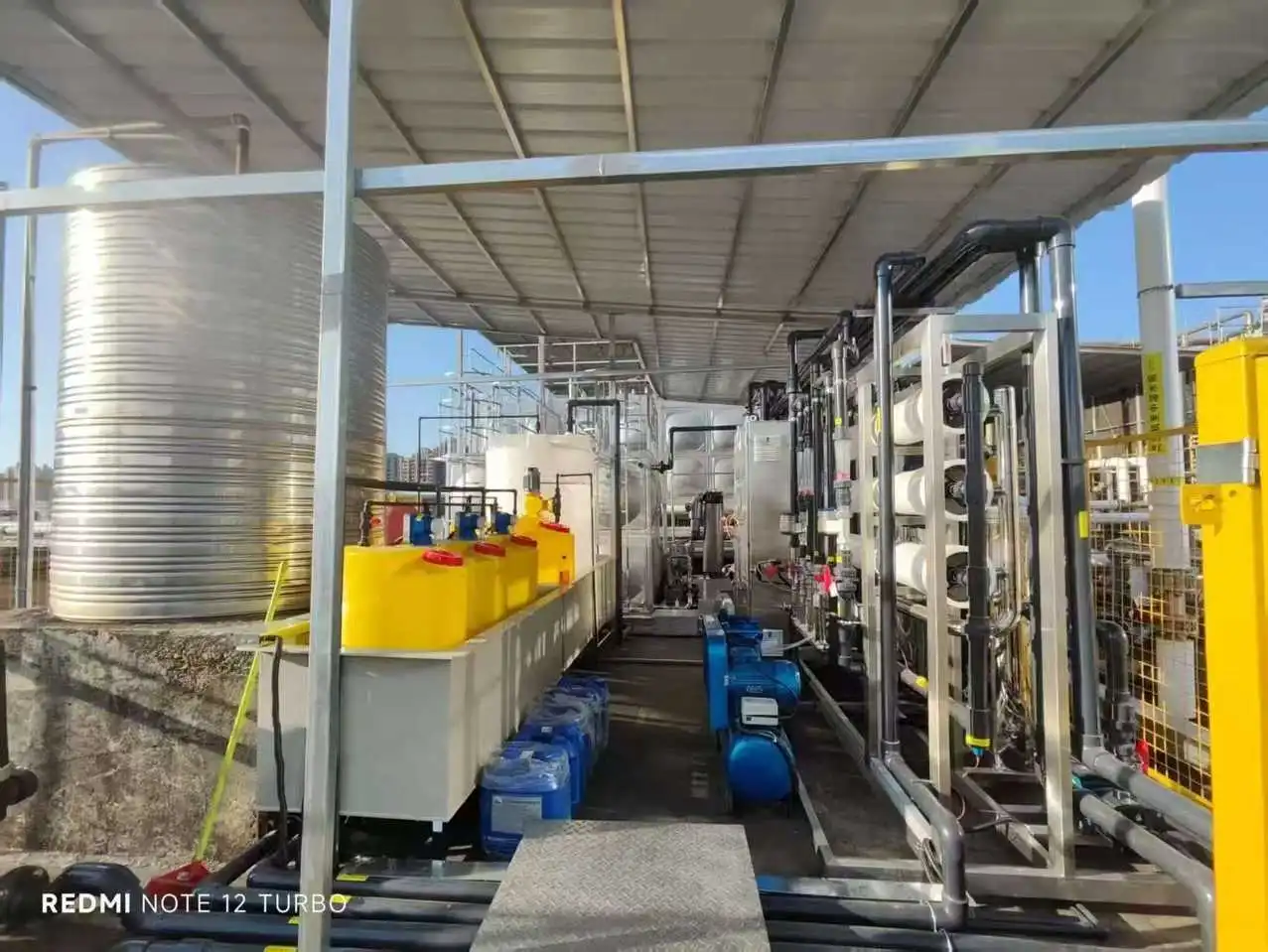
I know how painful it is to watch gallons of water flow down the drain every day. It drives up your operating costs and puts you at risk with strict environmental laws, but I can help you turn that waste into a valuable resource.
A typical treatment process for food and beverage wastewater reuse generally consists of four main stages: preliminary screening to remove large solids, primary treatment like Dissolved Air Flotation (DAF) for oils, secondary biological treatment to break down organics, and tertiary polishing using membrane filtration to ensure the water is safe for reuse.
If you are new to this, the technical terms might seem scary, but the logic is actually quite simple. Let me break down exactly how we design these systems so you can make the right choice for your factory.
What are the main stages in a standard food & beverage wastewater reuse process?
I explain this to clients all the time because understanding the flow is the first step to saving money. It is not magic; it is just a series of logical cleaning steps.
The main stages include Equalization to balance flow, Pre-treatment to remove grit and grease, Biological treatment to eat up organic waste, and Advanced Filtration to make the water crystal clear. Finally, Disinfection kills bacteria so the water is safe to use again.
When we look at the entire treatment train for food and beverage wastewater, we must view it as a peeling process. We peel away layers of contaminants step by step. If we try to do it all at once, the system will fail.
Preliminary and Primary Treatment
The first layer involves physical removal. Food wastewater is often full of “gross solids”—things like vegetable skins, plastic scraps, or grit. If these enter your pumps, they will break them. We use mechanical screens to catch these large items. Immediately after, we deal with one of the biggest headaches in food processing: Fats, Oils, and Grease (FOG). If you run a slaughterhouse or a dairy plant, FOG is your enemy. We typically use Dissolved Air Flotation (DAF) here. This machine blows tiny bubbles into the water. The bubbles attach to oil and suspended solids, floating them to the top where a skimmer scrapes them off. This step alone can remove a massive amount of the pollution load before it even reaches the biological stage.
Biological Treatment
This is the heart of the system. Food waste is high in organic matter like sugar and proteins (measured as BOD and COD). We cannot filter sugar out easily; we have to let bacteria eat it. In this stage, we create a tank full of “good” bacteria. We pump air into the water (aeration) to help these bacteria thrive. They consume the organic pollutants and convert them into harmless byproducts and more bacteria (sludge). For very high-strength wastewater, like from a distillery, we might use anaerobic treatment (without air) first. This is great because it lowers energy costs and can even produce biogas fuel for your factory.
Tertiary Polishing and Disinfection
Once the bacteria have done their job, the water is cleaner but not yet ready for reuse. It might still be cloudy or have invisible bacteria. This is where we use tertiary treatment. We often use sand filters or advanced membrane technologies like Ultrafiltration (UF) or Reverse Osmosis (RO) to remove the tiniest particles and dissolved salts. Finally, we must disinfect the water. We can use UV light or Chlorine to ensure no harmful pathogens remain. This makes the water safe to go back into your cooling towers or irrigation systems.
| Scène |
Main Purpose |
Typical Technology |
Target Contaminants |
| Preliminary |
Protect downstream equipment |
Bar Screens, Grit Chambers |
Rags, plastics, large food particles, sand |
| Primaire |
Remove solids and floatables |
Dissolved Air Flotation (DAF) |
Suspended solids (TSS), Fats, Oils, Grease (FOG) |
| Secondary |
Degrade dissolved organics |
Activated Sludge, MBR, Anaerobic Digesters |
Dissolved sugar, proteins, BOD, COD, Ammonia |
| Tertiary |
Final polishing for reuse |
Sand Filters, Ultrafiltration (UF), Reverse Osmosis (RO) |
Fine particles, bacteria, salts, remaining color |
How do I select the right treatment steps for my factory’s needs?
Many factory owners ask me for a “standard” machine, but I always tell them one size does not fit all. Your juice factory is different from a dairy plant, and your equipment must reflect that.
Selecting the right steps depends entirely on your raw water quality and what you want to use the treated water for. You need to analyze your specific contaminants, such as sugar or oil levels, and decide if the water will be used for irrigation, cooling, or washing.
At ROAGUA, we follow a strict protocol when a client approaches us, and you should use this same thinking process to select your system. It is never a guessing game; it is a math problem.
Analyzing the Source (The “Input”)
The first thing you must do is define exactly what is in your water. You cannot buy a machine based on a visual guess. A beverage plant might have low solids but massive amounts of dissolved sugar (high BOD). A meat processing plant will have blood and fat.
- High FOG: If you have high grease, you must select a DAF system. Skipping this will clog your biological tanks in a week.
- High BOD/COD: If your organic load is over 5,000 mg/L, standard aeration will be too expensive due to electricity costs. You should select an Anaerobic Pre-treatment step to reduce the load cheaply before the aerobic stage.
- Variable Flow: Does your factory wash down equipment all at once at 5 PM? If so, you need a large Equalization Tank to store that water and feed it slowly to the treatment plant.
Defining the Goal (The “Output”)
Next, ask yourself: “What will I do with this water?” This decides the final price tag.
- Irrigation/Floor Washing: You usually only need Secondary Treatment followed by basic sand filtration and chlorination. The water doesn’t need to be drinking quality.
- Cooling Towers: You need to remove solids that could clog spray nozzles, so Ultrafiltration (UF) is a good selection.
- Process Reuse (Boiler Feed/Production): This is the highest standard. You will need Reverse Osmosis (RO) to remove salts and minerals. This is more expensive but saves the most fresh water.
We also have to look at your constraints. Do you have a large piece of land? If yes, a conventional lagoon system is cheap. If you are in a crowded industrial park, we must select compact technologies like MBR (Membrane Bioreactor) which save space but cost a bit more.
| Facteur |
Low Requirement Selection |
High Requirement Selection |
| Utilisation finale |
Landscape Irrigation |
Boiler Feed Water / Product Mixing |
| Space Available |
Large Sedimentation Tanks |
Compact MBR Modules |
| Budget |
Manual controls, Carbon steel |
PLC Automation, Stainless Steel 304 |
| La qualité d'eau |
Basic removal of solids |
Removal of dissolved salts (TDS) |
What technologies are commonly used in food & beverage water reuse systems?
You see many acronyms like MBR, RO, and UF, and it can get confusing quickly. I want to simplify these terms so you know exactly what you are paying for.
Common technologies include Dissolved Air Flotation (DAF) for removing grease, Membrane Bioreactor (MBR) for high-efficiency biological treatment, and Reverse Osmosis (RO) for deep cleaning. Anaerobic digesters are also popular for high-sugar wastewater because they can produce energy while cleaning the water.
In the food and beverage industry, we rely on a few “workhorse” technologies. These have been proven to handle the sticky, organic-heavy nature of food waste. Understanding the difference between them helps you judge if a supplier is offering you the right solution.
Biological Technologies
- Activated Sludge Process (ASP): This is the “old reliable” method. It uses large open tanks where air is bubbled in. It is cheap to build but takes up a lot of space and requires skilled operators to manage the bacteria health.
- Membrane Bioreactor (MBR): This is a modern upgrade to ASP. Instead of using gravity to separate the clean water from the sludge, we submerge membrane filters directly into the tank. This sucks the water out through microscopic pores.
Why choose MBR? It produces extremely high-quality water that is almost ready for reuse immediately. It also requires only half the space of a conventional system. For many of my clients in Asia who have limited factory space, MBR is the best choice.
-
- Anaerobic Digestion (UASB/EGSB): As mentioned before, this works without oxygen. It is excellent for breweries or starch factories. The technology uses granular sludge to digest waste. The byproduct is methane gas, which you can capture and burn to heat your boilers.
Physical/Chemical Technologies
- Dissolved Air Flotation (DAF): You will see this in almost every food plant. It uses a chemical coagulant to clump dirt together, and micro-bubbles to float it. It is the best way to remove grease (FOG).
- Reverse Osmosis (RO): This is the same technology used to desalinate ocean water. In reuse systems, it is the final polishing step. It forces water through a semi-permeable membrane that catches salts, viruses, and even pharmaceutical residues. If you want to reuse water in your high-pressure boilers, RO is mandatory because it removes the minerals that cause scale buildup.
| Technologie |
Best Used For |
Pros |
Cons |
| DAF |
Removing Oils, Grease, Fats |
Very efficient for solids; protects biological tanks |
Requires chemicals; creates sludge to dispose of |
| Mbr |
Biological Treatment in small spaces |
Excellent water quality; small footprint |
Membranes need chemical cleaning; higher energy cost |
| RO |
Final polishing for high-grade reuse |
Removes almost all impurities including salt |
High energy use; produces brine wastewater |
| Anaerobic |
High strength organic waste (High COD) |
Low energy use; produces biogas energy |
Slow startup; sensitive to temperature changes |
How can I ensure consistent water quality throughout the treatment process?
Buying the machine is the easy part; keeping it running efficiently is the real challenge. I want you to have peace of mind that your water is always safe.
Ensuring consistent quality requires a mix of good design, real-time monitoring, and regular maintenance. You should use online sensors to track pH and flow rates automatically, and follow a strict schedule for cleaning filters and membranes to prevent clogging and downtime.
Many of my customers worry that they lack the expertise to run a water treatment plant. They fear the water quality will fluctuate, damaging their production equipment. This is a valid concern, but we solve it through automation and strict protocols.
The Role of Automation and Monitoring
You cannot rely on a worker checking the tank once a day. Modern systems use the “IoT” (Internet of Things). We install sensors that monitor Critical Control Points (CCPs) 24/7.
- pH Meters: Bacteria are sensitive. If an acidic spill from your factory hits the treatment tank, it can kill the biology. An automated pH meter will detect this and instantly dose an alkaline chemical to neutralize it before damage occurs.
- Turbidity Sensors: These measure how cloudy the water is. If a filter breaks, the turbidity will spike. The system can automatically shut down the reuse pump so dirty water doesn’t enter your factory, sending an alarm to your phone instead.
Maintenance is Key (CIP Systems)
Consistency comes from cleanliness. Membrane technologies like MBR and RO will eventually foul (get clogged) with organic matter. If you wait until they are blocked, it is too late. We design systems with Clean-In-Place (CIP) capabilities. This means the machine can clean itself. It circulates a cleaning solution through the membranes to dissolve buildup without the operator needing to take anything apart.
Training Your Staff
Even the best machine needs a human. Part of ensuring quality is having a supplier who trains your team. Your operators don’t need to be chemists, but they need to know what a “healthy” system looks like. They need to know how to read the pressure gauges and check the sludge color. A sudden change in pressure is an early warning sign that quality is about to drop. Catching it early saves money and ensures the water remains compliant.
Troubleshooting Common Quality Issues
| Symptom |
Probable Cause |
Corrective Action |
| Bad Odor (Rotten Eggs) |
Anaerobic conditions in aerobic tank |
Increase aeration (blowers); check for dead zones |
| High Turbidity (Cloudy Water) |
Clarifier failure or filter breakthrough |
Check chemical dosing pumps; backwash filters |
| Low Flow Rate |
Membranes are fouled |
Initiate Chemical Cleaning (CIP); check pre-treatment |
| Foaming in Tanks |
Bacterial stress or detergent overload |
Use anti-foam chemicals; reduce production detergent waste |
Investing in a wastewater reuse system is not just about following the law; it is a smart business move that lowers your long-term costs. By understanding the stages, selecting the right technology, and maintaining the system, you turn a liability into an asset.
Would you like me to review your current water quality report and suggest a custom treatment flow for your factory?