Muchos propietarios de fábricas luchan contra el aumento de las facturas de agua y las normas de descarga cada vez más estrictas. Es posible que ya tengas un sistema de reutilización de agua de proceso implementado, o está considerando uno, pero persiste una pregunta crítica: ¿Realmente necesito ósmosis inversa (RO) o es suficiente la filtración estándar?
Deberías usar RO en sistemas de reutilización de agua de proceso cuando su aplicación requiere la eliminación de sales disueltas, minerales y contaminantes microscópicos que las tecnologías de filtración convencionales no pueden manejar. La RO es esencial para aplicaciones de alta pureza, como agua de alimentación de calderas, enjuague industrial y situaciones en las que el agua reutilizada debe cumplir con estándares casi potables o de contacto con el producto.
Analicemos cómo decidir si la ósmosis inversa es la inversión adecuada para su fábrica, de modo que evite gastar demasiado en equipos innecesarios o, peor aún, instalar un sistema que no cumpla con sus requisitos de calidad del agua.
¿Qué condiciones indican la necesidad de RO en los sistemas de reutilización de agua de proceso?
Si alguna vez ha observado el agua de proceso tratada y ha pensado: “Parece limpio. ¿No debería ser reutilizable?” usted no está solo. Este es uno de los malentendidos más comunes y costosos en la reutilización del agua industrial.
RO se vuelve necesario en sistemas de reutilización de agua de proceso cuando:
- El total de sólidos disueltos (TDS) supera 500–1000 mg/L
- La conductividad sigue siendo alta después del tratamiento convencional.
- Están presentes metales pesados como cromo, arsénico o níquel.
- La salinidad o la dureza amenazan los equipos posteriores
- Se aplican regulaciones de descarga cero de líquido (ZLD) o estrictas de reutilización.
- En ROAGUA, normalmente diseñamos RO como el paso de pulido final en un tren de tratamiento de reutilización de agua de proceso. Comprender la secuencia es fundamental.
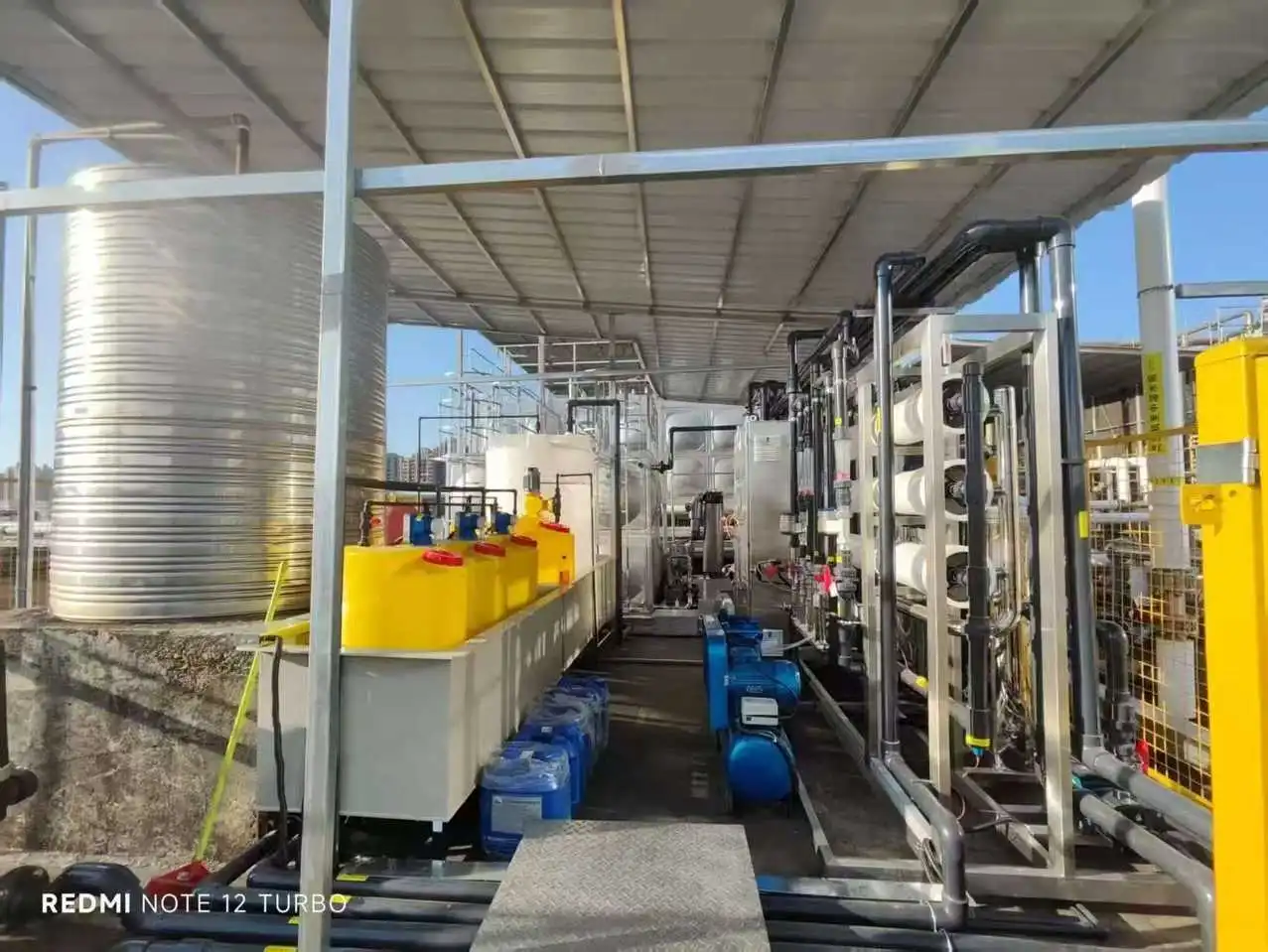
Dónde encaja la ósmosis inversa en un tren de tratamiento de reutilización de agua de proceso típico
Un diseño adecuado sistema de reutilización de agua de proceso sigue un orden claro:
- Primario & tratamiento biológico
Elimina la carga orgánica a granel y descompone los residuos del proceso.
- Filtración preliminar
Los filtros de arena eliminan los sólidos suspendidos; Los filtros de carbón eliminan olores, colores y residuos orgánicos.
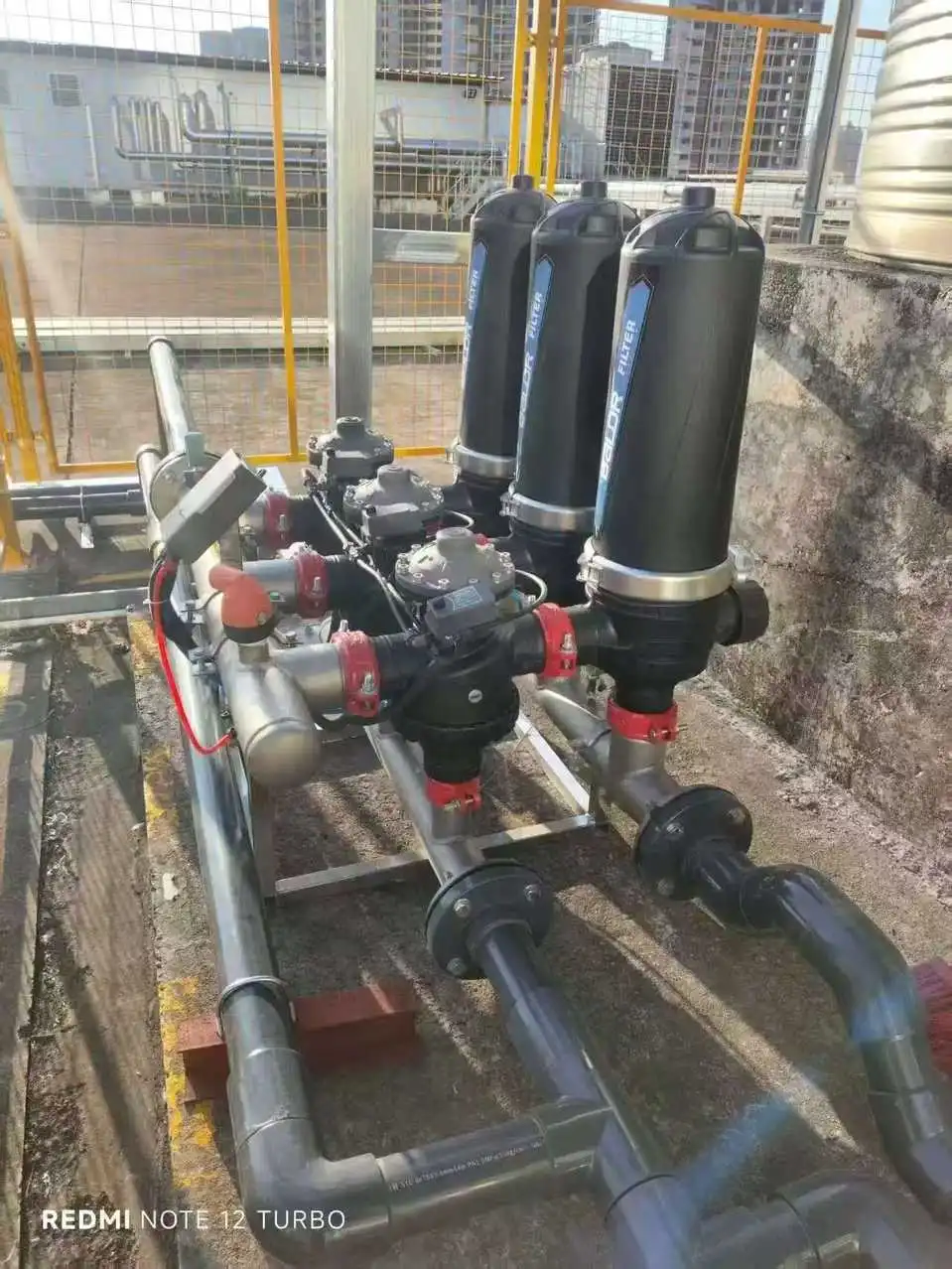
- Ultrafiltración (UF)
Elimina bacterias, coloides y sólidos finos en suspensión.
En esta etapa, el agua suele verse cristalina. Sin embargo, Claro no significa puro.
Las sales disueltas, los minerales duros y los metales pesados permanecen completamente disueltos, como el azúcar en el té. Ningún filtro de arena o membrana UF puede eliminarlos. Aquí es precisamente donde La RO se vuelve esencial en los sistemas de reutilización de agua de proceso.
Por qué la filtración estándar no es suficiente para la reutilización del agua de proceso
Muchas fábricas intentan reutilizar el agua de proceso utilizando únicamente UF. Si bien la UF es excelente para proteger el equipo contra incrustaciones, no puede eliminar los contaminantes disueltos.
Las membranas de RO operan a nivel molecular. Su tamaño de poro efectivo (~0,0001 micrones) permite el paso de las moléculas de agua mientras rechaza hasta 99% de las sales disueltas y contaminantes.
Si su análisis de agua muestra:
- Niveles elevados de cloruro o sulfato
- entonces la RO no es opcional: es la única barrera confiable que protege su equipo de producción.
Sin RO, las sales invisibles se acumulan dentro de las calderas, los intercambiadores de calor y las líneas de proceso, lo que provoca incrustaciones, corrosión y tiempos de inactividad inesperados.
Cómo los requisitos de uso final definen el diseño del sistema de reutilización del agua de proceso
El verdadero factor determinante de la decisión no es qué tan limpia es el agua. aspecto, pero cómo piensas reutilizarlo.
Reutilización de baja calidad (normalmente no se requiere ósmosis inversa)
- El uso de RO en este caso suele ser innecesario y antieconómico.
Reutilización de alto grado (RO es esencial)
- Agua de alimentación de calderas
- Procesamiento de alimentos y bebidas.
- Fabricación farmacéutica o electrónica.
- Enjuague industrial sin manchas
Tomemos como ejemplo el agua de alimentación de la caldera. Incluso una dureza moderada provoca la formación de incrustaciones cuando se calienta el agua. Las incrustaciones actúan como aislante, aumentan el consumo de combustible y eventualmente dañan los tubos de las calderas. En estas aplicaciones, Sistemas de reutilización de agua de proceso basados en RO No son un lujo: son una salvaguardia.
Indicadores clave de calidad del agua que se deben probar antes de elegir RO
Antes de finalizar su Diseño de sistema de reutilización de agua de proceso., prueba de:
- Conductividad – Indica el contenido iónico total
- SDT – Medición directa de sólidos disueltos
- Dureza – Riesgo de incrustación de calcio y magnesio.
- trazas de compuestos orgánicos – Crítico para plantas de alimentos, bebidas y farmacéuticas.
Si alguno de estos parámetros excede sus límites de uso final, la RO es la barrera final necesaria.
RO vs UF en sistemas de reutilización de agua de proceso
| Característica |
UF |
RO |
| Sólidos en suspensión |
Excelente |
Excelente (requiere tratamiento previo) |
| Eliminación de bacterias |
Muy bien |
Excelente |
| Sales disueltas (TDS) |
❌No |
✅ Sí (95–99%) |
| Eliminación de dureza |
❌No |
✅ Sí |
| Presión de funcionamiento |
Bajo |
Alto |
| Aplicaciones típicas |
Enfriamiento, lavado |
Calderas, agua de proceso. |
Si su objetivo es agua reutilizada estable y de alta calidad, RO completa lo que UF no puede.
Pros y contras de los sistemas de reutilización de agua de proceso basados en RO
Ventajas
- Produce agua de proceso consistente y de alta pureza.
- Protege calderas y equipos de producción.
- Reduce las tarifas de compra y descarga de agua dulce.
- Admite el cumplimiento de ZLD
- Mejora la confiabilidad operativa a largo plazo
Desafíos
- Requiere limpieza química y monitoreo.
- Genera concentrado de RO que debe gestionarse
A pesar de estas compensaciones, la mayoría de las fábricas descubren que la RO se amortiza a través de un menor tiempo de inactividad, menores costos de agua y un mejor cumplimiento.
Optimización de los sistemas de reutilización de agua de proceso para la industria alimentaria
En las plantas de alimentos y bebidas, la fiabilidad y la higiene del sistema no son negociables. El tiempo de inactividad significa pérdida de producción y la mala calidad del agua pone en riesgo la seguridad del producto.
Para optimizar el rendimiento de RO:
- Fuerte pretratamiento
La UF es fundamental para prevenir la contaminación biológica de las membranas de ósmosis inversa.
- Monitoreo continuo
Realice un seguimiento de los diferenciales de presión para detectar incrustaciones a tiempo.
- Diseño de limpieza in situ (CIP)
Permite la higienización sin desmontar el equipo.
- Selección de productos químicos de calidad alimentaria.
Los antiincrustantes y limpiadores deben cumplir con los estándares de la industria alimentaria.
Cuando están protegidas adecuadamente, las membranas de RO en sistemas de reutilización de agua de proceso Puede durar de 3 a 5 años con un rendimiento estable.
No se requiere RO en todas las aplicaciones, pero es indispensable cuando sistemas de reutilización de agua de proceso debe entregar agua con bajo TDS, estable y segura para el equipo. Si su fábrica depende de calderas, procesos de producción sensibles o enfrenta escasez de agua y límites de descarga, la ósmosis inversa es la tecnología que hace que la reutilización sea viable y sostenible.
Si está planificando o actualizando un proyecto de reutilización de agua de proceso, ROAGUA puede ayudarle a diseñar un sistema que cumpla con sus objetivos de calidad sin costos innecesarios.