December 26, 2025     Publicado por :

At ROAGUA, we see factories wasting tons of water daily, driving up operational costs. We design systems to capture that waste and turn it into profit, ensuring your production line never stops due to shortages.

A water reuse system in the food and beverage industry is a specialized treatment process that captures, cleans, and recycles wastewater from production lines. It transforms effluent into high-quality water for non-potable uses like cleaning, cooling, or irrigation, significantly reducing freshwater dependency and operational costs.

Let’s explore how this technology works and why it is becoming an essential asset for modern production facilities.

How can I identify the main benefits of a water reuse system for my food & beverage business?


When we helped Coca-Cola install their system, they were shocked by the immediate savings. High water bills hurt your bottom line, but recycling changes everything, turning a monthly expense into a recoverable asset.

The main benefits include drastic reductions in freshwater purchase costs and wastewater discharge fees. Additionally, these systems ensure a stable water supply during shortages, improve your company’s sustainability rating, and ensure compliance with increasingly strict environmental regulations regarding industrial effluent.

Understanding the Return on Investment (ROI)

In our years of exporting to markets like Southeast Asia and Africa, we have observed that business owners often hesitate due to the initial capital expenditure. However, the financial logic of a water reuse system is undeniable when you look at the long-term operational costs. In the food and beverage sector, water is not just a utility; it is a primary ingredient and a critical cleaning agent.

When you implement a reuse system, you are essentially cutting your water bill from two ends. First, you reduce the volume of municipal water you need to buy. Second, and often more importantly, you drastically lower the volume of wastewater you discharge. In many countries we serve, such as Australia and Saudi Arabia, discharge fees are rising faster than inflation. By treating and recycling your water, you avoid these punitive costs.

Water Security and Operational Resilience

Beyond money, there is the issue of risk. We have seen production lines in water-scarce regions grind to a halt because the municipal supply was throttled. A water reuse system acts as an insurance policy. By closing the loop, you become less dependent on external infrastructure.

For example, cooling towers and boiler feed systems consume massive amounts of water. If you can recycle your process water to feed these non-product-contact applications, your core production remains safe even during a drought.

Environmental Stewardship and Brand Value

Modern consumers scrutinize the environmental footprint of the brands they support. Using a water reuse system allows you to market your products as environmentally responsible. This is not justgreenwashing; it is a tangible commitment to sustainability. Below is a breakdown of how different benefits impact your business model:

Benefit Category Direct Impact Long-Term Value
Ahorro de costes Reduced monthly water bills and sewer discharge fees. Lower cost per unit of production, increasing overall profit margins.
Operational Stability Reduced dependence on municipal water supply fluctuations. Ensures continuous production during droughts or infrastructure disruptions.
Compliance Meets local wastewater discharge standards (e.g. COD, BOD limits). Avoids fines, legal risks, and production shutdowns; easier permit renewals.
Brand Image Demonstrable reduction in water consumption and footprint. Improves attractiveness to eco-conscious customers, partners, and investors.


El “Coca-ColaEffect

We mentioned earlier our experience assisting major players like Coca-Cola. The scale of their operations means that even a 10% increase in water efficiency translates to millions of liters saved annually. However, you do not need to be a multinational giant to see these benefits. Whether you are a mid-sized juice factory in the Philippines or a brewery in South Africa, the principle remains the same: every drop recycled is money saved.

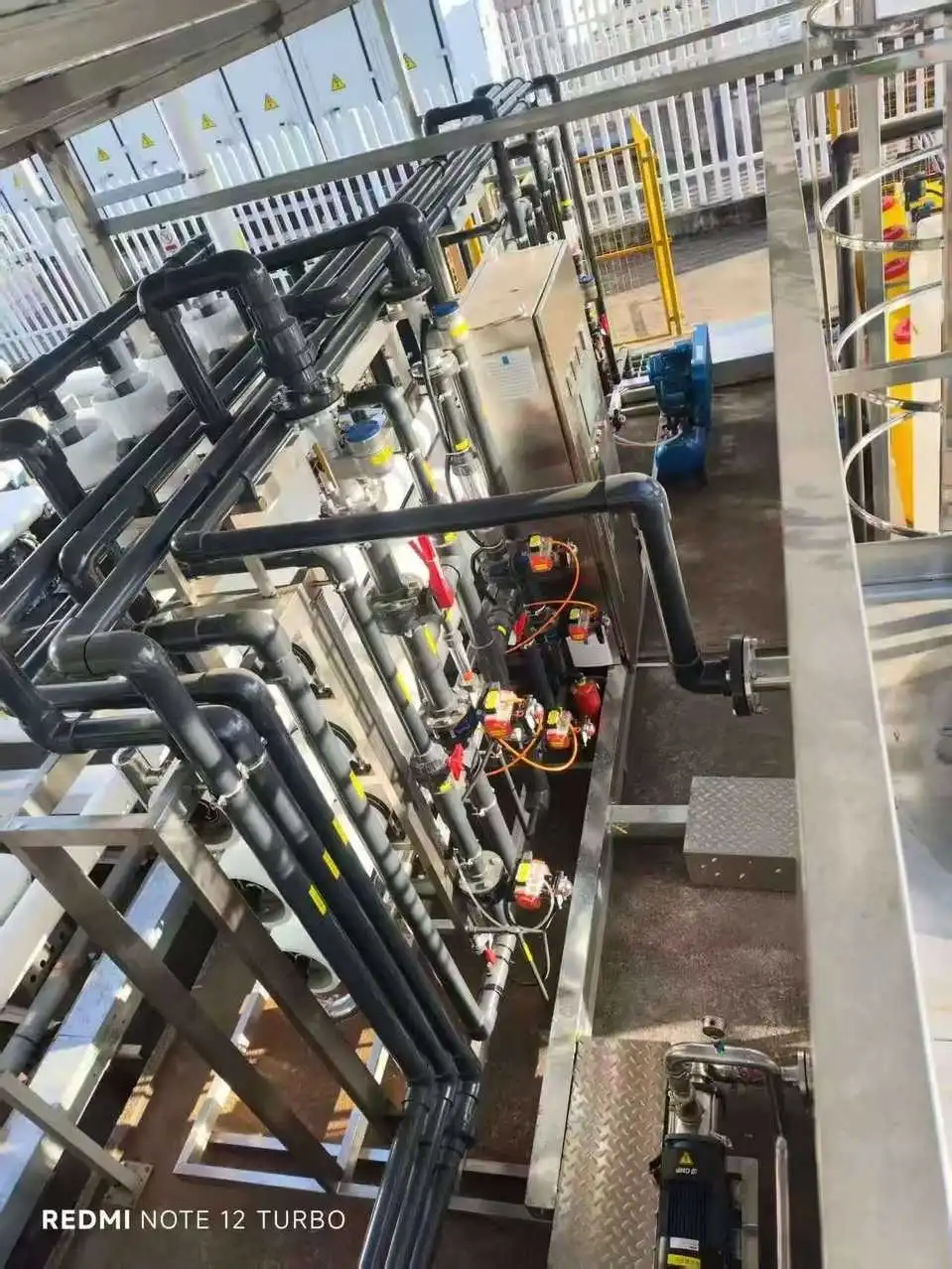
Water Reuse System

What steps should I take to evaluate if a water reuse system fits my production needs?

Our engineers always ask for your raw water report before sketching a single blueprint. Without understanding your specific wastewater makeup, you risk buying the wrong equipment that fails to treat your specific contaminants.

To evaluate fit, first conduct a comprehensive water audit to map usage and waste streams. Next, analyze your wastewater quality through lab testing and define your target water quality standards. Finally, calculate the potential return on investment based on local water rates and discharge fees.

Step 1: The Comprehensive Water Audit

Before we can propose a solution, we need to know where your water is going. In our workshop, we often tell clients: “You cannot manage what you do not measure.” A water audit involves mapping every point of water use in your factory.

You need to identify:

  • Process Water: Water used in cooking, blanching, or mixing.
  • Utility Water: Water used for boilers and cooling towers.
  • Cleaning Water: CIP (Clean-in-Place) systems and floor washing.

By segregating these streams, we can identify which ones are easiest to treat. For instance, “greywater” from final rinses is much easier and cheaper to treat than water heavily laden with organic fats and oils.

Step 2: Analyzing the Raw Water Report

This is the most critical step. We require our clients to provide a detailed raw water quality report. In the food and beverage industry, wastewater is highly variable. A dairy plant’s effluent is high in fats and proteins, while a beverage bottling plant might have high sugar content or acidity.

If you send us a request without this data, any quote we give you is just a guess. We need to know parameters like Biological Oxygen Demand (BOD), Chemical Oxygen Demand (COD), Total Suspended Solids (TSS), and pH levels. This data dictates whether you need a simple filtration system or a complex biological reactor.

Step 3: Defining the Target Standard

Once we know what is in the water, we need to know what you want to do with it. Do you want to use it for washing floors? Or do you want to feed it back into the boiler?

Different applications have different standards.

  • Low-Grade Reuse: Irrigation, floor washing. Requires basic filtration and disinfection.
  • High-Grade Reuse: Boiler feed, cooling towers. Requires Reverse Osmosis (RO) to remove dissolved solids.

We work with your engineers to match the treatment technology to the end-use, ensuring you don’t overspend on unnecessary purification for water that will just be used to wash trucks.

Data Required for System Design

To help you prepare, here is a checklist of the data points our engineers need to design a system for you.

Data Parameter Why It Is Critical Typical Unit
Daily Flow Rate Determines the size (capacity) of the equipment. $m^3/day$ or GPD
Peak Hourly Flow Helps us design buffer tanks to handle surges. $m^3/hour$
BOD / COD Indicates the organic load; determines biological treatment needs. mg/L
TSS (Suspended Solids) Determines the type of pre-filtration required. mg/L
Fats, Oils, Grease (FOG) Critical for food plants; high FOG requires oil separators. mg/L
Target Application Dictates the final water quality required (e.g., Boiler vs. Irrigation). N/A

The Role of Pilot Testing

For complex waste streams, we often recommend a pilot test. This involves installing a small-scale version of the treatment unit at your facility. It proves that the technology works on your specific wastewater before you commit to the full investment. This is particularly useful for unique food products where the chemical makeup of the waste is not standard.

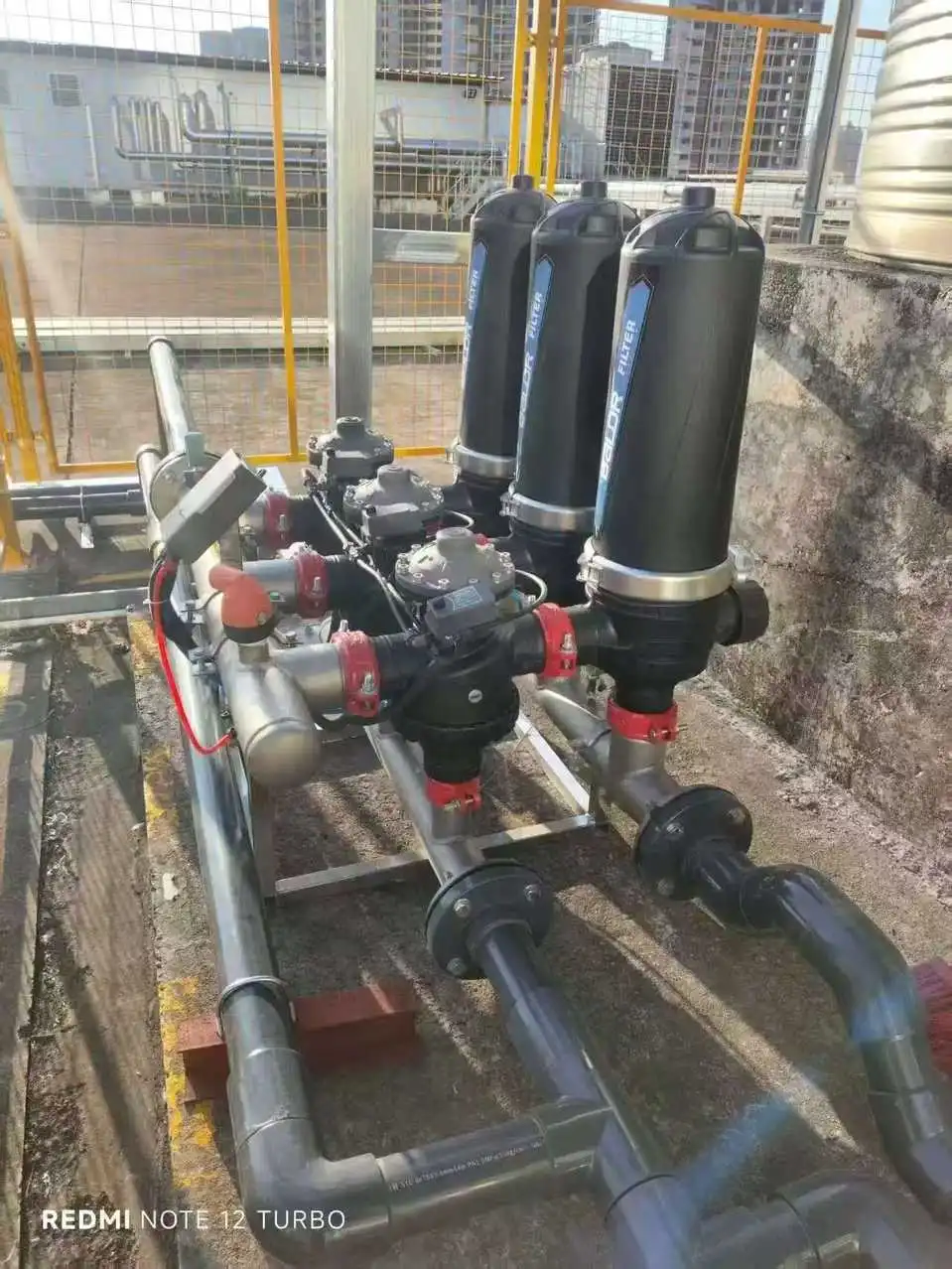
Disc filter

How do I ensure my water reuse system meets industry regulations and safety standards?

We know navigating compliance is a headache for plant managers. Failing a safety inspection shuts down production, so we prioritize regulatory adherence in every design, ensuring your recycled water is safe and certified.

Ensure compliance by integrating Hazard Analysis and Critical Control Points (HACCP) into your water management plan. You must regularly monitor chemical and microbial levels against local standards, use multi-barrier treatment technologies like Reverse Osmosis and UV disinfection, and maintain strict separation between potable and non-potable lines.

Integrating HACCP into Water Reuse

In the food industry, safety is non-negotiable. When we design systems for clients in strict regulatory environments like Europe or Australia, we integrate the water reuse system directly into their HACCP (Hazard Analysis and Critical Control Points) plan.

Water is a vector for contamination. If you reuse water, you must treat it as a critical control point. This means identifying potential hazards—biological, chemical, and physical—and establishing limits. For example, if you are reusing water for bottle washing, the system must have automatic shut-offs if the UV disinfection unit fails or if the turbidity spikes.

The Multi-Barrier Approach

We never rely on a single technology to ensure safety. We use a “multi-barrier” approach. This means placing several hurdles in the path of contaminants so that if one fails, the others catch the problem.

  1. Physical Barrier: Ultrafiltration (UF) or MBR removes suspended solids and bacteria.
  2. Chemical Barrier: Reverse Osmosis (RO) removes dissolved salts, heavy metals, and viruses.
  3. Disinfection Barrier: UV light or Ozone kills any remaining pathogens and prevents regrowth in the pipes.

This redundancy is essential. In our experience, relying solely on chlorination is risky because it can create harmful byproducts when it reacts with organic matter in food wastewater.

Monitoring and Automation

You cannot manage safety with a clipboard and a pen anymore. Modern systems must be automated. Our ROAGUA systems come equipped with online sensors that monitor water quality in real-time.

  • Conductivity Meters: Check for dissolved solids.
  • Turbidity Meters: Check for clarity.
  • pH Sensors: Ensure the water isn’t too acidic or alkaline.

If any parameter goes out of spec, the system automatically diverts the water back to the start of the treatment process or to the drain. It never reaches the clean water tank. This “fail-safe” design is what allows plant managers to sleep at night.

Cross-Connection Control

One of the biggest risks in a factory is a “cross-connection”—accidentally connecting a recycled water pipe to a potable (drinking) water pipe. This can cause mass illness.

To prevent this, we follow strict color-coding standards (usually purple pipes for recycled water) and use different threading or coupling types for recycled water outlets so that standard hoses cannot be attached. We also install backflow preventers to ensure that recycled water can never be pushed back into the city water supply.

Common Contaminants and Treatment Methods

Here is a quick guide to what we are removing from your water to make it safe.

Contaminant Type Source in F&B Removal Technology
Suspended Solids Vegetable scraps, soil, pulp. Screening, Sand Filters, Ultrafiltration.
Organics (BOD/COD) Sugars, proteins, starch, blood. MBR (Membrane Bioreactor), Biological Aeration.
Pathogens Bacteria, viruses from raw materials. UV Sterilization, Ozone, Chlorination.
Dissolved Salts Cleaning chemicals, source water minerals. Reverse Osmosis (RO).
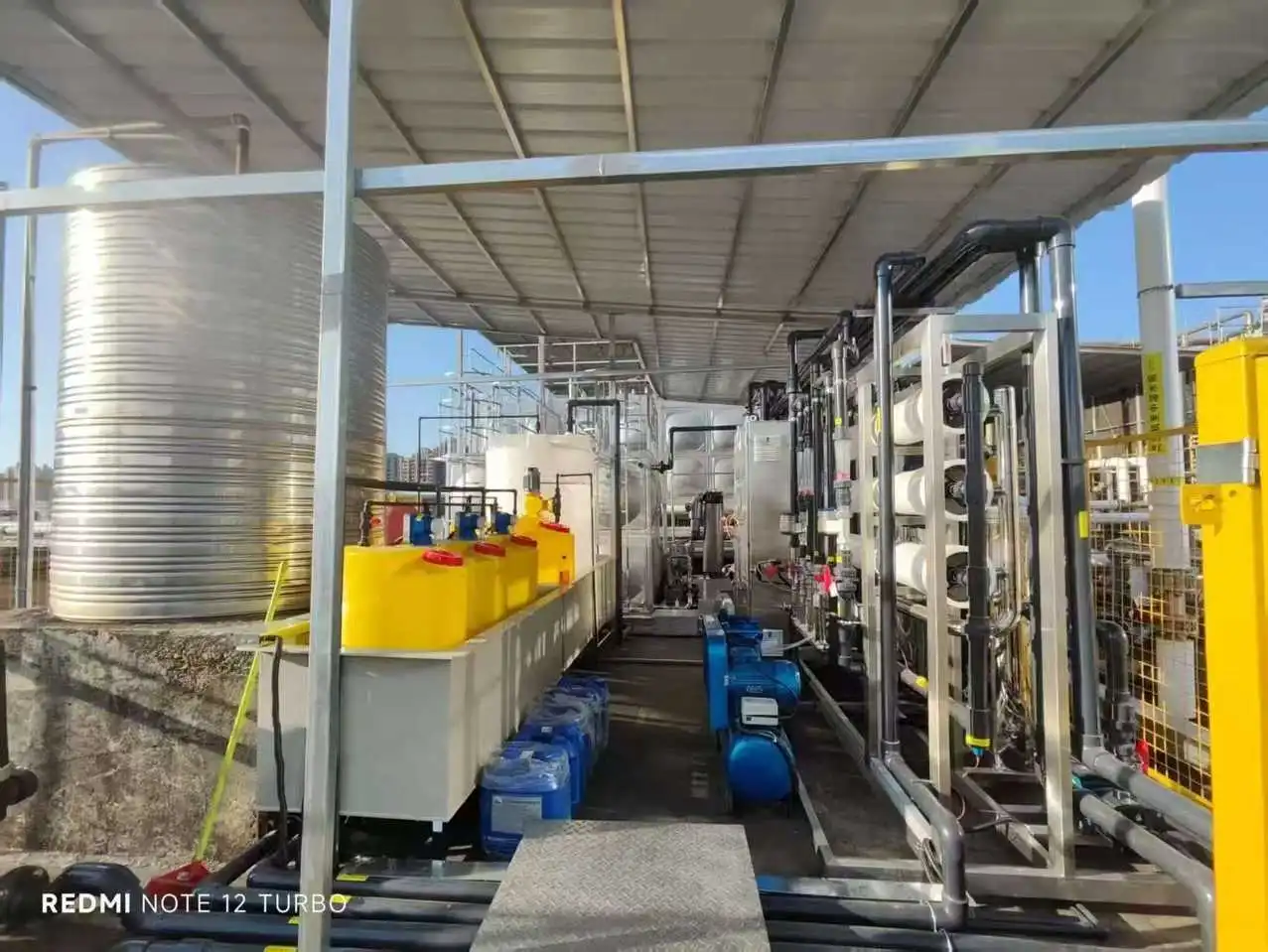
water recycling system

What common challenges might I face when implementing a water reuse system in my factory?

In our experience exporting to Africa and Southeast Asia, we see clients struggle with maintenance. Complex systems can fail without proper support, leading to costly downtime if your team isn’t prepared to manage the technology.

Common challenges include membrane fouling due to variable wastewater quality, high initial capital investment, and the need for skilled operators. Furthermore, navigating complex regulatory permitting processes and managing internal staff perceptions regarding the safety of recycled water can pose significant hurdles during implementation.

The Challenge of Membrane Fouling

The number one technical headache in food and beverage water reuse is fouling. Food wastewater is “rich”—it is full of proteins, fats, sugars, and biological matter. These substances love to stick to filtration membranes.

If you pump oily water directly into a Reverse Osmosis system, you will destroy the membranes in days. This is why Pre-treatment is the most expensive and important part of the system.
Fat/Oil Removal: We often have to install Dissolved Air Flotation (DAF) units to skim off grease before it hits the filters.
Biological Fouling: Bacteria grow fast in nutrient-rich water. We use biocides and regular CIP (Clean-In-Place) cycles to keep membranes clean.

We advise our clients: do not skimp on the pre-treatment. Saving money there will cost you double in membrane replacements later.

Operational Skill Gaps

A water reuse system is a mini chemical plant. It is not a “set and forget” appliance like a refrigerator. We often find that factory owners in regions like Kenya or Vietnam buy the equipment but lack the skilled engineers to run it.

If the pH balance is off, or the dosing pump runs dry, the system fails.
Our Solution:We focus heavily on training. When we commission a system, we train your local operators on daily maintenance, reading the gauges, and basic troubleshooting. We also provide remote support via WhatsApp or video call—something our clients like John find invaluable when a red light starts flashing on the panel.

Economic and ROI Hurdles

While the long-term savings are clear, the upfront cost is high. For a small to medium-sized enterprise (SME), finding the cash flow for a $50,000 or $100,000 system is difficult.
Hidden Costs: It’s not just the machine. You need piping, civil works (concrete tanks), and electrical upgrades.
ROI Timeline: Depending on local water prices, the payback period can range from 18 months to 5 years.

We help clients overcome this by calculating a detailed ROI analysis they can present to their banks or investors. We show exactly how the reduction in discharge fees and freshwater purchases pays for the lease or loan of the equipment.

Managing Perception and “The Yuck Factor”

Even if the water is technically cleaner than tap water, people can be squeamish about “recycled sewage.” This is often called the “yuck factor.”
Internal Staff: Your workers might be afraid to use the water for washing down equipment.
Consumers: If word gets out you are using recycled water, consumers might misunderstand and think it is going into the food.

Transparency is key. We recommend labeling the water clearly (e.g., “Industrial Process Water”) and educating your staff that this water is treated to a standard higher than river water. Never use recycled water for direct product contact (like an ingredient) unless you have a highly advanced, certified potable reuse system—which is rare and expensive. Stick to non-contact uses to minimize risk and perception issues.

Water reuse systems save money and secure your future. Contact us today to analyze your water quality and design a custom solution for your factory.

waste disposal system of food industry