Are you worried about failing health audits because of poor wastewater treatment? Picking the wrong disinfection method can cause fines. I can help you find the right fit today.
For a 50 to 200-bed hospital, UV light and sodium hypochlorite are the best and most practical choices. UV is great for clear water with no chemicals. Sodium hypochlorite is cheap and leaves a protective residual. Chlorine dioxide is powerful but needs expert handling.
Choosing the right system for your hospital is not just about buying a machine. It is about keeping your staff safe, meeting strict local laws, and controlling your monthly budget. I know that hospital directors face a lot of pressure. You need a system that works perfectly every day. Let us look closer at how these three options compare so you can make the right choice for your clinic.
Which disinfection system is the safest for my staff to operate daily?
Chemical spills can shut down your hospital operations. You need a system that keeps your workers out of danger. Let me show you the safest option for your team.
UV disinfection is the safest system for daily operation because it uses no dangerous chemicals. Your staff only needs to clean the lamps and change them sometimes. Sodium hypochlorite requires careful handling of corrosive liquids, while chlorine dioxide needs strict safety rules.
The Danger of Complex Chemicals
Hospital staff are usually busy with medical duties. They are not chemical engineers. I always tell my clients that safety must come first. When you use chlorine dioxide, you must make it on-site. This process creates toxic gases if something goes wrong. Your hospital team needs special training to handle it safely. Most small to medium hospitals do not have the time or staff for this.
Why UV is the Safest Choice
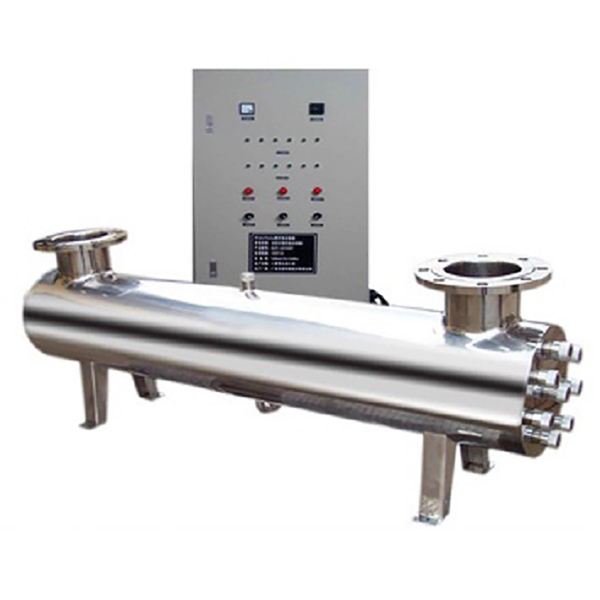
UV light is very simple. The water flows through a steel tube. The UV lamps shine light into the water. The light kills the germs. There are no chemicals to mix. There are no toxic gases. There is nothing to spill on the floor. Your maintenance team only needs to wipe the glass tubes clean. They also need to change the light bulbs once a year. This makes UV the safest choice for a hospital with limited technical staff.
The Middle Ground: Sodium Hypochlorite
Sodium hypochlorite is also called liquid bleach. It is less dangerous than chlorine dioxide. But it is still a strong chemical. It has a strong smell. It can burn skin and eyes. It is also very corrosive. This means it can slowly destroy metal pipes and sensitive equipment in your hospital over a long time.
Comparing Safety Risks
I want you to see the differences clearly. Here is a simple table that shows the safety risks for your daily operators.
| Disinfection Method |
Daily Handling Risk |
Risk of Toxic Fumes |
Equipment Damage Risk |
Staff Skill Needed |
| ضوء الأشعة فوق البنفسجية |
منخفض جدًا |
لا أحد |
منخفض جدًا |
Basic |
| Sodium Hypochlorite |
واسطة |
قليل |
High (Corrosive) |
واسطة |
| Chlorine Dioxide |
عالي |
عالي |
قليل |
عالي |
I always recommend UV if you want the absolute safest environment for your workers. You just plug it in and let it work.
How can I effectively kill antibiotic-resistant bacteria in my medical wastewater?
Superbugs are a massive threat to public health. If your wastewater system fails to kill them, your hospital could spread diseases. I know how to stop this problem completely.
You can kill antibiotic-resistant bacteria by using a Membrane Bioreactor (MBR) combined with UV light. The MBR filters out most solids, making the water clear. Then, the UV light attacks the DNA of the remaining bacteria and viruses, destroying them completely.
The Threat of Hospital Superbugs
Medical wastewater is not like normal toilet water. It is full of antibiotics, chemical waste, and very strong bacteria. These bacteria are very dangerous. We call them superbugs. Normal cleaning methods often fail to kill them. If these superbugs enter the local river or city sewer, the health department will fine your hospital. I see this happen to many clinics.
The Problem with Plain Chlorine
Many hospitals just dump cheap sodium hypochlorite into their dirty water. This does not work well. The dirt and solid waste in the water hide the bacteria. The chlorine attacks the dirt first. It never reaches the superbugs. Also, some germs like Cryptosporidium can survive in chlorine for a long time.
The Best Solution: MBR and UV Together
To solve this, we must clean the water in two steps. First, we use a Membrane Bioreactor. We call it an MBR system. The MBR acts like a very fine sieve. It traps the solid waste and lets only clear water pass through.
Next, we send this clear water through the UV system. Because the water is clear, the light can reach every single drop. The UV light destroys the DNA of the superbugs. They die instantly.
Custom Solutions for Your Needs
Sometimes, you might want extra protection. If you need to store the treated water in a tank before discharging it, germs can grow back. In this case, I tell my clients to use MBR, then UV, and then add a very small drop of sodium hypochlorite at the very end. The UV does the heavy lifting. The small drop of chlorine just keeps the water safe while it sits in the tank. We design the equipment to fit your exact situation.
What are the long-term chemical costs for different disinfection systems in my clinic?
High monthly running costs can ruin your hospital budget. Unplanned chemical expenses are a big headache. I will help you understand the real costs before you buy anything.
Sodium hypochlorite has the lowest setup cost, but you must buy chemicals every month. UV systems cost more to buy first, but only need cheap power and yearly lamp changes. Chlorine dioxide is the most expensive to set up and run.
How We Calculate Your Costs
Before I sell you any equipment, I need some data from you. My engineers need to see your detailed wastewater quality report. We need to know how much water you produce every day. We also need to know the final water standard you must reach.
When you give me this information, my team does the math. We provide a detailed solution. This solution includes the exact amount of chemicals you will use every month. We also give you the power consumption numbers. I do this so you have no surprises.
Breaking Down the Costs
Let us look at sodium hypochlorite first. The pump and tank are very cheap to buy. But you must buy heavy drums of chemicals every week or month. Transporting chemicals in Africa or the Middle East can be very expensive. The delivery costs add up quickly.
UV systems work differently. The steel reactor and the smart control box cost more money at the start. But UV does not use any chemicals. It only uses electricity. If your hospital has a stable power supply, UV is very cheap to run. You only need to buy new lamps once a year.
Chlorine dioxide is the most expensive. You must buy special raw chemicals. You also need a costly machine to mix them safely on your site. You have to pay skilled workers to watch the machine.
Long-Term Cost Comparison
Here is a table to help you see the long-term financial impact. This looks at a standard five-year period for a medium hospital.
| Cost Type |
ضوء الأشعة فوق البنفسجية |
Sodium Hypochlorite |
Chlorine Dioxide |
| Initial Setup Cost |
عالي |
قليل |
عالية جدًا |
| Monthly Chemical Cost |
صفر |
واسطة |
عالي |
| Power Cost |
واسطة |
قليل |
قليل |
| 5-Year Total Cost |
Lowest |
واسطة |
الأعلى |
If you want to protect your budget for the next five years, UV is usually the smartest investment. It stops the endless cycle of buying and shipping chemical drums.
Will my chosen disinfection method satisfy international health and safety audits?
Failing a health inspection can lead to huge fines and bad press. You cannot afford to use a non-compliant system. I design systems to pass any strict audit easily.
Yes, all three methods can pass health audits if designed correctly. However, our engineers must check your raw wastewater report, daily water volume, and local discharge rules. We customize your system so it always meets your local and international standards.
The Importance of Data and Automation
Inspectors do not just want to see a machine. They want to see proof that the machine works all the time. Hospitals often fail audits because they rely on manual work. If a worker forgets to add chlorine, the water becomes dangerous.
I build automated systems for my clients. You can press one button to start the machine. We install smart sensors in the pipes. These sensors check the water quality in real time. We call this digital hygiene. The control screen records all the data. When the health inspector arrives, you just show them the screen. They will see that your water is safe every single day.
Dealing with Disinfection By-Products
Auditors also check for toxic chemicals in the water. When you use a lot of sodium hypochlorite, it mixes with the organic waste in the water. This creates Disinfection By-Products. We call them DBPs. DBPs are toxic. Many environmental agencies will fine you if your DBP levels are too high.
UV light is fantastic for passing audits because it creates zero DBPs. It only uses light. Chlorine dioxide is also good because it creates fewer DBPs than normal sodium hypochlorite.
We Help You Pass the Test
You are the hospital director. You should focus on your patients, not on water chemistry. When you work with ROAGUA, we take care of the technical details. We test the equipment in our factory in China before we ship it to you. We provide all the inspection reports and quality certificates.
| Audit Requirement |
ضوء الأشعة فوق البنفسجية |
Sodium Hypochlorite |
Chlorine Dioxide |
| Kills Pathogens |
Yes (Excellent) |
Yes (Good) |
Yes (Excellent) |
| Creates Zero DBPs |
نعم |
No (Creates many) |
No (Creates few) |
| Automated Data Tracking |
Easy to add |
Easy to add |
Easy to add |
| Leaves Residual in Pipes |
لا |
نعم |
نعم |
We make sure you have the right documents. We make sure your system is easy to run. We make sure you pass your audit on the first try.
Choosing between UV, sodium hypochlorite, and chlorine dioxide depends on your specific hospital needs. Contact me today with your water report, and I will design the perfect system for you.