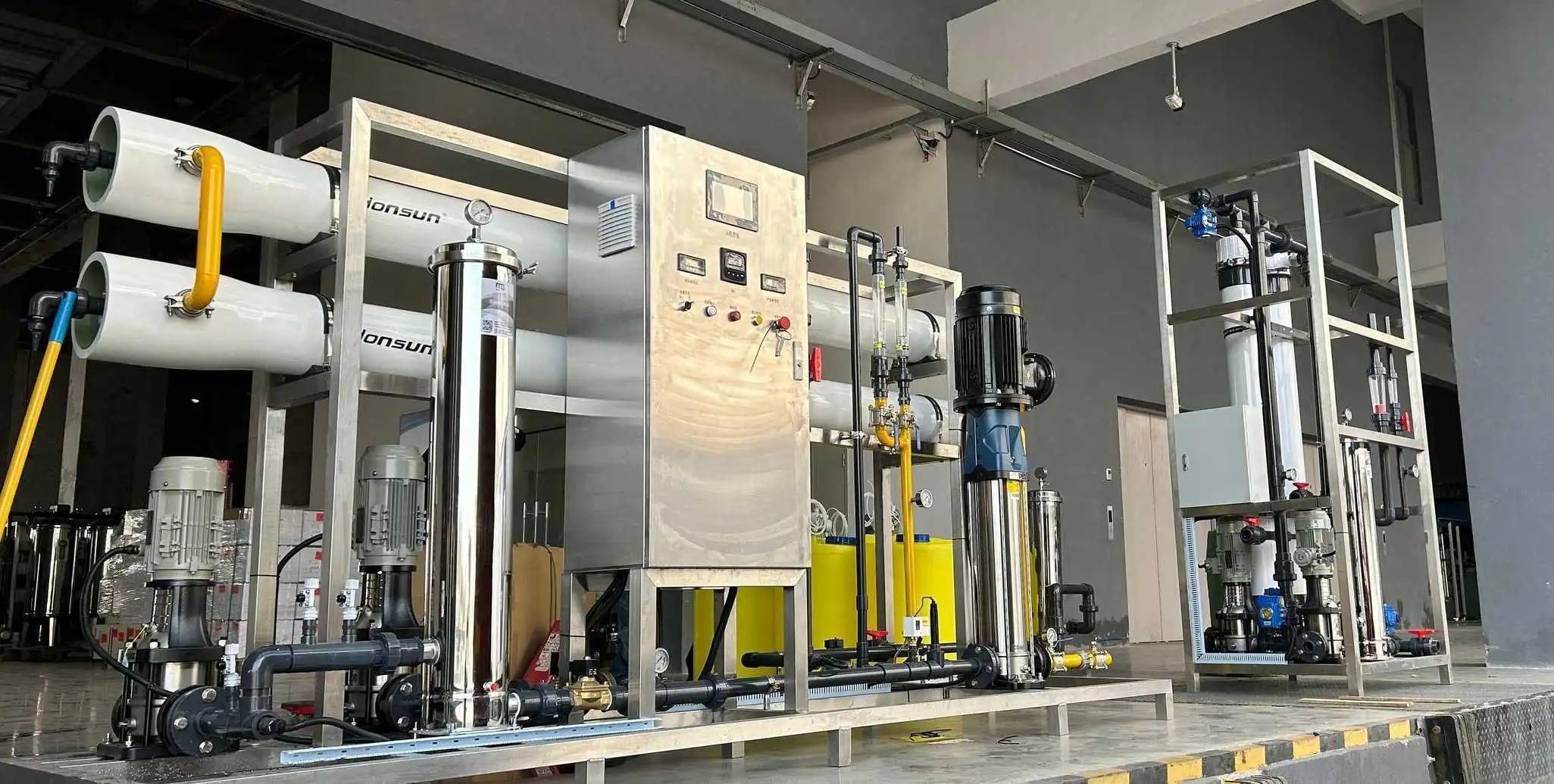
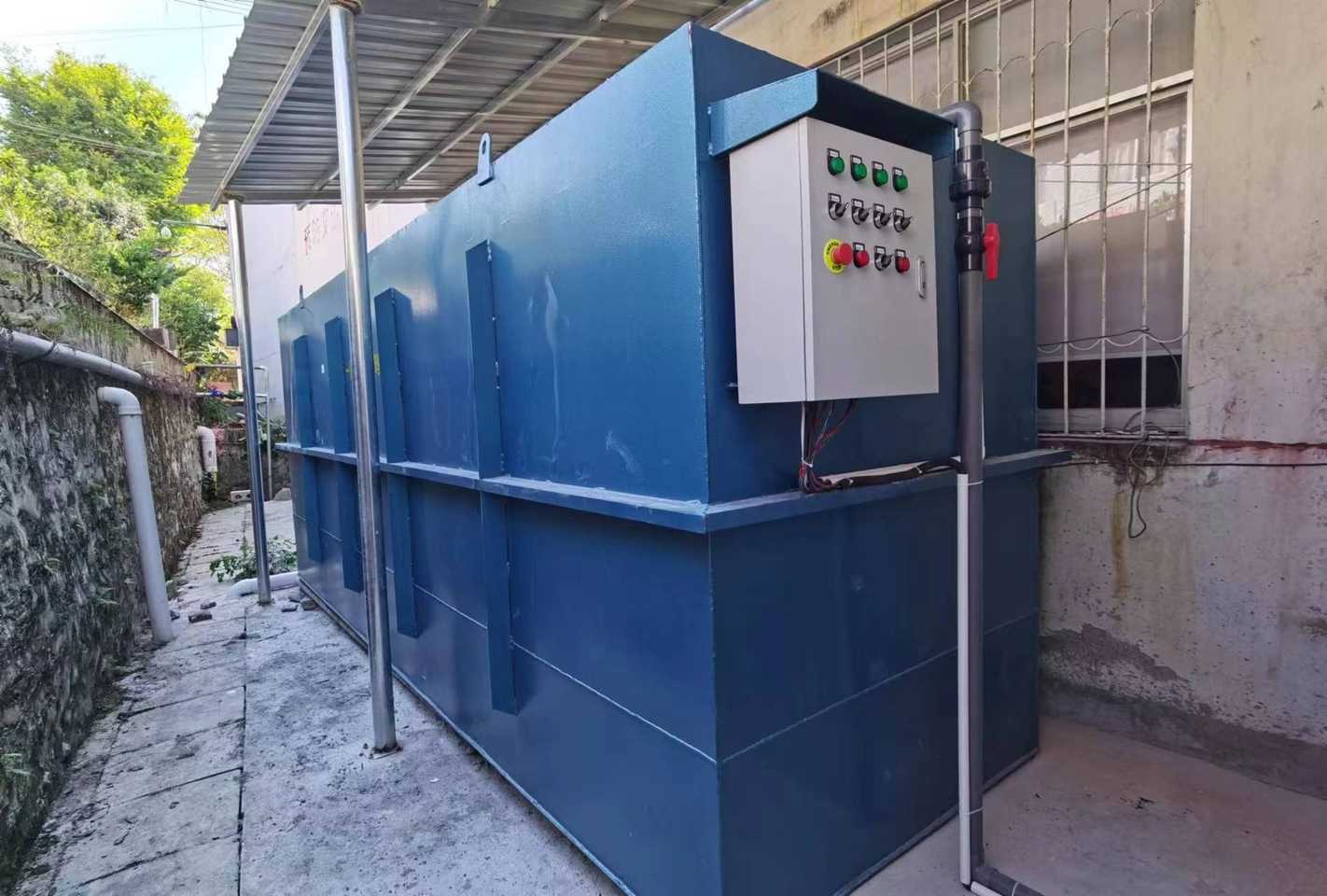
ما هي معايير جودة المياه التي يجب علي جمعها قبل البدء في تصميم نظام إعادة الاستخدام؟
هل تشعر بالإرهاق من المصطلحات الفنية عند طلب عرض أسعار؟ إذا أرسلت أرقامًا خاطئة، فستحصل على الجهاز الخطأ. دعونا نجعل هذا الأمر بسيطًا بالنسبة لك.
يجب عليك جمع خمس معلمات أساسية: مستوى الرقم الهيدروجيني، وإجمالي المواد الصلبة العالقة (SS)، والطلب على الأكسجين الكيميائي (COD)، والطلب على الأكسجين الكيميائي الحيوي (BOD)، وإجمالي المواد الصلبة الذائبة (TDS). بالإضافة إلى ذلك، تحتاج إلى قياس معدل التدفق ودرجة الحرارة. تخبرنا هذه الأرقام بالضبط عن مدى قذارة المياه.
عندما أتحدث إلى عملاء مثلك في صناعة المواد الغذائية، أول شيء أسأله هو: “ماذا يوجد في الماء الخاص بك؟” قد يبدو الأمر بسيطًا، لكن الإجابة تملي علينا كل ما نبنيه. لا يمكنك أن تقول فقط “إنها مياه قذرة.” نحن بحاجة إلى أن نعرف على وجه التحديد ما الذي يجعلها قذرة.
وأوضح المعلمات الخمس الكبرى
In the food and beverage industry, your water is very different from a textile factory or a mine. You have organic matter, fats, and oils. Here is a breakdown of the specific data points I need you to gather.
- COD (Chemical Oxygen Demand) and BOD (Biochemical Oxygen Demand)
These are the most critical numbers for food factories. They measure the amount of organic pollution in your water. If you process fruit, meat, or sugary drinks, your BOD and COD will be high. If we do not know these numbers, the bacteria in the treatment system might die, or the filters will get overwhelmed immediately.
- TSS (إجمالي المواد الصلبة العالقة)
هذا يقيس الجزيئات الفيزيائية العائمة في الماء. في مجال عملك، يمكن أن يكون هذا لب الفاكهة أو قطع الحبوب أو التربة. إذا كان TSS مرتفعًا، نحتاج إلى إضافة مرشح أولي أو خزان ترسيب. إذا تخطينا هذه الخطوة لأننا نفتقر إلى البيانات، فإن هذه المواد الصلبة سوف تمنع الأغشية الباهظة الثمن في نظام إعادة الاستخدام.
- TDS (إجمالي المواد الصلبة الذائبة) والموصلية
يمثل هذا الأملاح والمعادن الذائبة في الماء والتي لا يمكنك رؤيتها. وحتى لو بدت المياه صافية، فإن ارتفاع نسبة المواد الصلبة الذائبة يمنع إعادة استخدامها في الغلايات أو أبراج التبريد. نحتاج إلى هذا الرقم لتحديد ما إذا كنت بحاجة إلى تقنية التناضح العكسي (RO).
- مستوى الرقم الهيدروجيني
Is your water acidic or basic? Food fermentation often creates acidic water, while cleaning processes use strong alkaline soaps. We need to know the pH to select the right materials for the pipes and tanks so they do not corrode.
- Oil and Grease
For food processing, this is vital. Animal fats or vegetable oils can ruin water treatment membranes instantly. We must know the concentration of oil to install an oil separator before the main system.
Raw Water vs. Treated Effluent
Another major point you must clarify is the current state of the water. Are you giving us data for the water coming straight out of the factory (Raw Wastewater), or water that has already passed through a biological treatment plant (Treated Effluent/Middle Water)?
If you want a reuse system, we are usually treating “Middle Water” to make it high quality again. Below is a table showing why this distinction matters for your wallet.
| Data Source |
Typical Characteristics |
Impact on Design |
| Raw Wastewater |
Very high COD, solids, and oils. |
Requires heavy biological treatment and huge tanks. Most expensive to build. |
| Treated Effluent |
Lower COD, fewer solids, clearer appearance. |
Requires “تلميع” equipment like Ultrafiltration or RO. Cheaper to build. |
| صنبور الماء |
Clean, low TDS. |
Used as a baseline to understand what your factory puts into the water. |
If you provide the wrong data source, the design will be completely wrong. Always label your samples clearly.