Which water quality parameters should I collect before starting a reuse system design?
Do you feel overwhelmed by technical terms when asking for a quote? If you send the wrong numbers, you get the wrong machine. Let’s make this simple for you.
You must collect five core parameters: pH level, Total Suspended Solids (SS), Chemical Oxygen Demand (COD), Biochemical Oxygen Demand (BOD), and Total Dissolved Solids (TDS). Additionally, you need to measure the flow rate and temperature. These numbers tell us exactly how dirty the water is.
When I talk to clients like you in the food industry, the first thing I ask is: “What is in your water?” It sounds simple, but the answer dictates everything we build. You cannot just say “it is dirty water.” We need to know specifically what makes it dirty.
The Big Five Parameters Explained
In the food and beverage industry, your water is very different from a textile factory or a mine. You have organic matter, fats, and oils. Here is a breakdown of the specific data points I need you to gather.
- COD (Chemical Oxygen Demand) and BOD (Biochemical Oxygen Demand)
These are the most critical numbers for food factories. They measure the amount of organic pollution in your water. If you process fruit, meat, or sugary drinks, your BOD and COD will be high. If we do not know these numbers, the bacteria in the treatment system might die, or the filters will get overwhelmed immediately.
- TSS (Total Suspended Solids)
This measures the physical particles floating in the water. In your industry, this could be fruit pulp, grain pieces, or soil. If the TSS is high, we need to add a pre-filter or a sedimentation tank. If we skip this step because we lacked data, these solids will block the expensive membranes in the reuse system.
- TDS (Total Dissolved Solids) and Conductivity
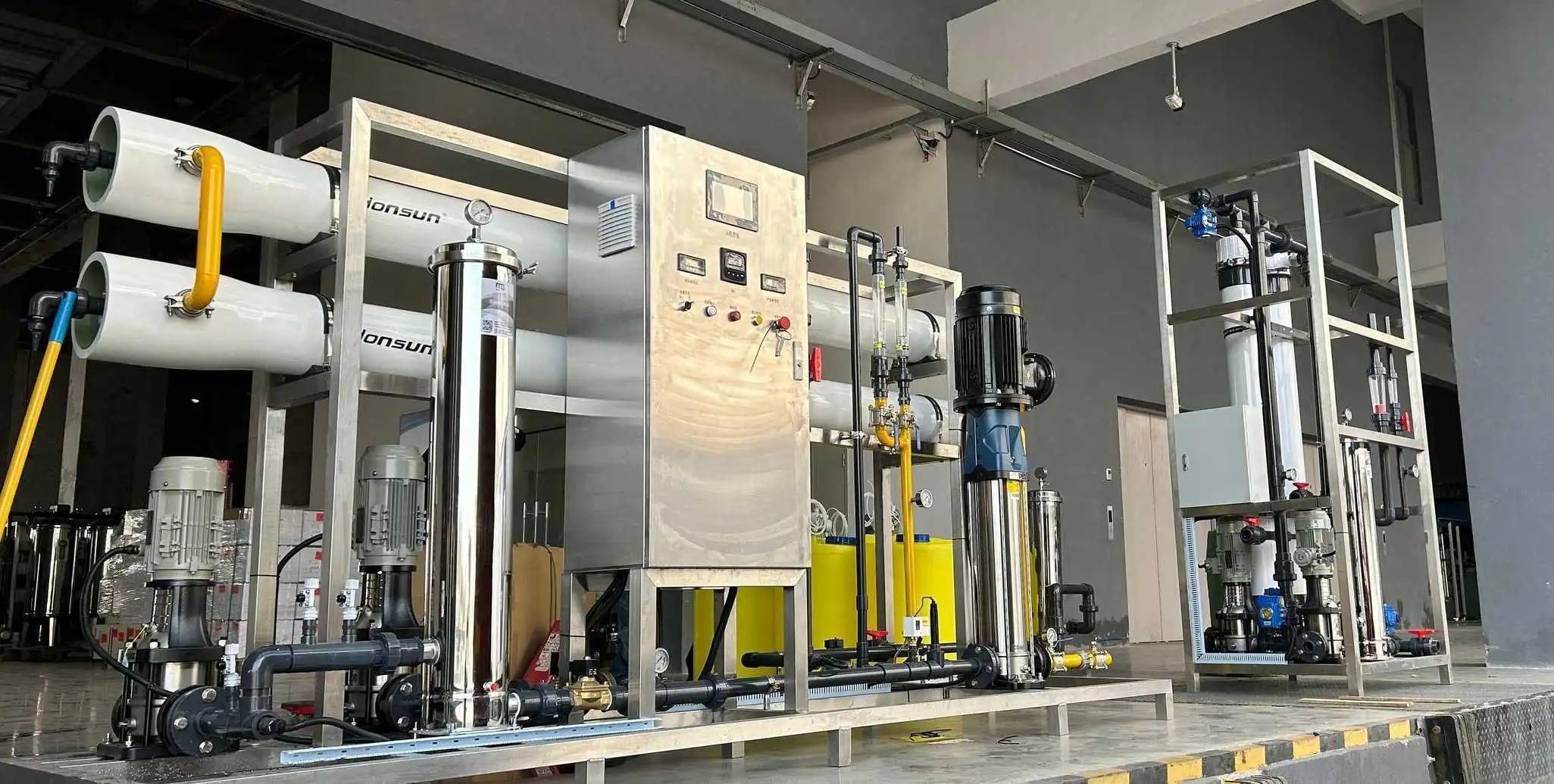
This represents the salts and minerals dissolved in the water that you cannot see. Even if the water looks clear, high TDS prevents it from being reused for boilers or cooling towers. We need this number to decide if you need Reverse Osmosis (RO) technology.
- pH Level
Is your water acidic or basic? Food fermentation often creates acidic water, while cleaning processes use strong alkaline soaps. We need to know the pH to select the right materials for the pipes and tanks so they do not corrode.
- Oil and Grease
For food processing, this is vital. Animal fats or vegetable oils can ruin water treatment membranes instantly. We must know the concentration of oil to install an oil separator before the main system.
Raw Water vs. Treated Effluent
Another major point you must clarify is the current state of the water. Are you giving us data for the water coming straight out of the factory (Raw Wastewater), or water that has already passed through a biological treatment plant (Treated Effluent/Middle Water)?
If you want a reuse system, we are usually treating “Middle Water” to make it high quality again. Below is a table showing why this distinction matters for your wallet.
| Data Source |
Typical Characteristics |
Impact on Design |
| Raw Wastewater |
Very high COD, solids, and oils. |
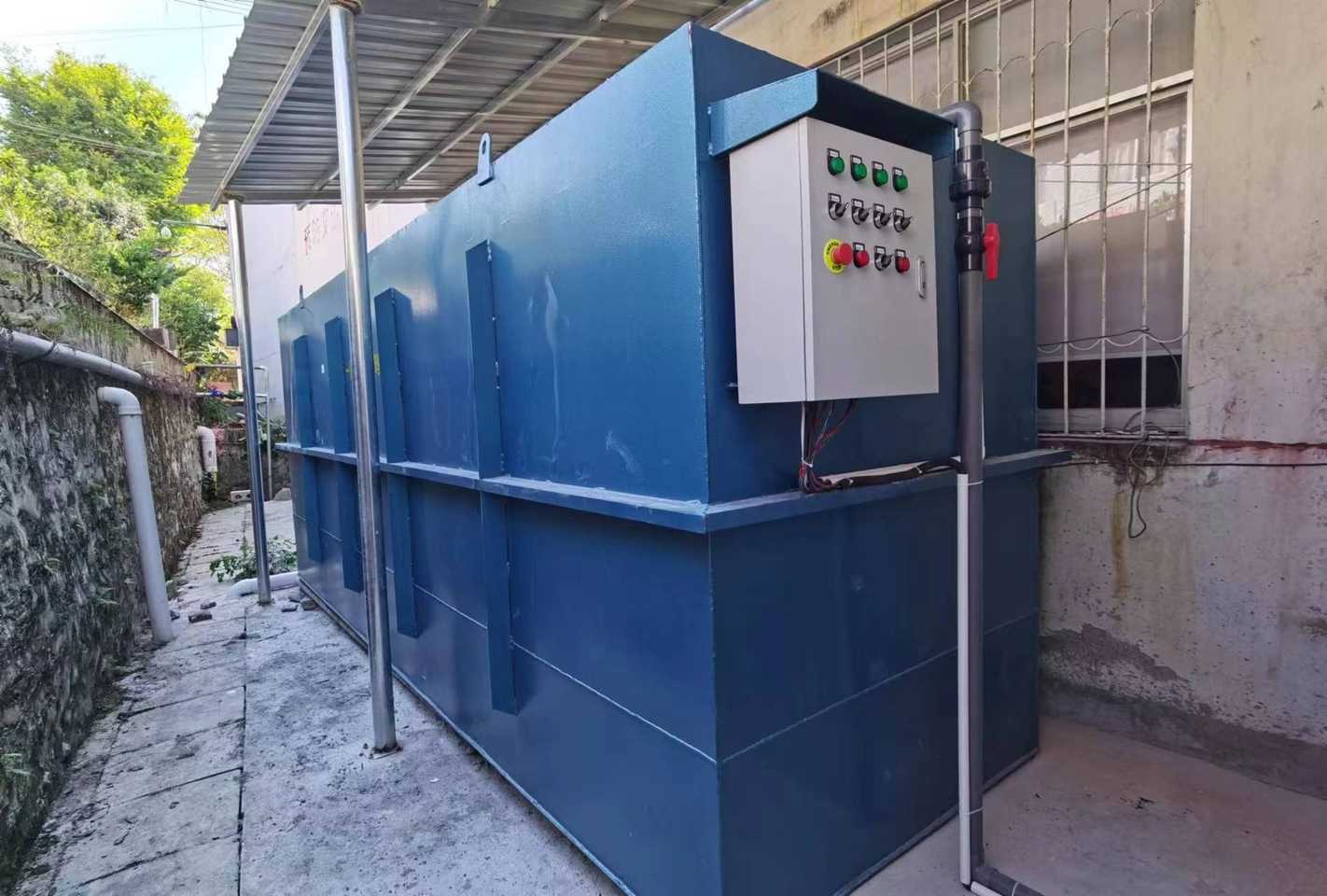
Requires heavy biological treatment and huge tanks. Most expensive to build. |
| Treated Effluent |
Lower COD, fewer solids, clearer appearance. |
Requires “polishing” equipment like Ultrafiltration or RO. Cheaper to build. |
| صنبور الماء |
Clean, low TDS. |
Used as a baseline to understand what your factory puts into the water. |
If you provide the wrong data source, the design will be completely wrong. Always label your samples clearly.