What mistakes should I avoid when selecting a wastewater treatment solution for my facility?
I hate seeing good money wasted on bad equipment. I have seen “الفولاذ المقاوم للصدأ” tanks rust in six months because the quality was low. I want to tell you how to spot these traps.
Avoid buying the cheapest system. Low-cost machines often use thin metal that rusts quickly. Also, do not buy a system that is too complex for your staff. Look for “one-click” automation so you don’t need an engineer on-site.
The Trap of the Lowest Price
It is tempting to pick the lowest quote. But in water treatment, you get what you pay for. Cheap systems often use low-grade pumps or thin plastic. In a hospital, you cannot afford for the machine to break. If it stops, the toilets might back up or dirty water might flood the yard. This is a medical emergency.
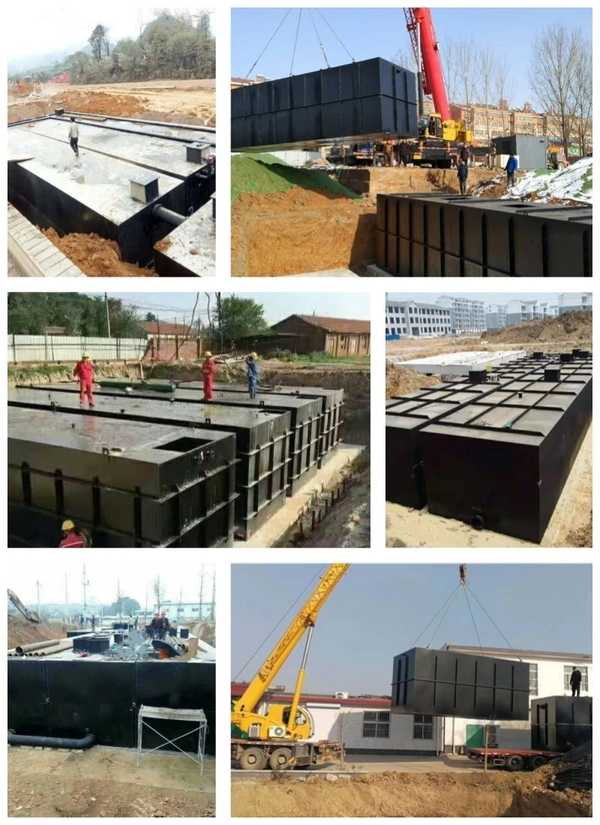
I always use high-grade SUS304 stainless steel or thick carbon steel with special coatings. This resists the harsh chemicals in hospital waste. It might cost a bit more today, but it saves you from buying a new machine in two years. I call this “buying it right the first time.”
Table 3: Common Pitfalls vs. Best Practices
| Common Pitfall |
النتيجة |
The Best Practice |
| Buying on price alone |
Rusted tanks and broken pumps |
Focus on “التكلفة الإجمالية للملكية” over 10 years. |
| Ignoring operator skill |
Machine breaks due to wrong use |
Choose a system with a simple PLC “Auto” mode. |
| No local support |
System stays broken for weeks |
Choose a supplier with a clear remote support plan. |
| Cheap materials |
Chemical leaks and bad smells |
Demand SUS304 stainless steel or heavy-duty coatings. |
| Forgetting sludge |
The system gets clogged up |
Plan for a sludge drying bed or professional removal. |
Complexity is Your Enemy
Many engineers love complex machines with a thousand buttons. But Dr. Samuel, I know your hospital staff are busy with patients. They are not water experts. If a machine is too hard to use, the staff will stop using it. Or they will push the wrong button and break it.
I always design my systems with “Plug and Play” logic. We build the system inside a container or on a steel skid in China. We test everything. Then we ship it to you. When it arrives, your plumber just connects the “في” pipe and the “Out” pipe. We use a simple touch-screen. If something goes wrong, an alarm sounds and tells you exactly what to do. This simplicity is the key to a successful hospital project.
Why the Supplier Matters
Lastly, think about where the machine comes from. Many companies “say” they know medical waste, but they only know simple sewage. Medical waste has antibiotics that kill normal bacteria. If the supplier doesn’t know how to handle this, the system will fail.
Check their history. Have they exported to Africa or the Middle East before? Do they understand your climate? At ROAGUA, we focus on international exports. We know how to pack a container so nothing breaks during the long sea voyage. We also offer WhatsApp support so you can talk to us anytime. This relationship is more important than the price tag.