14 janvier 2026     Posté par :

High water bills and strict discharge regulations are draining your profits every day. I know how frustrating it feels to watch money literally flow away with your wastewater, while investing in a solution still feels like a major risk.

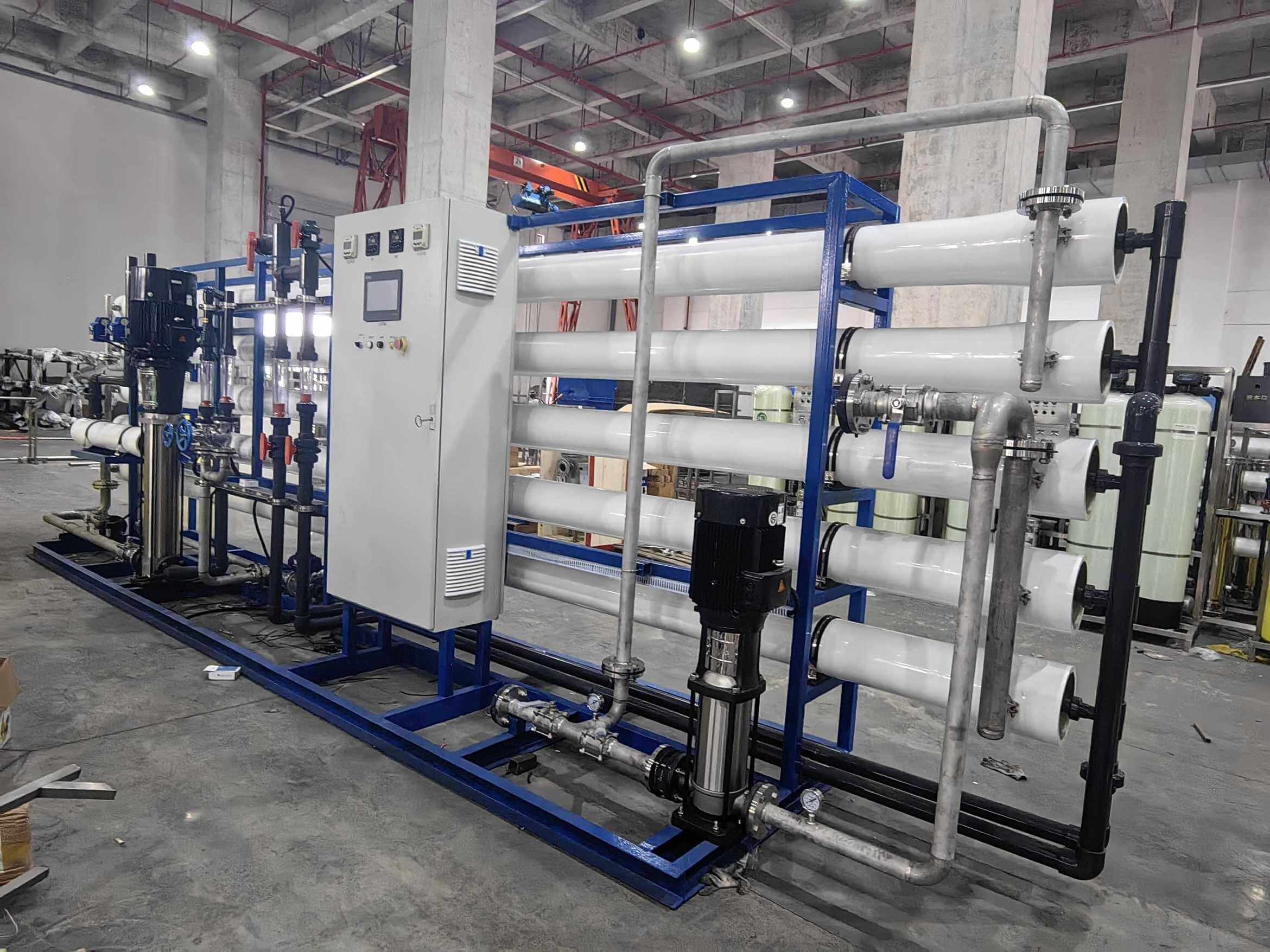
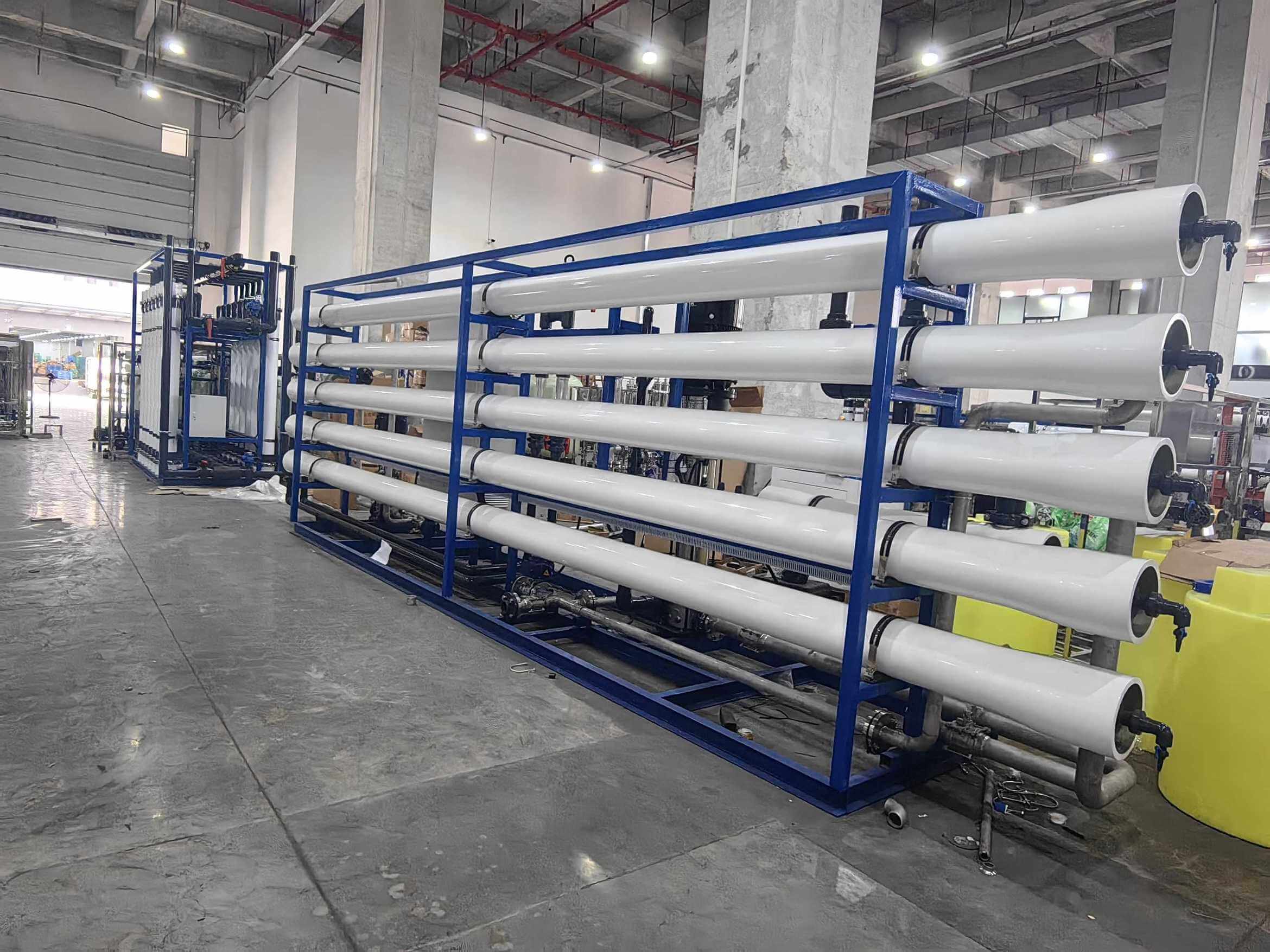
Importing industrial water reuse solutions from China is often highly cost-effective due to mature supply chains and large-scale manufacturing. Compared with Western brands, these systems typically cost 20–40% less. Even after considering 2025 tariffs, the total savings on equipment investment and long-term operation remain very attractive.

My goal is to help you understand the real costs and benefits, so you can make a smart, low-risk decision for your factory. Let’s look at how you can reduce water costs without sacrificing reliability or performance.

What Factors Affect the True Cost-Effectiveness of Industrial Water Reuse Solutions?

Saving money sounds great, but hidden costs can quickly destroy your budget. I’ve seen many factory owners focus only on the purchase price, only to regret it later when the system becomes expensive to operate or unreliable.

The real cost-effectiveness of industrial water reuse solutions depends on the Total Cost of Ownership (TCO). This includes the initial equipment price, energy consumption, maintenance costs, and the impact of 2025 trade tariffs. A high-quality Chinese system strikes the right balance between low upfront cost and long-term efficiency, delivering a strong return on investment.

Understanding the Initial Price Advantage

China has built one of the world’s most complete manufacturing ecosystems for water treatment equipment. Most core components—pumps, valves, membranes, control panels—are produced within the same industrial zones.

From my experience at ROAGUA, this integrated supply chain dramatically reduces component transportation and coordination costs. These savings are passed directly to customers. For a food or beverage factory owner like John, this often means securing a complete RO or MBR-based industrial water reuse solution at a fraction of the price of comparable European systems.

Lifecycle Costs and Energy Consumption

Cost-effectiveness doesn’t end on the day you install the system. It’s about performance over the next 5–10 years.

By 2025, many Chinese industrial water reuse solutions have adopted smart monitoring and PLC automation. Flow sensors and variable-frequency drives automatically adjust power consumption based on real wastewater volume. If your factory runs at lower capacity on certain days, the system slows down accordingly—saving energy and reducing wear.

Typical Operational Cost Comparison

Élément de coût Centralized Local System Modular Chinese Industrial Water Reuse Solution
Purchase Price $150,000 – $200,000 $80,000 – $120,000
Energy Cost (per m³) $0.60 $0.45
Annual Maintenance $15,000 $8,000
Estimated Lifespan 15 years 12–15 years

The Impact of 2025 Trade Policies

Trade policies matter, and we shouldn’t ignore them. In 2025, some regions have introduced tariffs on industrial equipment imported from China. Even with a 25% tariff, the base price advantage often means the final landed cost remains 15–20% lower than local alternatives.

When evaluating industrial water reuse solutions, always calculate the landed cost—including equipment price, shipping, duties, and installation. Many of my clients discover that faster production and delivery from China allow them to start reusing water months earlier. Those early savings on water and discharge fees often offset tariffs entirely.

How Do Chinese Industrial Water Reuse Solutions Compare with Other Markets?

Choosing between a well-known Western brand and a Chinese supplier can feel risky. Many clients ask me the same question: “Does lower price mean lower quality?”

Today, Chinese industrial water reuse solutions are globally competitive. Advances in membrane technology, automation, and materials mean performance now meets—or exceeds—international standards. Lower pricing is mainly driven by scale, domestic production, and government-backed industrial development.

Quality Standards and Certifications

High-end Chinese manufacturers no longer compete on price alone. Reputable suppliers, including ROAGUA, follow international standards such as CE, ISO, and food-grade material requirements.

We commonly use SUS304 or SUS316 stainless steel, the same materials specified by American and European brands. When it comes to membranes—the core of any industrial water reuse solution—China now produces large volumes of high-quality UF, RO, and MBR membranes, many of which are exported globally.

Global Pricing Comparison

China’s biggest advantage is its one-stop supply chain. Frames, pressure vessels, membranes, and PLC systems can often be sourced within the same city, drastically shortening lead times.

In contrast, manufacturers in India or South Korea often import key components from Japan, Europe, or the US, increasing both cost and delivery time.

Performance Comparison

Fonctionnalité Chinese Industrial Water Reuse Solution Indian / SE Asian System Western Premium System
Membrane Quality High (Domestic / Imported) Moyen High
Lead Time 4–6 weeks 8–10 weeks 12–20 weeks
Customization Very High Moyen Faible
Price Index 100% (Baseline) 115% 180%–250%

Why the Cost Gap Exists

The key reason is scale. China set aggressive national goals to increase water reuse rates, creating massive domestic demand. When manufacturers produce thousands of industrial water reuse solutions annually instead of hundreds, the unit cost drops sharply.

As a buyer in Africa or South America, you benefit directly from this scale: proven designs, lower prices, and equipment already tested in thousands of real-world applications.

What Import Duties and Logistics Costs Should You Consider?

Unexpected fees and shipping delays can quickly turn a good deal into a stressful experience. I’ve worked with many customers who were worried about paperwork and surprise port charges.

In 2025, import duties for industrial water reuse solutions typically range from 15% to 30%, depending on the destination. Even so, the total cost usually remains far below that of European or American suppliers.

2025 Duty Overview by Region

Region Average Duty (2025) Shipping Time Notes
Afrique 5% – 10% 30–45 days Favorable trade terms
Southeast Asia 0% – 5% 7–14 days Very low logistics cost
Amérique du Sud 10% – 20% 40–50 days Documentation critical
USA / Europe 25% – 30% 25–35 days Higher industrial tariffs

Managing Logistics and Hidden Costs

Shipping an industrial water reuse solution involves containers, insurance, port handling, and inland transport. Understanding Incoterms is critical.

  • FOB: Supplier handles production and export
  • DDP: Supplier manages shipping and duties for a turnkey experience
  • At ROAGUA, we provide full packing lists, weights, and drawings so clients can get accurate logistics quotes upfront—avoiding unpleasant surprises at the port.

How Can You Ensure Reliable After-Sales Support?

A system failure can shut down production and cost thousands per day. Distance can feel risky—but only if after-sales support is weak.

Reliable suppliers of industrial water reuse solutions offer real-time communication, clear service plans, and readily available spare parts. At ROAGUA, we provide WhatsApp and video support, detailed testing reports, and are developing service partnerships in Africa.

Best Practices for Buyers

Always request pre-shipment testing videos

  • Purchase a 1–2 year spare parts kit with the system
  • Confirm global component brands (e.g. Schneider, Siemens, Grundfos)
  • Ask about warranty response time and remote support procedures

Importing industrial water reuse solutions from China can significantly reduce both capital and operating costs. By focusing on total cost of ownership and working with a reliable supplier, many factories achieve 20–40% savings while meeting environmental regulations and sustainability goals.

Would you like me to prepare a customized industrial water reuse solution, including a technical drawing and cost breakdown, based on your factory’s water quality and flow requirements?